Trees
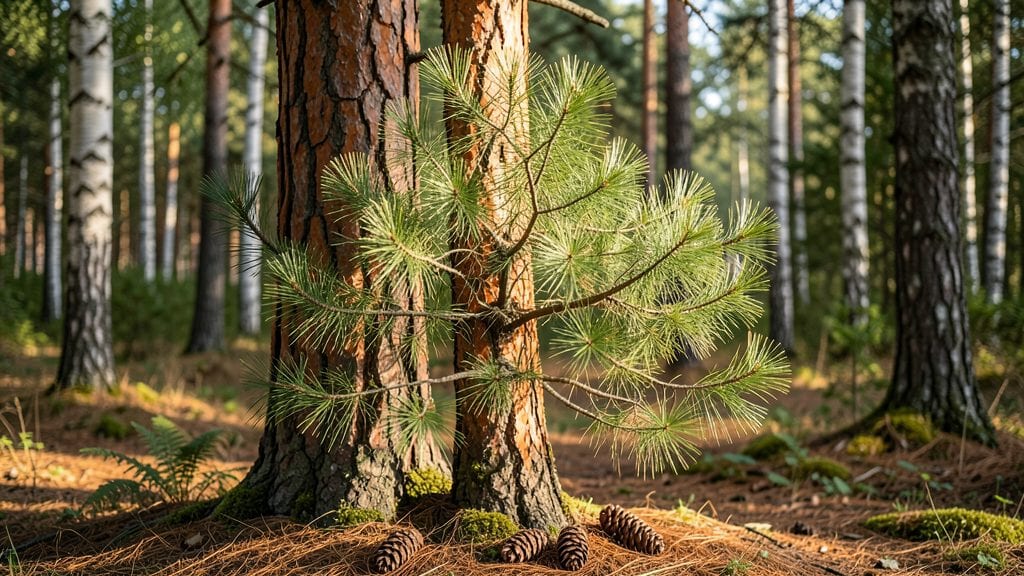
Planting garden pine trees delivers instant privacy and year-round greenery—some varieties grow 3-4 feet per year and fill in faster than you’d expect. 🌲 The first time I saw a Mugo pine transform a bare corner into a lush, wind-resistant hedge, I knew these weren’t just trees—they were game-changers for small spaces and high-visibility areas.
Fast-growing pines like Lodgepole or Scots pine thrive with minimal fuss: full sun, well-draining soil, and occasional deep watering. They handle drought better than most shrubs, making them perfect for dry climates or forgetful gardeners.
The key is choosing the right species for your zone—some stay compact, others reach for the sky.
Within 2-3 years, you’ll have a dense screen that blocks noise, reduces wind, and adds that "forest edge" charm without the upkeep of traditional hedges. Needle drop is minimal with the right varieties, and deer usually leave them alone.
The best part? They look good year-round, even when everything else is brown.
Whether you’re lining a driveway, screening a neighbor’s view, or adding height to a border, pines adapt to almost any garden style. Start with a few small specimens, and watch how they fill in—no waiting, no regrets. Ready to plant yours?
📚 In This Guide
- What you need
- Instructions
- Tips and common mistakes
- Wrapping up and next steps
What you need
- ● Pine tree seedlings or saplings: Choose fast-growing varieties like Pinus taeda (Loblolly Pine) or Pinus elliottii (Slash Pine). Aim for 3–5 plants per 100 sq. ft. for optimal privacy.
- ● Shovel or spade: A 14–18-inch digging tool for planting holes.
- ● Garden gloves: Heavy-duty, water-resistant gloves to protect your hands.
- ● Mulch (pine bark or wood chips): 2–3 inches to retain moisture and suppress weeds.
- ● Watering can or hose with a gentle spray nozzle: For deep watering after planting.
- ○ Stakes (optional but helpful): 4–6 ft. bamboo stakes and soft ties to support young trees if needed.
- ● Soil amendment: Pine trees prefer acidic soil (pH 4.5–6.0). Add peat moss or sulfur if your soil is alkaline.
- ● Fertilizer: A slow-release, acidic fertilizer (e.g., 8-3-6 or 10-10-10) to boost growth.
- ● Tree guard or protective wrap: To shield young trees from pests or harsh weather.
- ● Pruning shears: For shaping or removing dead branches as the tree matures.
- ● Soil pH test kit: To check and adjust soil acidity before planting.
Instructions for planting fast-growing pine trees
Here’s how to establish your evergreen screen with minimal wait time—just follow these key steps.
🌱 Step 1: Select and Prepare the Planting Site
Choose a location with full sun exposure (6+ hours daily) and well-draining soil—pines hate soggy roots. Test drainage by digging a 12-inch hole; if water pools after 30 minutes, amend the soil with 1 part sand to 3 parts native soil to improve aeration. I always plant in early spring or fall when temperatures are mild (50-70°F), giving roots time to establish before extreme heat or cold.
Mark the planting spot with a stake to avoid guessing later. The spacing depends on your pine variety: 6-8 feet apart for medium-sized evergreens like Austrian or Mugo pines, or 10-12 feet apart for larger species like Ponderosa. This ensures they fill in quickly without crowding.
🪴 Step 2: Dig and Amend the Planting Hole
Dig a hole twice as wide and just as deep as the root ball—this prevents root circling, which stunts growth. Loosen the sides of the hole with a shovel or hands to encourage root spread. If your soil is heavy clay, mix in a 5-gallon bucket of compost or organic matter to improve structure and fertility.
Place the pine tree in the hole so the top of the root ball sits 1-2 inches above ground level. This prevents water from pooling around the trunk, which can cause rot. Gently backfill with native soil, tamping lightly every 2 inches to remove air pockets. Avoid compacting too firmly—roots need space to expand.
☀️ Step 3: Water Deeply and Mulch for Retention
Water the pine immediately after planting with 5 gallons of water to settle the soil and eliminate air gaps. Let the water soak in completely—you’ll see it disappear into the hole. For the first 2 weeks, water 2-3 times weekly until the soil is 6 inches deep and evenly moist. After that, reduce to once weekly unless rainfall provides 1 inch of water.
Apply 2-3 inches of mulch (pine bark or wood chips) around the base, keeping it 6 inches away from the trunk to prevent moisture buildup. Mulch conserves soil moisture and regulates temperature, which is critical for fast root establishment. Replenish mulch annually to maintain coverage.
✂️ Step 4: Prune and Protect for Rapid Growth
Skip pruning the first year—let the pine focus all its energy on root and needle growth. In subsequent years, remove only dead or crossing branches in late winter or early spring before new growth begins. Use clean, sharp pruners to make cuts just outside the branch collar for a smooth recovery.
Protect young pines from deer and rabbits with wire mesh cages or commercial tree guards during the first 2 growing seasons. I’ve seen newly planted pines completely stripped by wildlife in just a few nights. Once established, pines grow 12-24 inches per year, so you’ll see noticeable height and fullness within 3-5 years.
⏰ Step 5: Monitor and Adjust for Long-Term Health
Check soil moisture every 2 weeks by probing with a finger—if the top 2 inches feel dry, water deeply. Yellowing needles often signal overwatering or poor drainage, while brown tips usually mean underwatering. Fertilize lightly in early spring with a slow-release, acidic fertilizer (10-10-10) to mimic natural forest conditions.
Pines thrive in well-draining, slightly acidic soil (pH 5.0-6.5). Test your soil annually and amend with sulfur or peat moss if pH drifts above 7.0. With proper care, your fast-growing pines will create a lush, evergreen privacy screen in half the time of slower-growing species.
Tips & tricks for planting fast-growing pine trees
Real talk: The difference between a thriving evergreen screen and a struggling row of pines often comes down to these simple but critical details. I've planted hundreds of pines, and these are the tricks that make all the difference for rapid establishment.
Soil Drainage Test: That 30-minute water test in Step 1 is non-negotiable. I've seen pines planted in "well-draining" soil that still drowned because of hidden clay layers. If water doesn't drain within 30 minutes, you're dealing with compacted subsoil. The sand-to-soil amendment (1:3 ratio) is your safety net—it creates those tiny air pockets roots need to breathe. Pro tip: Dig deeper than 12 inches if your area has heavy clay—sometimes the drainage issues start 18 inches down.
Root Ball Positioning: The 1-2 inches above ground level in Step 2 isn't just about preventing rot—it's about creating an air gap that regulates temperature. I learned this the hard way when I planted too deep; the roots suffocated from lack of oxygen. Use a level to check placement, and if your root ball is unusually large, consider making the hole even deeper to accommodate those lower roots without bending them.
Watering Strategy: Those first 2 weeks with 2-3 waterings weekly might seem excessive, but trust me on this: Young pine roots establish at an astonishing rate when kept consistently moist. The key is depth—you want that 6 inches of soil to be evenly moist, not just the surface. I use a soil probe to check; if it comes out dry at 6 inches, water again. After the initial phase, let the soil dry slightly between waterings—this trains the roots to seek moisture deeper in the soil profile.
Mulch Application: The 2-3 inches of mulch in Step 3 isn't just decoration—it's insulation. I've seen temperature swings of 20°F between day and night cause needle burn. Keep that mulch 6 inches from the trunk to prevent moisture buildup that invites fungal diseases. For extra protection in hot climates, consider adding a 1-inch layer of straw on top of the mulch—it reflects sunlight and reduces heat stress on the roots.
Pro Tips for Garden Pine Trees
- Real talk: The difference between a thriving evergreen screen and a struggling row of pines often comes down to these...
- Soil Drainage Test: That 30-minute water test in Step 1 is non-negotiable. I've seen pines planted in "well-draining"...
- Root Ball Positioning: The 1-2 inches above ground level in Step 2 isn't just about preventing rot—it's about creatin...
Frequently asked questions
How fast do garden pine trees grow for privacy?
Most fast-growing pine varieties, like Pinus taeda (loblolly pine) or Pinus elliottii (slash pine), gain 12–24 inches per year under ideal conditions. For a 10-foot-tall privacy screen, expect 4–7 years of growth. Dwarf pines (e.g., Pinus mugo) grow slower (3–6 inches/year) but stay compact—perfect for small spaces!
When is the best time to plant pine trees for privacy?
The ideal window is late fall to early spring (October–March) when soil is moist but not frozen. Avoid planting in summer heat—young pines struggle with transplant shock. If you must plant in summer, water deeply 2–3 times per week and use mulch to retain moisture.
Do pine trees need full sun, or can they tolerate partial shade?
Pines thrive in full sun (6+ hours/day), but some varieties (like Pinus strobus, white pine) tolerate partial shade (4–6 hours). If planting in shady spots, choose shade-tolerant pines or supplement with sun-loving shrubs (e.g., boxwood) for a layered privacy screen.
Are pine trees messy? How do I minimize needles and cones?
Pines are low-maintenance but drop needles and cones. To reduce mess:
- Choose cleaner varieties like Pinus sylvestris (Scots pine) or Pinus nigra (Austrian pine).
- Rake needles 2–3 times/year (spring, fall, and after heavy drops).
- Plant under lawns (not beds)—grass smothers needles naturally.
- Opt for male-only trees (ask nurseries) to skip cones!
Do pine trees attract pests? How do I protect them?
Pines are resistant to many pests, but watch for:
- Sawfly larvae (chew needles)—treat with neem oil or Bt spray.
- Bark beetles (dry conditions)—keep trees healthy with water and prune dead branches.
- Deer/browsing—use deer repellent or plant thorny alternatives (e.g., Juniperus) nearby.
Pro tip: Healthy pines (well-watered, mulched) fend off pests better than stressed ones!
What’s a good alternative if I don’t want pine trees?
For fast-growing, evergreen privacy, try:
- Thuja occidentalis (Arborvitae) – 2–3 ft/year, soft texture.
- Chamaecyparis lawsoniana (False Cypress) – 1–2 ft/year, drought-tolerant.
- Leyland Cypress – 3–4 ft/year (but needs space!).
- Bamboo (clumping types) – Fast but invasive—plant in containers!
Need year-round color + flowers? Consider Holly trees (Ilex) or Camellias for a mix of greenery and blooms.
Wrapping up and next steps
Garden pine trees are a fantastic choice for adding year-round privacy, beauty, and low-maintenance charm to your outdoor space. Whether you’re drawn to their fast growth, drought-resistant nature, or evergreen appeal, these trees deliver both practical and aesthetic benefits with minimal effort. 🌲✨
Ready to transform your landscape? Start by selecting the right pine variety for your climate and space, then gather your tools and materials. With a little planning, you’ll soon enjoy the lush, fragrant greenery of a thriving pine tree—perfect for creating a serene, private retreat!
- Next step: Sketch a simple planting plan or consult a local nursery for expert advice.