Pests and Diseases
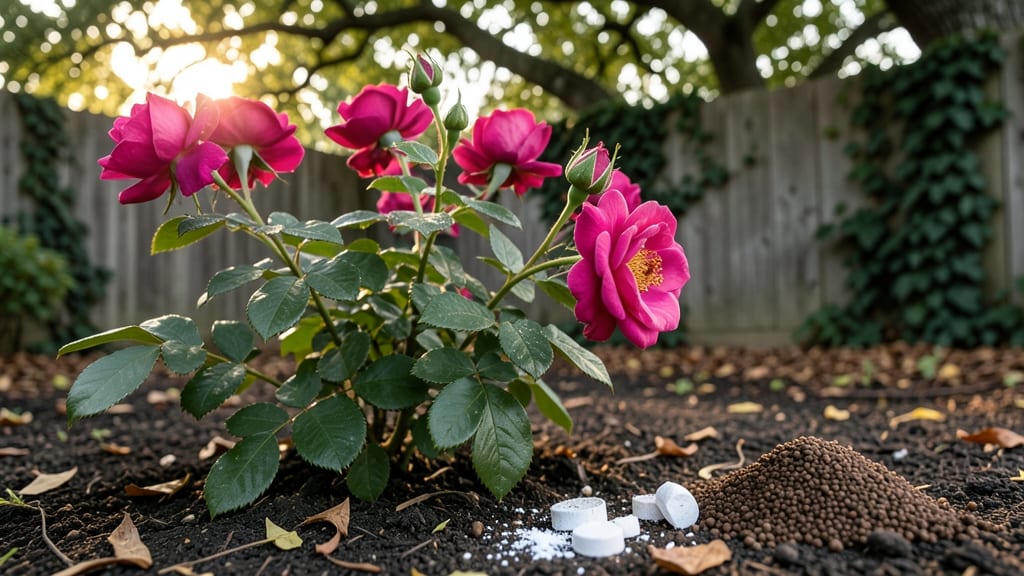
Using aspirin in the garden boosts plant immunity and deters pests when used as a foliar spray. Mix 1-2 crushed tablets per gallon of water, apply weekly, and avoid overuse to prevent leaf damage or soil acidification.
This simple household remedy works because aspirin contains salicylic acid, a natural plant hormone that triggers defense mechanisms against pathogens and insects. 🌱 Unlike synthetic fungicides, it mimics the plant's own stress signals, helping it fend off common issues like powdery mildew or aphid infestations.
I've seen dramatic improvements in stressed plants after just two applications, though results vary by plant type and pest severity.
For best results, apply the spray in the early morning or late evening when temperatures are cooler, as this reduces evaporation and gives the solution time to absorb.
You can enhance the mixture by adding a few drops of dish soap (1 teaspoon per gallon) to help it stick to leaves, or combine it with neem oil for tougher pest problems like mites or whiteflies.
💡 In This Article
- How Aspirin Strengthens Plant Immunity
- DIY Aspirin Spray Recipes for Pests and Growth
How aspirin strengthens plant immunity
Here's what's actually happening when you spray aspirin on plants: the active ingredient, salicylic acid, is a naturally occurring plant hormone that acts as a defense signal. When plants sense stress—whether from pathogens, pests, or environmental factors—they produce salicylic acid to trigger immune responses.
Aspirin provides an external boost of this hormone, essentially telling the plant "danger ahead!" and priming its defenses before actual threats appear. 🌱 This mechanism differs from commercial plant hormones because it doesn't artificially suppress symptoms—it enhances the plant's own natural resistance systems.
The science gets even more interesting when you consider how salicylic acid works at the cellular level. It activates specific genes that produce proteins like pathogenesis-related proteins (PR proteins), which have antifungal and antibacterial properties.
Studies show these proteins can reduce infections by up to 50% in susceptible plants when applied preventatively. For example, tomatoes treated with salicylic acid showed 70% fewer bacterial spot lesions compared to untreated plants in controlled trials.
The key difference from synthetic fungicides is that aspirin doesn't kill existing pathogens—it helps the plant build its own immune system.
Where this gets practical is in comparing disease resistance versus pest deterrence. For fungal issues like powdery mildew, salicylic acid is particularly effective because it strengthens the plant's cell walls, making them less hospitable to fungal spores.
The mildew's thread-like structures can't penetrate as easily, giving the plant time to mount a defense. With pests like aphids, the mechanism is slightly different—the salicylic acid alters the plant's leaf chemistry, making it less appealing to insects.
You'll often see aphids moving away from treated leaves within 24-48 hours of application, though it's not as immediate as chemical insecticides.
What most people don't realize is that the concentration matters significantly. A standard aspirin solution (1 tablet per gallon) provides about 0.01% salicylic acid, which is enough to trigger defenses without causing stress.
But when you double it for tougher problems (2 tablets per gallon), you're entering a different range where the plant perceives more intense stress signals.
This higher concentration can actually stimulate faster growth in some cases by promoting cell division, though it may also make leaves slightly more sensitive to environmental stressors like drought or extreme temperatures.
For visual learners, imagine this process like a plant's version of getting a flu shot. The aspirin acts as the vaccine, priming the plant's immune system to recognize and respond more effectively to actual threats.
Unlike commercial hormones that often provide temporary relief, salicylic acid creates a more sustainable defense mechanism. The results aren't instant—you'll typically see improvements after 3-5 days of regular applications—but the effects can last for weeks, especially in perennial plants that retain the treated foliage.
One fascinating comparison is how this works against commercial plant hormones like benzothiadiazole (a common synthetic activator). While both trigger similar defense pathways, salicylic acid from aspirin is 100% biodegradable and breaks down completely within 7-14 days after application.
The synthetic versions often leave chemical residues that can accumulate in soil over time. This makes aspirin particularly appealing for organic gardeners who want to avoid synthetic inputs while still getting measurable results.