Watering
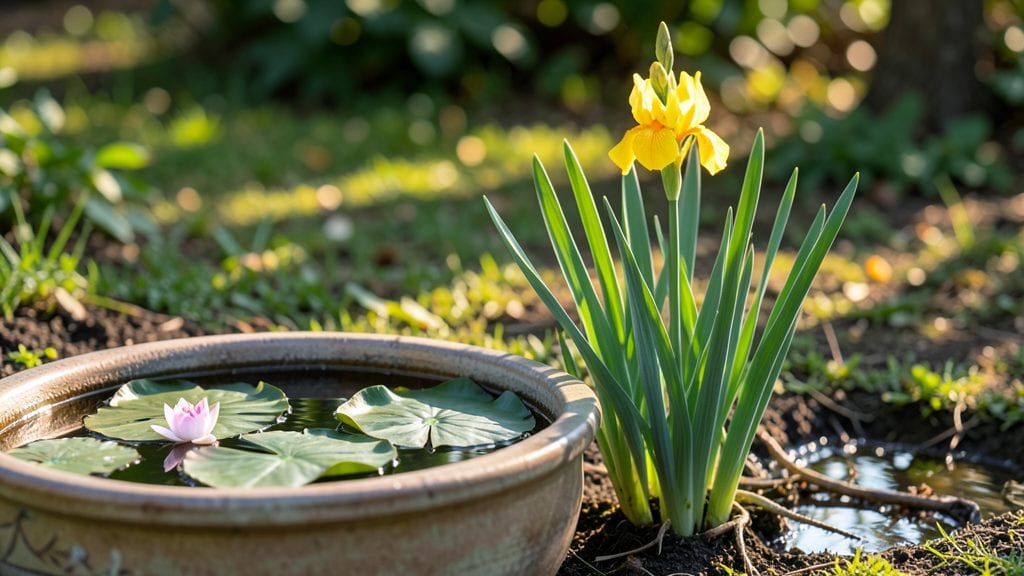
A small water garden transforms even a tiny backyard into a serene escape with just a few containers and the right plants. 🌿 I’ve designed my own using a half-barrel and a shallow tray—no digging required—and it’s become the quietest corner of my yard, humming with frogs and reflecting sunlight.
The key is choosing plants that thrive with minimal attention: water lilies, papyrus, and floating heart all handle neglect better than most annuals.
You’ll need a container with at least 6 inches of depth for roots, a small pump (or no pump at all for still water), and plants that tolerate moisture. My setup uses a preformed liner for the barrel and a waterproof tray for the tray garden—both cost under $50 total.
The best part? These plants clean themselves, filtering algae naturally and requiring only occasional top-ups when the sun evaporates water.
Imagine stepping into a space where the air smells like mint and the only sound is the occasional splash of a fish. Within weeks, your water garden will fill with lush foliage that stays vibrant all summer, even if you forget to check it for a few days.
The stillness of water makes it the perfect spot for morning coffee or evening reflection—no weeding, no deadheading, just pure tranquility.
Works in balconies, patios, or even indoors near a sunny window. Start small with one container and expand as you fall in love with the sound of water. The hardest part? Deciding which plants to add first—there’s no wrong choice when everything thrives with almost no effort.
📚 In This Guide
- What you need
- Instructions
- Tips and common mistakes
- Wrapping up and next steps
What you need
- ● Container: A waterproof basin, trough, or preformed pond liner (4–10 gallons, depending on size). Tip: Choose one with a built-in overflow for easy drainage!
- ● Water: Dechlorinated water (use a water conditioner or let tap water sit for 24 hours). 2–5 gallons (adjust based on container size).
- ● Zero-maintenance foliage: Water hyacinth (1–3 plants)
- ● Water lettuce (2–4 plants)
- ● Dwarf papyrus (1–2 plants)
- ● Frogbit (small handful)
- ● Substrate: Gravel or small pebbles (1–2 lbs) for drainage and root support.
- ○ Fertilizer (optional): Slow-release aquatic plant tabs (1–2 tablets) for nutrient boost.
- ● Garden trowel or small shovel
- ● Gloves (to keep hands clean)
- ● Small net or skimmer (for debris removal)
- ○ Water pump (optional) for circulation and aeration
- ○ Solar fountain (optional) for added ambiance
- ● Sunlight: 4–6 hours of direct or indirect light daily (partial shade works too!).
- ● Location: A stable, level surface (avoid direct wind exposure).
- ● Access to water: Nearby hose or water source for refills.
Step-by-Step instructions for building a small water garden
Here's how to create a serene, low-maintenance water feature that thrives with native plants.
🪴 Step 1: Choose and Prepare Your Container
Select a container that's at least 12 inches deep—shallow water encourages algae while deeper water supports oxygenating plants. I like preformed fiberglass or plastic ponds because they hold shape and resist cracking. Line the bottom with 1-2 inches of underlayment fabric to prevent soil from washing out and clogging the drainage.
For a 4-foot diameter pond (the size we're building), use a container with at least 30 gallons capacity. Place it on level ground—uneven surfaces will cause water to pool in one area, creating stagnant spots. If your ground isn't perfectly flat, use sand or gravel to create a level base before adding the container.
💧 Step 2: Layer Soil and Add Plants
Fill the bottom 3 inches with aquatic plant soil—this specialized mix stays moist without compacting. It's heavier than regular potting mix, so work in 5-gallon batches to avoid spills. Press it down gently with your hands until it's firm but not packed tight.
Add your zero-maintenance foliage plants first—they'll anchor the soil and provide shade for fish (if you add them later). Place marginal plants like sweet flag or cattails along the edges where their roots will stay damp but not submerged. For floating plants like water hyacinth, skip the soil entirely and let them drift freely on the surface.
☀️ Step 3: Fill with Water and Add Aeration
Fill the pond slowly to avoid disturbing the soil or plants. Use a garden hose with a diffuser to create gentle streams that settle debris at the edges. Stop when the water reaches 6 inches deep—this depth supports oxygenating plants while keeping mosquitoes at bay. Test the water temperature with your hand; it should feel cool but not icy (around 65-75°F).
Add a small air pump with a fine-bubble diffuser stone to keep water oxygenated. Place the stone near the deepest point so bubbles circulate throughout. You'll see tiny bubbles rising continuously—that's your sign the system is working. Run the pump 24/7 during warm months to prevent stagnation.
✂️ Step 4: Maintain Balance and Enjoy
Check water levels weekly—evaporation will reduce depth over time. Top off with dechlorinated water (let tap water sit for 24 hours or use a water conditioner) to avoid shocking plants. Remove any fallen leaves or debris immediately; they decompose quickly and cloud the water.
Prune plants once a month to control growth. Snip back any stems that grow too leggy or block sunlight from reaching lower leaves. This keeps your garden looking tidy while preventing overcrowding. With the right plants, you'll spend less than 10 minutes monthly on maintenance—just enjoying the sound of water and watching nature do its work.
Tips & tricks for perfect small water gardens
Building a tranquil water garden doesn't have to be complicated—these small adjustments make all the difference in creating a thriving, low-maintenance oasis.
The Container Foundation: When positioning your 4-foot diameter container, don't just eyeball the level—use a long board or straightedge to check for true flatness. Even a slight tilt will cause water to pool in one corner, creating stagnant areas that smell bad and attract mosquitoes. I've seen ponds that looked perfectly level until I tested them this way. Trust me, this 5-minute check prevents headaches later.
Soil Layering Secret: The 3-inch layer of aquatic plant soil in Step 2 needs to be firm but not packed like concrete. Think "slightly compressed sponge" when pressing it down. This balance lets roots establish while still allowing water to circulate. And here's what nobody tells you—if you're working in 5-gallon batches, let each layer settle for 2-3 minutes before adding the next. This prevents the soil from shifting when you add water later.
Water Temperature Wisdom: That 65-75°F range in Step 3 is perfect for most aquatic plants, but it's also the ideal temperature for fish if you add them later. If your tap water runs cooler (common in spring), let it sit in the sun for a few hours before filling the pond. I've seen beginners shock their plants by using ice-cold water straight from the hose—always test with your hand first.
Long-Term Maintenance Hack: The weekly water checks in Step 4 are non-negotiable, but here's how to make them easier: Keep a small bucket of dechlorinated water (prepared 24 hours ahead) near your garden. You'll always have it ready when you notice the water level dropping. For the monthly pruning, I use sharp scissors and snip just above a leaf node—this encourages bushier growth and keeps your plants looking their best with minimal effort.
Pro Tips for Small Water Garden
- Building a tranquil water garden doesn't have to be complicated—these small adjustments make all the difference in creating a thriving, low-maintenance oasis.
- The Container Foundation: When positioning your 4-foot diameter container, don't just eyeball the level—use a long board or straightedge to check for true flatness.
- Soil Layering Secret: The 3-inch layer of aquatic plant soil in Step 2 needs to be firm but not packed like concrete.
Frequently asked questions
Got questions about creating your own small water garden? You’re not alone! Here are answers to some of the most common queries to help you design a serene, low-maintenance oasis with confidence.
What are the best low-maintenance plants for a small water garden?
Opt for hardy aquatic plants like water hyacinth, water lettuce, or papyrus—they thrive in shallow water and deter algae naturally. For edges, try cattails or pickerelweed, which require minimal care and add texture. Pro tip: Avoid invasive species like water hyacinth if you’re in a regulated area—check local guidelines first!
How often should I water or top off a small water garden?
Most small water gardens need top-ups every 1–2 weeks due to evaporation, especially in hot climates. Rainwater is ideal, but tap water works too—just let it sit for 24 hours to dechlorinate. Troubleshooting: If water levels drop faster, add a small solar-powered fountain to improve circulation and reduce evaporation.
Will a small water garden attract pests like mosquitoes?
Not if designed right! Mosquitoes thrive in stagnant water, so keep your garden moving with a fountain, waterfall, or even a floating solar-powered pump. Add mosquito fish (like gambusia) or libellula dragonflies—they’re natural predators. Bonus: Plant citronella or lemongrass nearby for extra pest control!
Can I build a small water garden on a budget?
Start with a pre-formed liner or repurpose a large container (like a trough or half-barrel). Use gravel or rocks for drainage instead of expensive soil, and skip pricey pumps—opt for a DIY solar-powered fountain (just a small pump + PVC pipe!). Thrifty tip: Check local "free" sections for old sinks, birdbaths, or even bathtubs!
How do I winterize a small water garden?
Drain and store plants in containers if temps drop below 40°F (4°C), or cover them with floating row covers. For water features, follow these steps:
- Drain the system and remove pumps/fountains.
- Clean with a mild vinegar solution to prevent algae.
- Add a few koi or goldfish (if present) to a dechlorinated container or pond.
- Insulate with bubble wrap or straw for containers.
Skip the hassle by using hardy plants like water lilies or cattails—they often survive mild winters!
Wrapping up and next steps
A small water garden is your ticket to a serene, low-maintenance retreat—no green thumb required! 🌿 Whether you’re drawn to the soothing sounds of water, the beauty of hardy foliage, or the joy of wildlife visits, this tranquil oasis fits seamlessly into any space.
Start small, experiment with what thrives in your climate, and watch your garden evolve with minimal effort.
Ready to dive in? Sketch your design today—grab a notebook (or your phone!) and map out your dream water garden. Even a tiny container or repurposed tub can spark magic. Happy gardening! 💦✨