Planting
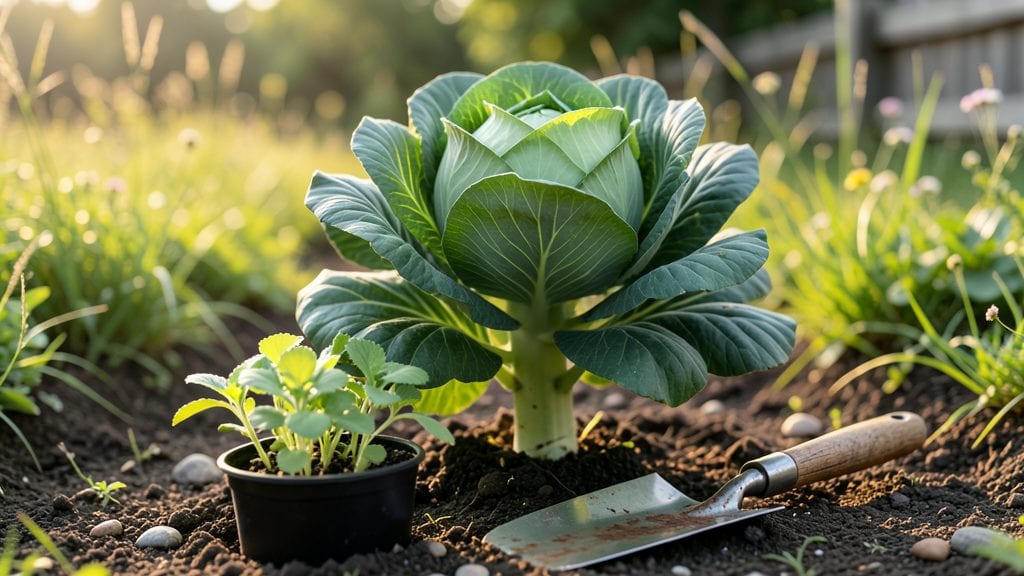
Proper cabbage garden spacing is the unsung hero of a bountiful harvest—skimp on it, and you’ll end up with stunted heads and a garden full of disappointment.
I’ve watched 🥬 plants bolt into flower because they were elbowing each other for space, or seen entire rows collapse under the weight of crowded heads. The right spacing isn’t just about fitting more plants—it’s about giving each one room to grow heavy, firm heads without inviting pests or disease.
In USDA Zone 6a, where spring and fall planting windows are tight, spacing makes the difference between a handful of small cabbages and a bushel of market-ready ones.
Whether you’re working with a raised bed, in-ground plot, or even containers, the rules are the same: airflow, sunlight, and elbow room are non-negotiable.
Here’s how to map out your cabbage layout for maximum yield, no matter how much space you’ve got—plus how to fix spacing mistakes before they cost you the harvest.
Optimal cabbage spacing by variety: head size matters
Cabbage plants need personal space to grow into those heavy, bushel-size heads you crave. Too close, and they’ll compete for nutrients, leaving you with small, loose heads or worse—disease. Too far apart, and you waste precious garden real estate.
The key? Variety-specific spacing that balances airflow, sunlight, and root growth. Let’s break down the science-backed rules for your favorite cabbage types.
Most gardeners assume one-size-fits-all spacing works, but cabbage varieties range from 8-inch dwarf heads to 12-inch giant varieties. A red cabbage needs more room than a Napa cabbage, and Savoy types with their crinkled leaves demand extra elbow room.
Even the method of planting—transplants vs. direct sowing—changes the spacing game. Get this wrong, and you’ll either struggle with overcrowded plants or leave gaps that weeds or pests fill.
Here’s the golden rule: Measure from the center of each plant, not the edges. Cabbage roots spread wider than you think, and stems thicken as heads form. For transplants, space them 2–4 weeks after planting to give roots time to establish.
For direct-sown seeds, thin seedlings to the correct spacing once they’re 2–3 inches tall—this avoids disturbing mature roots later.
Proper spacing also slashes disease risks like clubroot and downy mildew. Crowded cabbages trap humidity and stagnant air, creating the perfect breeding ground for fungal spores.
By giving each plant 12–24 inches of clearance, you improve air circulation and let sunlight reach lower leaves, drying them faster and reducing rot. Think of it like a breathing room for your cabbages.
Now, let’s talk head size. A small cabbage variety like ‘Golden Acre’ (6–8 inches) can handle 12-inch spacing, while a large variety like ‘Hubbard’ (10–12 inches) needs 24 inches. Savoy cabbages, with their dense, crinkled leaves, often require extra space because their foliage blocks more sunlight.
Even Napa cabbage, which grows more upright, benefits from 18-inch spacing to prevent heads from touching.
Don’t overlook row spacing, either. While plant-to-plant spacing gets all the attention, row-to-row spacing is equally critical. Aim for 18–24 inches between rows to allow easy access for weeding, harvesting, and pest control.
In raised beds, you can tighten this to 12–18 inches if you’re strategic about plant placement and use succession planting.
Here’s where many gardeners go wrong: they assume container spacing is the same as in-ground. It’s not. In 5-gallon pots, you can fit one large cabbage or two small varieties, but never more—roots will tangle.
For 10-gallon containers, space three small cabbages in a triangle pattern to maximize root space. Always use well-draining soil and a balanced fertilizer to compensate for limited growing volume.
Season also plays a role. Spring-planted cabbages grow faster and may need slightly tighter spacing (12–18 inches) early on, while fall varieties benefit from wider spacing (20–24 inches) to handle cooler temperatures and slower growth.
In hot climates, increase spacing to 24 inches to reduce stress from heat and drought.
Ready to map your cabbage garden? Start by sketching your garden layout and grouping similar varieties together. Place taller varieties (like Savoy) on the north side of rows to avoid shading shorter types.
Use stakes or labels to mark spacing, especially if you’re succession planting every 2–3 weeks. And always leave 1–2 feet of walkway between rows for easy maintenance.
Remember: spacing isn’t set in stone. If you notice yellowing leaves or stunted growth mid-season, it’s a sign to thin or transplant plants. But with the right spacing from day one, you’ll harvest firm, heavy heads that put store-bought cabbages to shame. Happy planting!