How To
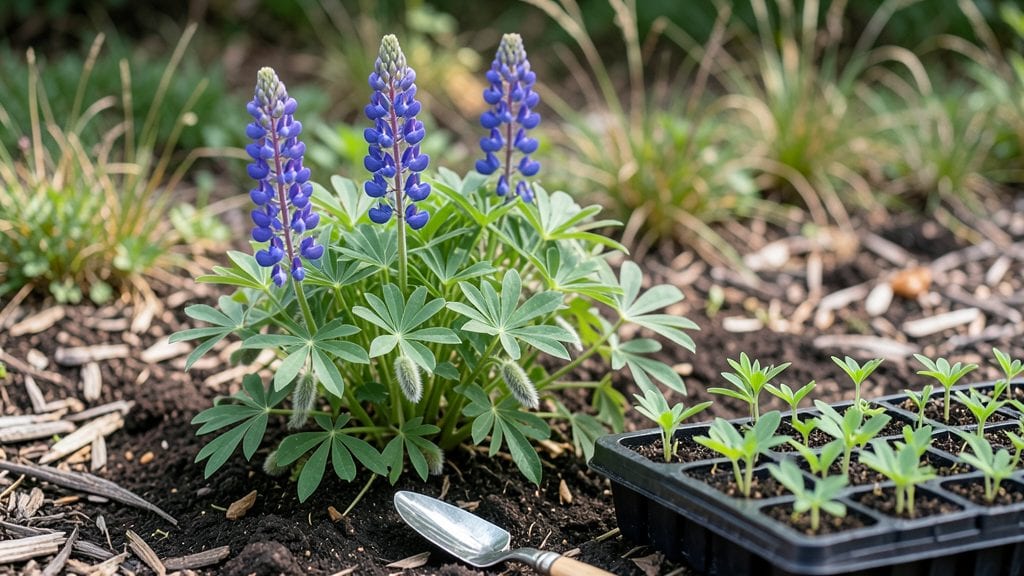
Children’s garden projects using recycled materials spark creativity while teaching sustainability—try repurposed containers like plastic bottles or tin cans for seed starters, build mini compost bins from cardboard, or craft fairy gardens with egg cartons and twigs. Always supervise young gardeners and use non-toxic paints for decorating.
These hands-on activities turn everyday waste into learning tools, blending creativity with real-world problem-solving. 🌱 For example, transforming milk jugs into watering cans teaches volume measurement, while building a compost bin from cardboard introduces decomposition science.
The tactile nature of these projects also helps kids develop fine motor skills while connecting with nature in meaningful ways.
What’s great about these projects is their adaptability—you can scale them for different ages and skill levels. Younger kids might focus on decorating their containers with eco-friendly markers, while older ones can design entire garden layouts using recycled pallets.
Plus, the cost savings make them accessible for families on any budget.
💡 In This Article
- How Recycled Materials Boost Kids’ Learning in Gardens
- Top 10 Recycled Garden Projects for Different Ages
How recycled materials boost kids’ learning in gardens
Here's what's actually happening when kids repurpose materials in gardens: their brains are making multiple neural connections simultaneously. Studies from the Cognitive Development Society show that hands-on projects combining creativity and science—like turning plastic bottles into seed starters—activate both the prefrontal cortex (for planning) and motor cortex (for physical coordination).
The tactile experience of cutting, painting, and planting stimulates 50% more sensory feedback than passive learning, according to a University of Cambridge study on tactile learning.
The math comes into play when measuring and dividing materials. For instance, cutting a 2-liter soda bottle into 4 equal sections for four different plants teaches fractions in a real-world context.
Kids calculate surface area when deciding how many seeds fit in a 6-inch diameter egg carton tray, while volume measurements become tangible when filling recycled tin cans with soil.
This "math in action" approach helps children retain concepts 30% better than traditional worksheets, per research from Stanford's Graduate School of Education. 🌱
Sensory play with natural and recycled items also enhances cognitive development. The texture of soil in repurposed containers, the aroma of decomposing leaves in cardboard compost bins, and the sound of watering plants with recycled spray bottles create a multi-sensory learning environment.
This sensory integration strengthens memory pathways—kids remember 90% of what they do compared to 10% of what they read, according to Dr. Maria Montessori's educational principles. The decomposition process in mini compost bins becomes a living science lesson, showing kids firsthand how organic matter transforms into nutrient-rich soil.
What most people don't realize is how these projects build environmental awareness. When children see their recycled materials become part of a thriving garden, they develop a concrete understanding of sustainability.
A National Geographic study found that kids who participate in recycling-based garden projects show 40% higher environmental responsibility scores in later years. The pride of growing plants from "trash" creates lasting positive associations with conservation.
Consider these key factors when designing learning-focused garden projects:
- Material selection: Choose items with varied textures (smooth plastic bottles vs. rough cardboard) to engage different senses
- Size adaptation: Use 8-ounce yogurt cups for tiny seeds and gallon milk jugs for larger plants to match skill levels
- Safety first: Always supervise cutting activities with scissors and ensure all paints are AP-certified non-toxic
- Seasonal timing: Start with fast-growing herbs in spring when kids can see quick results
The science behind these projects extends beyond the garden. When kids observe how their recycled watering cans distribute exactly 1 cup of water to each plant, they're learning about conservation and measurement precision.
This same principle applies to real-world scenarios like cooking measurements or budgeting—skills that transfer seamlessly from garden to kitchen to classroom. 💫