How To
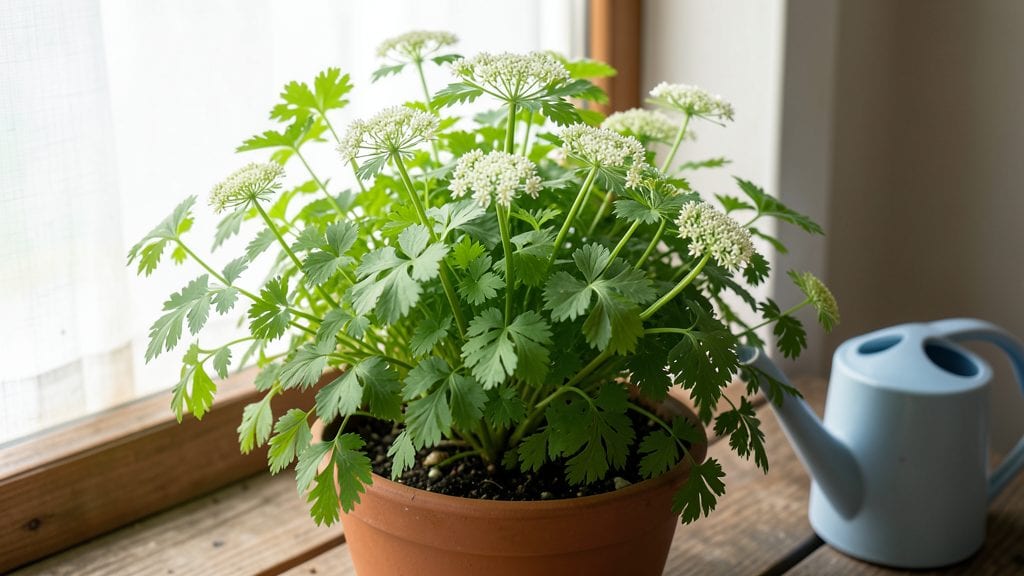
Here are my cilantro gardening tips—because growing this zesty herb from seed to harvest is the fastest way to get fresh, bright green leaves that taste like nothing store-bought can match. 🌱 I’ve learned the hard way that cilantro hates neglect—it bolts faster than you can say "pesto"—but with the right soil, water, and a little patience, you’ll have a thriving plant in just 3-4 weeks.
The secret isn’t complicated: cilantro thrives in cool weather, so start seeds indoors 4-6 weeks before your last frost or plant directly in the garden when soil temps hit 50°F.
Keep it moist but not soggy, and give it 4-6 hours of sunlight daily—any less and you’ll get leggy, weak plants that bolt before you can harvest. Once established, it grows fast, and you’ll be snipping leaves in no time.
📚 In This Guide
- What you need
- Instructions
- Tips and common mistakes
- Wrapping up and next steps
What you need
- ● Cilantro seeds: 1–2 packets (organic, non-GMO preferred; ~50–100 seeds per packet). Pro tip: 💡 Choose varieties like ‘Santo’ or ‘Calypso’ for bold flavor!
- ○ Potting mix or garden soil: 5–10 gallons (well-draining, organic-rich blend; avoid heavy clay). Optional: Mix in compost (1 part compost to 3 parts soil).
- ● Containers (if not in-ground): 5–6 inch pots (for 1–2 plants each) or
- ● Long, shallow trays (12+ inches wide for multiple plants).
- ● Watering can or hose with a gentle spray nozzle.
- ○ Fertilizer (optional but helpful): Balanced liquid fertilizer (5-5-5 or 10-10-10) or compost tea.
- ○ Gloves (optional): Protects hands from soil and seed residue.
- ● Trowel or small hand shovel: For planting seeds ½ inch deep.
- ○ Mulch (optional): Straw or shredded leaves to retain moisture.
- ○ Sunlight meter or app (optional): Ensure your spot gets 4–6 hours of sun daily.
- ○ Pruning scissors (optional): For harvesting leaves cleanly.
- ● Location: Partial shade to full sun (morning sun + afternoon shade works best in hot climates).
- ● Temperature: Ideal germination range: 60–75°F (15–24°C). Pro tip: 🌡️ Avoid planting when temps exceed 80°F—cilantro bolts faster!
- ● Water access: Consistent moisture (keep soil damp but not soggy).
Step-by-Step instructions for growing bold cilantro plants
Here’s how to grow cilantro that stays lush, flavorful, and doesn’t bolt too soon.
🌱 Step 1: Choose the Right Spot for Cool-Season Growth
Cilantro thrives in cool weather (60-75°F)—it bolts (goes to seed) fast when temperatures climb above 75°F. Pick a location with partial shade in hotter months or morning sun and afternoon shade in summer. If you’re growing in containers, place them where they get 3-4 hours of direct sun daily—too much scorches the leaves.
I always plant mine near tomatoes or peppers to take advantage of their morning sun, then move them to shade by noon. Watch for yellowing leaves—that’s your cue to relocate to cooler, shadier conditions immediately. Cilantro also loves well-draining soil, so if your garden soil is heavy, amend it with compost before planting.
💧 Step 2: Plant Seeds Correctly for Fast Germination
Sow seeds ¼ inch deep in moist, well-draining soil—cilantro seeds need consistent moisture to germinate, but they’ll rot if waterlogged. Space seeds 6-8 inches apart in rows 12 inches apart (or 3-4 seeds per 6-inch pot if container-growing). I like to plant in succession every 2 weeks for a steady harvest.
Here’s the thing—cilantro seeds can take 7-14 days to sprout, so don’t panic if nothing happens right away. Keep the soil evenly moist (not soggy) by watering every 2-3 days until seedlings emerge. Once they’re up, thin to the strongest plant per spot—crowding weakens growth and invites pests.
☀️ Step 3: Manage Light and Water to Prevent Bolting
Cilantro bolts (stems elongate, leaves turn bitter) when stressed by heat or dryness. To avoid this, water deeply 1-2 times per week, keeping the soil consistently moist but not waterlogged. I water in the early morning so leaves dry quickly—this prevents fungal issues.
If your cilantro starts stretching toward the light or flowering, it’s bolting. Harvest immediately or move plants to a cooler, shadier spot. For a second crop, let some plants bolt, collect seeds, and sow them in fall or early spring when temps drop. Bolting doesn’t mean the harvest is over—just adjust your game plan!
✂️ Step 4: Harvest for Maximum Flavor and Regrowth
Harvest cilantro outer leaves first, cutting just above a set of leaves to encourage bushier growth. For bunch harvesting, snip 3-4 inches above the base—this keeps the plant productive. I always harvest in the morning when oils are most concentrated for peak flavor.
If your cilantro bolts but you still want leaves, harvest the stems before seeds form—young flower buds are edible and add a spicy kick. For a fresh batch, sow new seeds every 2-3 weeks—this ensures a steady supply of tender, pungent leaves all season.
🌿 Step 5: Extend the Season with Simple Tricks
To grow cilantro in hot climates, try shade cloth (30-50%) or row covers during peak afternoon heat. I’ve also had success growing it in partial shade under fruit trees—the dappled light keeps temps ideal. For winter crops, use black plastic mulch to warm the soil slightly and prevent frost damage.
Real talk: Cilantro won’t last forever in heat, but with these tricks, you’ll get 4-6 weeks of harvests instead of just 2. If all else fails, let a few plants bolt, save seeds, and start fresh in cooler weather. That’s how I keep cilantro growing year-round!
Tips & tricks for perfect cilantro growth
Here's what I've learned from years of growing cilantro that actually stays fresh and flavorful.
Temperature Control: The 60-75°F range is non-negotiable for cilantro success. If your thermometer hits 75°F or higher, your plants will bolt within days. I've found that placing containers on a wheeled dolly lets me move them between morning sun and afternoon shade with ease—just roll them to cooler spots when temps rise. For indoor growing, keep plants near a north-facing window where temps stay cooler.
The Shade Strategy: In Step 1, when choosing your spot, consider adding a lightweight shade cloth (30-50%) if you're in a hot climate. I've had great success with a simple 50% shade cloth draped over a hoop during peak afternoon sun—it keeps leaves vibrant and prevents bolting. For containers, you can even use a white bedsheet tied loosely over the pot as a temporary shade solution.
Germination Patience: Those 7-14 days of waiting for sprouts can feel endless, but consistency is key. I like to use a spray bottle to keep soil evenly moist during germination—it gives me better control than watering from above. Once sprouts appear, reduce watering to every 2-3 days as instructed, but always check the top inch of soil first. If it's dry, water; if it's damp, wait. This prevents both underwatering and overwatering.
Harvesting Hack: When harvesting in Step 4, I've found that using clean, sharp kitchen scissors gives me the cleanest cuts. Snip just above a set of leaves to encourage regrowth, and always harvest in the morning when essential oils are most concentrated. I also like to store harvested cilantro in a glass jar with a damp paper towel and plastic wrap—it stays fresher longer than in the fridge alone.
Pro Tips for Cilantro Gardening Tips
- Here's what I've learned from years of growing cilantro that actually stays fresh and flavorful.
- Temperature Control: The 60-75°F range is non-negotiable for cilantro success.
- The Shade Strategy: In Step 1, when choosing your spot, consider adding a lightweight shade cloth (30-50%) if you're in a hot climate.
Frequently asked questions
Got questions about growing cilantro like a pro?
Here are answers to the most common ones—from timing to troubleshooting—so you can cultivate bold, flavorful leaves with confidence!
When is the best time to plant cilantro?
Cilantro thrives in cool weather—plant seeds 2–4 weeks before your last frost in spring or 6–8 weeks before the first frost in fall. Avoid hot summers (above 80°F/27°C), as it’ll bolt quickly. For year-round harvests, try container gardening and move pots indoors during heatwaves!
How long does it take for cilantro to grow?
Expect 3–4 weeks for harvest-ready leaves, but patience pays off! For bolting prevention, snip outer leaves as soon as they reach 6–8 inches tall. If you wait too long, the plant may flower (and taste soapy). Pro tip: Succession plant every 2 weeks for a continuous supply!
Why does my cilantro taste soapy?
That’s bolting—cilantro’s natural response to heat or stress. To avoid it:
- Keep soil consistently moist (not soggy).
- Use shade cloth in hot climates.
- Harvest leaves young (before flowering).
- Try slow-bolting varieties like ‘Santo’ or ‘Calypso.’
If it’s too late, cook the leaves—the heat mellows the flavor!
Can I grow cilantro indoors?
Use a south-facing window or grow lights (12–14 hours/day). A 6-inch pot with well-draining soil works well. Keep humidity up with a pebble tray or misting, and fertilize lightly every 4–6 weeks. Bonus: Regrow cilantro from store-bought stems—just trim ends and place in water!
What pests should I watch for?
Cilantro attracts aphids, spider mites, and flea beetles. Combat them with:
- Neem oil spray (preventative + treatment).
- Row covers for young plants.
- Handpick larger pests (like beetles) early.
- Avoid overwatering—damp soil invites fungus gnats.
Healthy plants resist pests better, so rotate crops annually to break pest cycles!
Wrapping up and next steps
Growing cilantro at home is easier—and more rewarding—than you might think! With the right soil, sunlight, and care, you’ll enjoy a fresh, abundant harvest in no time. Whether you’re a seasoned gardener or just starting, these tips will help you cultivate bold, flavorful leaves for all your favorite dishes.
Ready to take the next step? Start small—plant a pot or a patch in your garden today! 🌱 And once you’ve mastered cilantro, explore other herbs like parsley or basil. Happy growing!