Advice
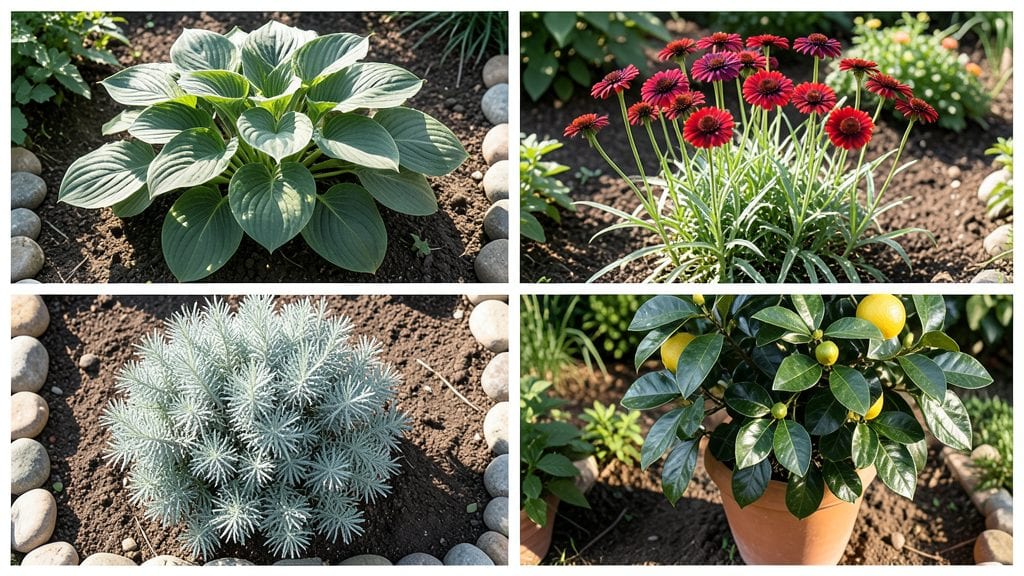
Climate zones gardening divides regions into 11 USDA hardiness zones based on average minimum winter temperatures, helping gardeners select plants that thrive in their specific area’s frost tolerance and seasonal patterns.
Understanding climate zones gardening means recognizing how temperature ranges shape your growing season. The USDA system breaks the U.S. into zones 1-11, where each number represents a 10°F increment in cold tolerance—so Zone 5 can handle down to -20°F, while Zone 10 rarely dips below 30°F.
This isn't just about winter survival; it dictates everything from bloom times to pest cycles. For example, tropical plants like hibiscus thrive in Zone 10's mild winters, while hardy perennials like coneflowers excel in Zone 5's colder climate.
Microclimates—like a south-facing wall or shaded garden bed—can even shift your effective zone by 1-2 levels, giving you more flexibility in plant choices. 🌱
Beyond basic plant selection, these zones help predict frost-free days, which determine when to plant cool-season crops versus warm-season favorites. Gardeners in Zone 7 might start tomatoes after Memorial Day, while Zone 9 gardeners can plant them as early as February.
The system also explains why some plants struggle in unexpected places—like peaches failing in Zone 4 despite their reputation for cold hardiness.
Knowing your zone isn't just about avoiding plant deaths; it's about maximizing your garden's potential year after year. Pro tip: Use the USDA Interactive Map to pinpoint your exact zone down to the nearest tenth—precision matters when selecting finicky varieties!
💡 In This Article
- How USDA Plant Hardiness Zones Determine Garden Success
- Plant Selection Guide by Climate Zone Type
How USDA plant hardiness zones determine garden success
The USDA Plant Hardiness Zone Map divides North America into 11 zones based on the average annual minimum temperature over a 30-year period. Each zone represents a 10°F range—so Zone 5 (-20°F to -10°F) is colder than Zone 8 (10°F to 20°F).
This system isn't arbitrary; it reflects how plants metabolize and survive. When temperatures drop below a plant's cold tolerance, cellular damage occurs through ice crystal formation in plant tissues, disrupting water transport and nutrient flow.
For example, a rose bush rated for Zone 5 can withstand -20°F because its cells produce protective proteins that prevent ice crystals from rupturing membranes. 🌿
Frost-free days are another critical factor tied to zones. These days determine when to plant warm-season crops like tomatoes or peppers, as they require consistent temperatures above 50°F to germinate. Zone 10's 270+ frost-free days allow year-round gardening, while Zone 4's 90-150 days limit options to fast-maturing varieties.
The map also accounts for microclimates—small areas with unique conditions (like urban heat islands or sheltered valleys) that can shift your effective zone by 1-3 levels.
A south-facing wall, for instance, might create a Zone 7 microclimate in an otherwise Zone 5 yard, extending the growing season by 2-4 weeks.
Understanding your zone helps avoid costly mistakes. Planting a Zone 9 citrus tree in Zone 5 risks winter die-off, while choosing Zone 3 hardy shrubs in Zone 10 may result in heat stress.
The zones also predict pest and disease cycles—warmer zones (like 8-10) face more fungal diseases, while colder zones (3-5) struggle with rodent damage during thaw cycles. For long-term success, gardeners use zones to plan perennial placements, mulching strategies, and seasonal rotations. 🌡️
Here's how zones affect plant survival mechanisms:
- Cold acclimation: Plants in Zones 3-5 produce antifreeze proteins that lower their freezing point by 5-10°F, similar to how animals survive winter.
- Dormancy triggers: Short-day plants (like chrysanthemums) in Zone 6 enter dormancy when daylight drops below 12 hours, while Zone 10 plants may stay active year-round.
- Root insulation: Deep-rooted perennials in Zone 4 survive by insulating roots with 3-6 inches of organic mulch, maintaining soil temps 5-10°F warmer than air.
For gardeners relocating or expanding, zones provide a baseline for plant compatibility. A Zone 7 gardener moving to Zone 9 might need to replace frost-sensitive perennials with heat-tolerant alternatives, while a Zone 5 gardener could introduce more cold-hardy varieties.
The key is matching a plant's hardiness rating to your zone—though always verify with local nurseries, as soil conditions and elevation can create exceptions. Precision matters: A Zone 6 plant in Zone 5 may survive with winter protection, but a Zone 7 plant in Zone 6 risks winter damage. 📊
Beyond individual plants, zones shape entire ecosystems. Forests in Zone 4 transition to grasslands in Zone 7, and native pollinators evolve to thrive in specific thermal ranges. This is why native plant selections often align perfectly with your zone—they've co-evolved with local climate patterns.
For example, black-eyed Susans (Zone 3-9) dominate midwestern gardens because their deep roots and drought tolerance match the region's hot summers and cold winters. By working with your zone, you're not just gardening—you're participating in a 500-million-year-old adaptation story. 🌍