Pests
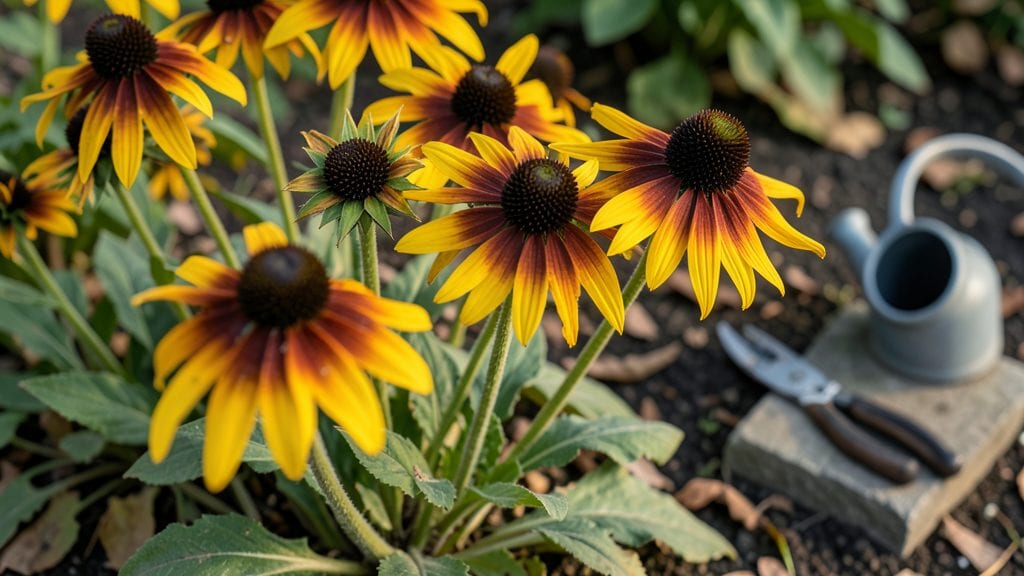
Deer eating your garden isn't just annoying—it's heartbreaking when you've spent hours nurturing plants only to wake up to chewed leaves and trampled soil. 🌿 I've lost entire rows of hostas and daylilies to these graceful but destructive visitors, and I finally found the barriers that actually work without harming wildlife or breaking the bank.
The key is combining physical deterrents with deer's natural instincts. A simple 8-foot-tall fence made of wire mesh or wood works, but even that can be bypassed.
I've had better luck with a mix of motion-activated sprinklers, which startle them when they get too close, and planting deer-resistant species like lavender, Russian sage, and daffodils around the perimeter. These plants don't just survive—they thrive while sending deer packing.
What you'll end up with is a garden that deer ignore completely, where your vegetables and flowers grow undisturbed. The best part? These solutions are sustainable, chemical-free, and actually make your garden more resilient.
No more waking up to devastation or relying on expensive fencing that doesn't hold up. The peace of mind alone is worth the effort.
Works for any yard size, from small urban plots to sprawling country gardens. The secret is layering defenses—no single method is foolproof, but together they create an impenetrable barrier. Let's get your garden back from those four-legged raiders for good.
Why Deer Target Your Garden
Deer aren’t just wandering into your garden out of curiosity—they’re driven by a mix of instinct, hunger, and habitat needs. Understanding the real reasons behind their visits is the first step to outsmarting them. Here’s why your garden becomes an all-you-can-eat buffet for these four-legged foragers.
Deer are opportunistic browsers, meaning they’ll munch on whatever’s easiest and most nutritious. When their preferred wild foods—like clover, acorns, or young shoots—become scarce due to seasonal changes, drought, or overgrazing, they turn to cultivated gardens for a quick meal.
Studies show that deer rely on about 50 different plant species when natural sources dry up, and a well-tended garden is a smorgasbord.
- Spring/Summer: New growth (like hostas, tulips, or lettuce) is high in moisture and protein, making it irresistible.
- Fall/Winter: Mature veggies (kale, cabbage, or corn) offer carbohydrates and fiber when acorns or berries are hard to find.
- Drought Conditions: Deer seek out water-rich plants (e.g., herbs, succulents) to stay hydrated.
Actionable Insight: If you notice deer activity spiking after a dry spell or late frost, they’re likely desperate for food. Preemptive barriers (like fencing or repellents) work best before they get hooked on your garden’s menu.
Deer are crepuscular (most active at dawn and dusk) and prefer areas with cover, low human traffic, and easy escape routes. If your garden fits this description, it becomes a high-risk, high-reward feeding zone. Key factors:
| Factor | Why It Attracts Deer |
|---|---|
| 🌳 Dense Shrubbery or Trees | Provides hiding spots while they graze nearby. |
| 🌾 Tall Grass or Weeds | Offers concealment and a sense of security. |
| 🚪 Minimal Fencing or Gates | Deer see it as an easy entry/exit with no perceived threat. |
| 🌙 Low Lighting at Night | Encourages bold daytime grazing since they feel safer. |
Pro Tip: Deer avoid open areas with high visibility. Trim overgrown bushes, install motion-activated lights, or add a deer-proof fence (at least 8 feet tall) to disrupt their comfort zone.
Deer are highly intelligent and remember both the location of food sources and the consequences of visiting them. If they’ve successfully raided your garden before without facing deterrents (like dogs, noise, or humans), they’ll return—and even bring their fawns to teach them the "best spots."
Research shows deer can recall specific garden layouts for months, especially if rewards (like tasty plants) outweigh risks.
- First Visit: A curious deer samples a few plants and leaves.
- Second Visit: If undisturbed, they’ll expand their grazing area.
- Third Visit: They’ll return regularly and may trample other plants while feeding.
Key Takeaway: The longer you ignore the problem, the harder it is to break their habit. Introduce multiple deterrents simultaneously (e.g., repellents + fencing + noise) to disrupt their learned behavior.
Not all plants are equally appealing to deer—some are gourmet treats, while others are bitter or toxic. Deer have a keen sense of smell and taste, so they zero in on:
- Tender, Young Plants: Newly planted flowers, seedlings, or succulent leaves (e.g., hostas, daylilies, impatiens).
- High-Protein Greens: Lettuce, spinach, kale, and cabbage family plants (they’re like deer salad bars).
- Sweet or Aromatic Herbs: Mint, basil, and dill (the scent attracts them from 50+ yards away).
- Fruiting Plants: Apples, grapes, and berries (ripe = easy calories).
💡 Data-Driven Tip: A 2021 study by the University of Georgia ranked lilacs, roses, and tulips as top deer targets. If these are in your garden, they’re literally ringing the dinner bell.
Solution: Replace high-value plants with deer-resistant alternatives (e.g., lamb’s ear, Russian sage, or boxwood) or use physical barriers (like chicken wire) around prized species.
Proven Ways to Stop Deer Damage
Now that you understand why deer are feasting on your garden, it’s time to take action! The good news is that natural, humane solutions exist to protect your plants without harming these graceful creatures.
Below, we’ve mapped common causes to effective fixes, along with prevention tips to keep your garden deer-free long-term.
Fix: Block Entry Points with Physical Barriers Deer are opportunistic grazers—they’ll wander in if there’s an easy path. The best defense? Make your garden less inviting by restricting their access.
- 🔥 Install a Tall Fence (8+ Feet High) - Deer can jump 8 feet easily, so a 6-foot fence won’t cut it.
Opt for 8-foot tall fencing made of wood, metal, or woven wire. - Pro Tip: 💡 Angle the top outward (like a "V") to deter climbing.
- 🍳 Use Temporary Barriers for Seasonal Protection
- If fencing isn’t an option, try removable barriers like:
- Plastic deer netting (staked securely)
- Snow fencing (cheap and effective for short-term use)
- Hair netting (biodegradable and reusable)
- If fencing isn’t an option, try removable barriers like:
- 👨🍳 Create a "Deer-Proof" Buffer Zone
- Plant deer-resistant shrubs (like boxwood, barberry, or Russian olive) around the perimeter to slow them down before they reach your veggies.
Fix: Remove the Allure with Repellents & Plant Choices Deer have super-sensitive noses—if your garden smells like an all-you-can-eat buffet, they’ll keep coming back. Mask the scent and choose tougher plants.
- 🥘 Apply Natural Repellents (Safe & Effective)
- Spray-on repellents (like Deer Out, Liquid Fence, or hot pepper wax) confuse their sense of smell.
- DIY options:
- Soapy water + garlic (mix 1 tbsp dish soap + 1 tbsp garlic powder per gallon of water)
- Rotten eggs or predator urine (smells gross to deer—reapply after rain)
- Pro Tip: 🌡️ Reapply every 1-2 weeks (or after heavy rain) for best results.
- 🔪 Plant Deer-Resistant Alternatives
- Swap loved snacks (like hostas, roses, and tulips) for deer-deterrent plants:
- Vegetables: Kale, Swiss chard, radishes, onions
- Flowers: Marigolds, snapdragons, lavender
- Herbs: Rosemary, thyme, mint
- Swap loved snacks (like hostas, roses, and tulips) for deer-deterrent plants:
Fix: Disrupt Their Feeding Patterns Deer are crepuscular (most active at dawn and dusk). Surprise them with motion-activated deterrents to break their routine.
- 🎯 Use Motion-Activated Lights or Sprinklers
- Motion-activated lights (like Solar Lighting International’s models) startle deer when they approach.
- Motion-activated sprinklers (like ScareCrow) spray water when triggered—deer hate getting wet!
- 🔥 Play Predator Sounds or Wind Chimes
- Predator calls (coyote, wolf, or bobcat) on a timer (dawn/dusk) can scare them off.
- Wind chimes or old CDs create unpredictable noise, making them think a predator is near.
- 🌙 Set Up a "Guard Dog" (Even If You Don’t Have One)
- A fake guard dog sign (with a real-looking statue) often works—deer assume another predator is around.
Fix: Make Your Garden Less Appealing Deer prefer shady, hidden spots where they can graze undetected. Open up your space and remove hiding places.
- 🌿 Trim Bushes & Tall Grass
- Keep shrubs and grass trimmed so deer can’t hide or feel protected while eating.
- 💡 Add Reflective Objects
- Hang old CDs, aluminum pie plates, or reflective tape to create flashes of light that deter them.
- 🎯 Use a "Scarecrow" (But Make It Effective)
- Moving scarecrows (like flapping arms or inflatable owls) work better than static ones.
- Change positions weekly so deer don’t get used to them.
Once you’ve secured your garden, keep these proactive steps in mind to prevent future damage:
✅ 🌱 Rotate Repellent Methods – Deer get used to smells, so switch between sprays, sounds, and barriers seasonally.
✅ 🍃 Keep Your Garden Tidy – Remove fallen fruit, overripe veggies, and fallen leaves that attract deer.
✅ 🌿 Plant a "Deer Barrier Garden" – Create a border of thorny or pungent plants (like rosemary, barberry, or holly) to physically and smell-wise repel them.
✅ 🔍 Check for New Entry Points – After rain or storms, inspect fences and barriers for gaps.
✅ 🎯 Be Patient & Consistent – Deer learn quickly, so stick with your chosen method for at least 2-3 weeks before expecting results.
Final Thought: 🎯 Combine 2-3 methods (like a fence + repellent + motion sprinklers) for the best defense. With persistence, you’ll reclaim your garden without harming these beautiful but hungry visitors!
Frequently asked questions
What’s the most effective height for a deer fence?
An 8-foot fence is the minimum height to stop deer from jumping over. Deer can easily clear 6-foot fences, so if you’re in an area with frequent browsing, go taller. For extra security, angle the top outward like a "V" to prevent climbing.
Do deer repellents really work, or are they just a waste of money?
Repellents can work, but their effectiveness depends on consistent reapplication (every 1-2 weeks or after rain). Natural options like garlic-soapy water or hot pepper sprays are cost-effective and safe. For best results, combine them with other deterrents like fencing or motion-activated sprinklers.
Are there plants that deer completely avoid?
No plant is 100% deer-proof, but some are highly resistant. Deer typically avoid lamb’s ear, Russian sage, boxwood, and lavender due to their strong scents or textures. For veggies, kale, Swiss chard, and onions are less appealing than lettuce or tulips.
Will deer eventually stop coming if I scare them enough?
Deer have excellent memories and may return if they find your garden still accessible. For long-term results, use a combination of methods (e.g., fencing + repellents + motion-activated sprinklers). Consistency is key—stick with your strategy for at least 2-3 weeks before expecting results.
Can I use predator urine to keep deer away?
Yes, but it’s most effective when freshly applied and combined with other deterrents. Deer urine (or synthetic versions) can work, but deer may get used to the smell over time. Reapply every few weeks and rotate with other methods like noise or physical barriers for better results.