Advice
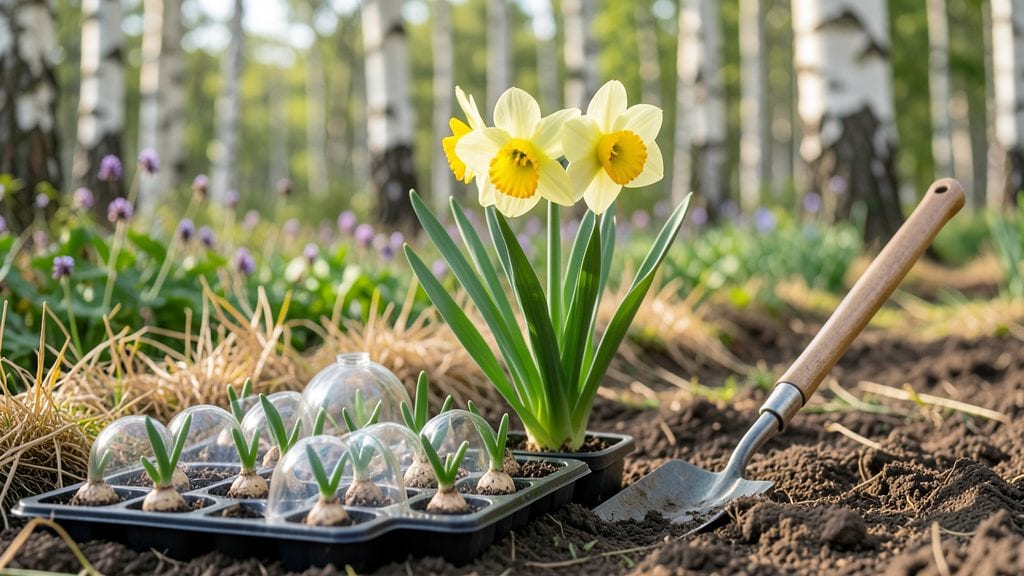
February is when the garden starts whispering what’s possible—if you listen. 🌱 I’ve spent years watching how early tasks set the stage for the whole growing season, and this month is all about balance: protecting what’s dormant while gently coaxing new life indoors.
The key is working with your climate, whether you’re in a chilly Zone 5 or a mild Mediterranean winter.
Start by tidying up winter-damaged perennials and pruning dormant fruit trees while they’re still bare. That’s your chance to see the structure before new growth hides the branches. Meanwhile, indoor seed starting begins for cool-season crops like lettuce and peas—just give them a warm spot and bright light.
Even in short daylight hours, a simple grow light can make all the difference.
Outdoor work shifts to pest-proofing: check stored tools and empty garden beds for overwintering critters, and consider laying down mulch to smother weeds. The reward? Fewer surprises when spring arrives, and plants that bounce back stronger. February’s tasks might feel quiet, but they’re the foundation for everything that comes next.
Regional tweaks matter—Mediterranean gardeners might focus on winter veggies while northerners prep cold frames. The universal rule? Stay ahead of the thaw, and you’ll avoid the rush of spring. Let’s get those early starts going.
📚 In This Guide
- What you need
- Instructions
- Tips and common mistakes
- Wrapping up and next steps
What you need
- ● Hand trowel (4–6 inches) – For planting seeds and small bulbs.
- ● Garden fork or broadfork – Loosens compacted soil (rent or borrow if needed).
- ● Pruners or shears – Sharp, clean pair for trimming dead growth.
- ● Gloves – Heavy-duty, waterproof gloves (one pair for digging, one for handling plants).
- ● Seed trays or biodegradable pots – For starting cool-season crops (e.g., lettuce, peas).
- ● Seed-starting mix – Lightweight, sterile blend (avoid garden soil).
- ● Organic mulch – Straw or shredded leaves (2–3 inches) to retain moisture.
- ● Row covers or frost cloth – Protects tender seedlings from late frosts.
- ● Hose with adjustable nozzle – For gentle watering (avoid overhead spraying).
- ● Pest-control sprays – Neem oil or insecticidal soap (for early pest prevention).
- ● Soil test kit – Check pH and nutrient levels before amending soil.
- ● Compost or aged manure – Boosts soil fertility (1–2 inches mixed into top 6 inches).
- ● Cold frame or mini greenhouse – Extends growing season for heat-loving plants.
- ● Plant labels & markers – Save time and confusion later!
- ● Knee pad or cushion – Because February gardening can get chilly. 😉
Step-by-Step February gardening tasks for early planting success
February is all about setting your garden up for a strong spring—here’s how to get started.
🌱 Step 1: Plan and Prepare Your Planting Schedule
Start by checking your local frost dates—most gardeners plant cool-season crops like peas, spinach, and lettuce 4-6 weeks before the last frost. I like to mark these dates on my calendar and work backward to schedule seed starting and soil prep. February is perfect for planning because you can still adjust based on weather forecasts.
Make a list of what you want to grow this year, focusing on early crops that tolerate cooler temperatures. If you're growing from seed, order supplies now—seedlings can be pricey if you wait until spring. I always prioritize fast-growing greens and root vegetables first, as they’ll be ready to harvest before summer heat arrives.
☀️ Step 2: Test and Amend Your Soil
February’s mild weather makes it ideal for soil testing. Grab a handful of soil from your garden beds and send it to your local extension office for a pH test—most home gardens need a 6.0-7.0 pH for optimal nutrient uptake. While you’re waiting for results, spread a 2-3 inch layer of compost over the beds and lightly rake it in.
If your soil feels compacted or clay-heavy, mix in a 1-2 inch layer of coarse sand or perlite to improve drainage. I avoid tilling in February—it can disrupt soil structure and wake up overwintering pests. Instead, I focus on adding organic matter and letting nature do the rest over the coming weeks.
🪴 Step 3: Start Cool-Season Crops Indoors or Under Cover
If you’re growing seedlings indoors, set up a warm, bright spot with a grow light or south-facing window. Sow hardy crops like broccoli, cabbage, and onions 6-8 weeks before transplanting. Keep the soil consistently moist but not soggy—seedlings rot quickly if overwatered. I use a humidity dome for the first week to help seeds germinate faster.
For outdoor planting, cover beds with row covers or cold frames to extend the season. These protect young plants from late frosts while still allowing sunlight and water to penetrate. If you’re planting directly in the ground, choose a mild day with temperatures above 40°F to avoid shocking tender seedlings.
✂️ Step 4: Prune and Protect Perennials
February is a great time to prune back dead foliage from perennials like lavender, rosemary, and ornamental grasses. Cut stems back to 2-3 inches above the ground, but avoid heavy pruning on spring-blooming plants like lilacs—wait until after they flower. I always clean up debris from last season’s growth to reduce pest habitats and improve airflow.
Apply a 2-3 inch layer of mulch around perennial beds to insulate roots and retain moisture. Avoid piling mulch against stems, as this can cause rot. If you notice any signs of pests like aphids or spider mites, treat with neem oil or insecticidal soap—early intervention prevents bigger problems later.
💧 Step 5: Set Up Pest Prevention Measures
February is the perfect time to install physical barriers against pests. Place row covers or netting over vulnerable crops like brassicas to block cabbage moths and flea beetles. I also set out traps for overwintering pests like slugs and snails—beer traps or diatomaceous earth work well without harsh chemicals.
Check stored tools, compost bins, and garden structures for signs of rodents or insects. Seal any gaps in sheds or greenhouses, and store firewood at least 20 feet away from your home to discourage pests. A little prevention now saves hours of cleanup later in the season.
Tips & tricks for perfect February gardening prep
February is your chance to set your garden up for a thriving spring—here's how to make the most of this foundational month.
Frost Date Timing: When calculating your 4-6 week planting window from Step 1, I recommend checking your local extension office for precise frost dates rather than relying on online averages. Cold snaps can still occur, so plan to cover tender seedlings with row covers if nighttime temperatures dip below 40°F. This buffer period ensures your cool-season crops like spinach and peas get established before warmer weather arrives.
Soil Testing Shortcuts: While waiting for your soil pH results, I've found that a simple baking soda test gives quick feedback. Mix one tablespoon of baking soda with one cup of distilled water, then add a handful of soil. If it fizzes, your soil is acidic (below 6.0 pH). For alkaline soil (above 7.0 pH
Seed Starting Secrets: In Step 3, when sowing your 6-8 week seedlings, I've discovered that using a paper towel germination method first speeds up the process. Place seeds between damp paper towels in a sealed container for 3-5 days until sprouts appear. Then transfer to soil—this gives you a head start on the 6-8 week timeline without compromising plant health. Just keep the environment warm and humid during this initial phase. Pest Prevention Planning: For Step 5's pest barriers, I recommend installing chicken wire collars around young brassicas as an extra defense against cabbage moths. Bury the wire 2-3 inches deep and leave a 1-inch gap at the top for airflow. This physical barrier works alongside row covers and prevents those pesky moths from laying eggs on your plants before you even notice them.
Pro Tips for February Gardening Tasks
- February is your chance to set your garden up for a thriving spring—here's how to make the most of this foundational month.
- Frost Date Timing: When calculating your 4-6 week planting window from Step 1, I recommend checking your local extension office for precise frost dates rather than relying on online averages.
- Soil Testing Shortcuts: While waiting for your soil pH results, I've found that a simple baking soda test gives quick feedback.
Frequently asked questions
Got questions about tackling February gardening? You’re not alone! Here are some common concerns—and their answers—to help you prep like a pro.
What if it’s still freezing where I live?
Don’t let late frosts stop you! Focus on cold-hardy tasks like pruning perennials, cleaning garden tools, and planning your seed-starting schedule indoors. If you’re eager to plant, opt for frost-resistant veggies like kale or spinach in protected microclimates (like near south-facing walls).
Should I start seeds indoors in February?
February is perfect for sowing cool-season crops like lettuce, broccoli, and herbs. Use seed-starting kits or DIY setups with grow lights. Just avoid overwatering—seedlings hate soggy soil. Pro tip: Label trays to track varieties and keep them in a warm (65–75°F) spot until sprouts appear.
How do I protect my garden from pests early in the season?
Prevention is key! Start with healthy soil (compost helps!) and remove debris where pests hide. Use row covers for vulnerable plants and introduce beneficial insects like ladybugs or nematodes. For slugs, set out beer traps or diatomaceous earth. Monitor regularly—early detection saves your greens!
Can I plant flowers in February?
Yes! Opt for frost-tolerant annuals like pansies, snapdragons, or calendula. Perennials like hellebores and lungwort also thrive when planted now. Check your USDA zone—cooler regions may need to wait until March. Mulch newly planted flowers to insulate roots and retain moisture.
What’s the best way to sharpen garden tools for February?
Dull tools make work harder (and risk damage). Use a file or sharpening stone for pruners and shears, focusing on the blade’s edge at a 25–30° angle. For trowels and hoes, hone the metal with a whetstone. Store tools in a dry place and oil moving parts to prevent rust—your February prep will thank you!
Wrapping up and next steps
February is your chance to lay the groundwork for a thriving garden—whether you're tackling early plantings, fortifying against pests, or simply preparing your space for spring. By pruning dormant plants, testing soil, and planning your layout, you’re setting yourself up for success as warmer weather arrives.
Don’t let a little chill dampen your enthusiasm: small steps now mean big rewards later!
Ready to roll up your sleeves? Start with one task this weekend—whether it’s cleaning out old mulch, sketching your garden’s future, or prepping seed-starting supplies. Every gardener begins somewhere, and February is the perfect month to plant the seeds of your green dreams—literally and figuratively! 🌱✨