Diseases
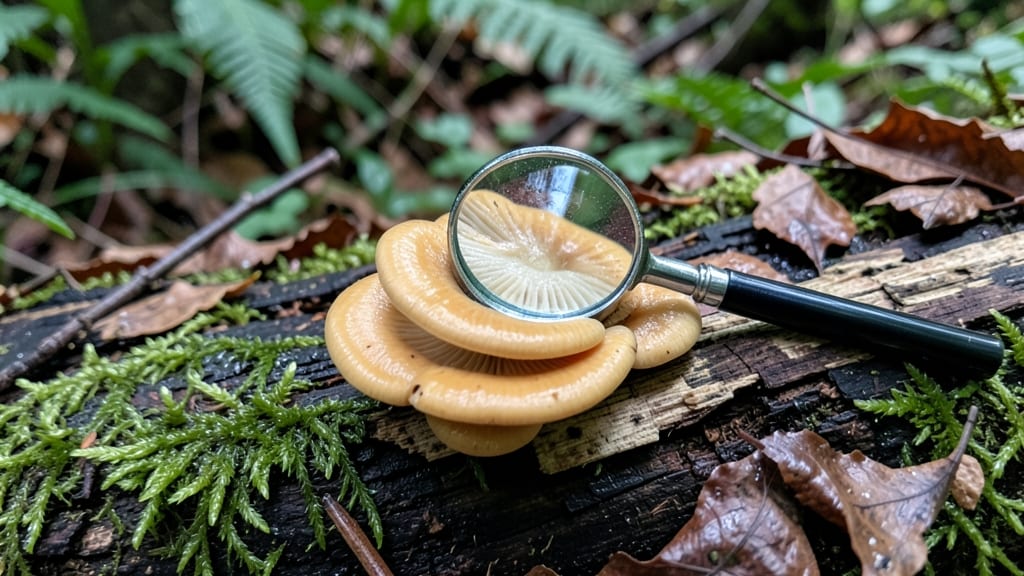
Mastering garden fungus identification can mean the difference between a thriving harvest and ruined crops—here’s how to spot the red flags before they strike. 🌱 I’ve lost entire tomato crops to blight and watched roses defoliate from rust—until I learned these telltale signs: powdery white coatings, orange pustules, or greasy black spots.
The key is acting within 48 hours, and this guide cuts through the guesswork.
Most fungi thrive in damp, crowded spaces, so prevention starts with airflow—prune thick branches, space plants properly, and water at the base. Rust shows up as orange dots on undersides of leaves, while powdery mildew leaves a chalky film.
Blight? Look for dark, crinkled patches that spread like ink in water.
You’ll diagnose problems faster by checking leaf patterns and spore colors—rust’s orange pustules, mildew’s white fuzz, or blight’s oily lesions. Once you spot these, act immediately with copper fungicide or baking soda spray (1 teaspoon per quart of water).
For stubborn cases, call a local extension office before it’s too late.
This works for tomatoes, roses, and even houseplants—just match the symptoms to the solutions. No more guessing whether to pull the plant or spray. Let’s get your garden back to healthy in no time.
Root Causes of Fungal Growth
Fungal infections in gardens aren’t random—they thrive when specific conditions align, often tied to environmental or cultural factors. Understanding these triggers helps you prevent (or at least manage) outbreaks before they spread. Here’s why fungi take over your garden like uninvited houseguests—and how to kick them out for good.
Fungi love moisture—too much moisture. When soil stays soggy for days, spores germinate and spread rapidly. Poor drainage (like compacted or clay-heavy soil) traps excess water, creating the perfect fungal buffet.
- Why it happens: Most fungi need 12–24 hours of wetness on plant surfaces or in soil to infect. Overhead watering (especially in the evening) keeps leaves damp overnight, while underwatering can stress plants, making them more susceptible to fungal attacks.
- Actionable fix:
- Water deeply but infrequently—aim for 1–2 inches per week (check soil moisture with your finger; if the top inch is dry, it’s time).
- Use drip irrigation or soaker hoses to avoid wetting foliage.
- Amend heavy clay soil with compost or perlite to improve drainage.
Fungi are the opportunistic neighbors of your garden—thriving in warm, muggy weather. Think of them as tropical vacationers that overstay their welcome.
- Why it happens: Most fungal pathogens (like Botrytis or Powdery Mildew) prefer temperatures between 60–85°F (15–30°C) with high humidity (>75%). Rainy seasons or dense plant canopies (which trap moisture) accelerate spore release.
- Actionable fix:
- Space plants 3–6 inches apart for airflow—fungi can’t spread if they’re not in a crowded, steamy sauna.
- Water early in the day so foliage dries by evening.
- Use row covers or shade cloth in humid climates to reduce spore splash.
Leaves, mulch, and old plant matter aren’t just “garden clutter”—they’re fungal hotels. Spores hibernate in dead material, ready to reinfect when conditions are right.
- Why it happens: Organic debris provides food and shelter for fungi. For example:
- Phytophthora (root rot) thrives in wet mulch.
- Rhizoctonia survives in old plant stems and soil.
- Actionable fix:
- Remove all plant debris (including fallen leaves) from beds and compost piles. Do not leave infected plants in the garden.
- Use sterilized tools (bleach solution: 1 part bleach to 9 parts water) when pruning.
- Choose clean mulch (like shredded hardwood) and keep it 2–3 inches away from plant stems.
Healthy plants resist fungi—stressed ones are like open doors. Over-fertilizing, nutrient deficiencies, or pest damage make plants prime targets.
- Why it happens: Fungi exploit plants with:
- Nitrogen deficiency (yellowing leaves = fungal buffet).
- Physical damage (chewed leaves, cracked stems) from pests or hail.
- Over-fertilizing (especially with high-nitrogen fertilizers), which promotes soft, succulent growth fungi love.
- Actionable fix:
- Test soil and balance nutrients—aim for a 2-1-1 NPK ratio (nitrogen-phosphorus-potassium) for most plants.
- Apply compost or worm castings to boost natural resistance.
- Monitor for pests (like aphids or slugs) and treat early to prevent secondary fungal infections.
Some fungi are already in your soil, lying dormant until the perfect storm hits. Others hitchhike in from neighboring gardens, tools, or even your shoes.
- Why it happens:
- Persistent spores (like Verticillium wilt) can survive for years in soil.
- Contaminated amendments (e.g., untreated manure or infected compost) introduce new pathogens.
- Monoculture planting (growing the same crop yearly) exhausts soil defenses, making fungi dominant.
- Actionable fix:
- Rotate crops annually to starve soilborne fungi.
- Solarize soil in late summer (cover with clear plastic for 4–6 weeks) to kill spores.
- Avoid fresh manure—use well-aged compost (3+ months) instead.
Quick Fixes for Fungal Foes
Fungal infections in your garden can feel like a losing battle, but with the right approach, you can restore your plants to health—and keep them thriving long-term. Below, we’ve mapped common causes to practical solutions, from immediate fixes to prevention strategies that work.
Think of this as your go-to troubleshooting guide, tailored to the most frequent fungal troublemakers.
Cause: Overhead watering, poor airflow, or humid conditions create the perfect breeding ground for powdery or downy mildew.
How to Fix It:
- 🔥 Trim & Clean: Remove severely infected leaves or stems immediately to prevent spread. Use pruners dipped in rubbing alcohol for hygiene.
- 🌬️ Boost Airflow: Space plants farther apart or add trellises to improve circulation. A small fan on low can help dry foliage faster in containers.
- ☀️ Sunlight Strategy: Move susceptible plants (like impatiens or squash) to sunnier spots. Fungi hate UV light—it disrupts their spores.
- 💧 Water Wisely: Water at the base in the morning (not evening) to let foliage dry quickly. Avoid sprinklers that mist leaves.
Prevention Tip: 🌡️ Preventative Sprays – Mix 1 tablespoon of baking soda + 1 teaspoon of dish soap in a gallon of water. Spray on leaves weekly during humid months.
Cause: Cool, wet weather + susceptible plants (tomatoes, potatoes, peppers) create ideal conditions for late blight or early blight.
How to Fix It:
- 🔪 Prune Aggressively: Cut off and destroy (don’t compost!) infected leaves or fruits. Disinfect tools between cuts.
- 🍳 Copper Fungicide: Apply a store-bought copper-based spray (like Bonide Copper Fungicide) every 7–10 days until symptoms vanish.
- 🌱 Crop Rotation: If blight strikes, avoid planting nightshades (tomatoes, peppers, potatoes) in the same spot for 3 years.
- 🥗 Soil Health: Add compost or aged manure to strengthen plant immunity. Healthy roots = better resistance.
Prevention Tip: ✨ Resistant Varieties – Choose blight-resistant tomato varieties like ‘Mountain Merit’ or ‘Defiant PhR.’
Cause: Overwatering, compacted soil, or poor drainage drown roots, inviting fungi like Phytophthora or Pythium.
How to Fix It:
- ⏰ Drainage Check: Amend soil with perlite, sand, or compost to improve aeration. For containers, ensure pots have drainage holes.
- 💦 Water Less: Let the top 1–2 inches of soil dry out between waterings. Stick your finger in—if it’s soggy, wait.
- 🌱 Repot If Needed: For severely infected plants, trim blackened roots, treat with a hydrogen peroxide soak (1 part 3% H₂O₂ to 4 parts water for 10 minutes), and repot in fresh, sterile soil.
- 🍄 Fungicide Soak: Soak roots in a 1:10 ratio of vinegar to water for 10 minutes before repotting (rinse after).
Prevention Tip: 💡 Raise Beds – Elevate containers or create raised beds to prevent waterlogging.
Cause: Fungal spores splash onto leaves from soil or water, thriving in warm, wet conditions.
How to Fix It:
- 🧹 Clean-Up Crew: Rake and remove fallen leaves regularly. Fungi overwinter in leaf litter.
- 🍳 Homemade Spray: Blend 1 garlic bulb + 1 quart of water, strain, and spray on leaves. Garlic’s sulfur compounds deter fungi.
- 🛡️ Protective Barrier: Apply a mulch ring around plants to keep spores from splashing up.
- 🔄 Remove & Replace: For ornamental plants, replace heavily spotted leaves with healthy cuttings.
Prevention Tip: 🎯 Targeted Watering – Use a soaker hose or drip irrigation to avoid wetting foliage.
If fungi have taken over 50% of your plant:
- 🔥 Quarantine: Isolate the plant immediately to stop spores from spreading.
- 💀 Sacrifice or Save: For prized plants, try a last-resort fungicide (e.g., neem oil or systemic fungicide like Myclobutanil).
- 🌱 Start Fresh: If the plant is beyond saving, pull it up and sterilize the soil with solarization (cover with clear plastic for 4–6 weeks in sun).
Final Pro Tip: 🌱 Fungal-Free Habits
- Rotate crops yearly to starve soil-borne fungi.
- Test your soil—pH imbalances (too acidic/alkaline) weaken plants.
- Encourage predators like ladybugs or predatory mites, which feed on fungal pests.
With these fixes, your garden can bounce back faster than you think. The key? Act fast, stay consistent, and give your plants the airflow and sunlight they crave. 🌿✨
Frequently asked questions about garden fungal issues
How can I tell if my plant has fungus or just needs more water?
Check for distinct patterns: Fungal infections often show up as powdery white coatings (mildew), orange pustules (rust), or greasy black spots (blight). Wilting from thirst usually starts with drooping leaves but no visible spots or growths. If you see fuzzy textures or discoloration, it’s likely fungus—act fast with copper spray or baking soda solution.
Can I use vinegar to treat fungal infections on my plants?
Yes, but with caution! A 1:10 ratio of white vinegar to water spray can help deter mild infections, but it’s not a cure-all. For severe cases, use it as a soak for roots (10 minutes, then rinse) before repotting. Vinegar’s acidity disrupts fungal spores, but avoid spraying directly on leaves—it can burn tender foliage.
Why does fungus keep coming back even after I treat it?
Fungi often return because spores linger in soil, mulch, or old plant debris. Remove all infected material and sterilize tools between cuts. Rotate crops yearly and improve airflow—fungi thrive in crowded, damp spaces. For stubborn cases, solarize soil (cover with clear plastic for 4–6 weeks) to kill dormant spores.
Are there any plants that naturally resist fungal diseases?
Marigolds, garlic, and chives repel fungi with natural compounds. For vegetables, try blight-resistant tomato varieties like ‘Defiant PhR’ or ‘Mountain Merit.’ Herbs like oregano and thyme also boost soil health, making plants less susceptible. Companion planting these near vulnerable crops can cut fungal risks by up to 50%.
When should I call a professional instead of treating myself?
Seek expert help if 50%+ of your plant is infected, the fungus spreads despite treatments, or you suspect soilborne diseases like Verticillium wilt. Local extension offices often offer free soil tests and targeted solutions. For high-value crops (e.g., fruit trees), professional fungicides may be needed to save the harvest.