Tools
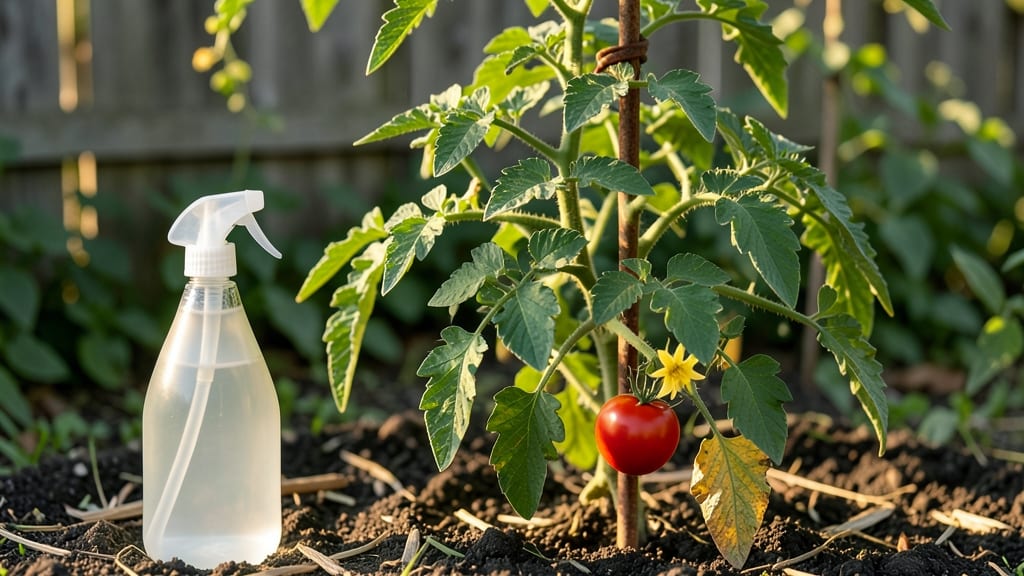
Garden tomato problems like blossom drop and cracked fruit can turn your hard work into disappointment—unless you know the quick fixes that actually work. 🌱 I’ve seen entire harvests ruined by these issues, but the right adjustments can save your plants mid-season.
The culprits are usually heat stress, inconsistent watering, or nutrient imbalances—all fixable with simple tweaks. A sudden temperature swing from 90°F days to 50°F nights? That’s why blossoms fall.
Too much water one day, none the next? That’s why fruit cracks. The good news? These problems respond fast to targeted care.
By the end of this, you’ll spot the early signs and stop them before they ruin your harvest. No more wasted effort—just lush, productive plants with firm, unblemished tomatoes ready to pick. Let’s get those vines back on track.
Whether you’re dealing with blight, pests, or environmental stress, these solutions work for both organic and conventional gardeners. No complicated setups—just practical steps that deliver results in days, not weeks.
Root Causes Of Tomato Troubles
Garden tomatoes are a gardener’s pride—until they start acting up. Blossom drop and cracked fruit aren’t just random misfortunes; they’re often clear signals from your plants that something’s off.
Understanding why these issues happen is the first step to fixing them. Below, we break down the science behind the most common tomato woes and what triggers them.
Tomatoes are warm-weather plants, but they have a very narrow comfort zone. When temperatures dip below 55°F (13°C) or soar above 90°F (32°C), your plants throw a fit—and your fruit pays the price.
- Cold Stress: Chilly nights or early spring/fall planting shock the plant, causing blossom drop. The flowers simply abort before setting fruit because the plant’s energy shifts to survival instead of reproduction. This is especially common in regions with unpredictable spring weather.
- Heat Stress: When daytime temps hit 90°F+ (32°C+), pollen production grinds to a halt. Even if flowers form, they may fail to pollinate, leading to blossom drop. High heat also causes sunscald on fruit, making them prone to cracking later.
- Rapid Temperature Changes: A 10°F (5°C) swing in a single day can confuse the plant’s hormonal balance, triggering ethylene gas release—a natural plant hormone that signals fruit drop when conditions are unstable.
💡 Pro Tip: Use row covers for early planting or shade cloth during heatwaves to keep temps stable. Mulching also helps regulate soil temperature.
Water is the lifeblood of tomatoes, but imbalance is a fast track to problems. Both underwatering and overwatering disrupt the plant’s ability to absorb nutrients and maintain cell structure—leading to blossom drop and cracked fruit.
| Issue | Why It Happens | Result |
|---|---|---|
| Underwatering | Drought stress causes the plant to transpire faster than it can absorb water, leading to wilting and nutrient deficiency. The plant prioritizes keeping leaves alive over fruit development. | Blossom drop (flowers dry up), small, hard fruit, and sunken cracks from uneven water absorption. |
| Overwatering | Excess water drowns roots, cutting off oxygen and causing root rot (often from Phytophthora or Pythium fungi). It also leaches nutrients from the soil. | Blossom end rot (calcium deficiency), soft, mushy fruit, and radial cracks from rapid water uptake. |
| Inconsistent Watering | Fluctuating moisture levels disrupt calcium uptake, leading to cell wall weakness. The fruit can’t expand evenly, causing cracks as it grows. | Radial cracks (star-shaped) or longitudinal cracks (vertical splits). |
🎯 Fix It: Water deeply 1-2 times per week (1-1.5 inches total) rather than daily shallow sessions. Use drip irrigation or soaker hoses to keep moisture consistent.
Tomatoes are heavy feeders, and they need a precise mix of nutrients to thrive. When one element is missing—or in excess—the plant sends out distress signals, often in the form of blossom drop or poor fruit development.
- Nitrogen (N) Excess:
Too much nitrogen (from fresh manure or over-fertilizing) promotes leafy growth at the expense of fruit. The plant puts energy into foliage instead of flowers, leading to fewer blossoms and blossom drop.
- Calcium (Ca) Deficiency:
Calcium is essential for cell wall strength. When soil pH is too high (>7.0) or too low (<5.5), or if watering is inconsistent, the plant can’t absorb enough calcium. This causes:
- Blossom end rot (brown, leathery spots on the fruit’s bottom).
- Cracked fruit (cells can’t expand properly).
- Potassium (K) or Phosphorus (P) Deficiency:
These nutrients are critical for flower and fruit development. A lack of potassium leads to weak stems and poor pollination, while phosphorus deficiency stunts root growth, causing blossom drop.
💡 Pro Tip: Test your soil and amend with calcium-rich materials (crushed eggshells, gypsum) or a balanced fertilizer (like 5-10-10). Avoid fresh manure—it can burn roots and throw off nutrient balance.
Hidden invaders can sap your tomatoes’ strength before you even notice. Pests and pathogens don’t just damage fruit—they stress the plant, triggering it to drop blossoms or produce deformed, cracked tomatoes.
- Sap-Sucking Pests (Aphids, Whiteflies, Spider Mites):
These pests inject toxins and reduce photosynthesis by feeding on plant sap. The plant responds by aborting flowers to conserve energy, leading to blossom drop.
- Fungal Diseases (Early Blight, Late Blight, Powdery Mildew):
Fungi like Alternaria solani (early blight) clog stomata (leaf pores), preventing gas exchange. This starves the plant and causes blossom drop. Late blight (the same fungus that caused the Irish potato famine) can rot fruit before it ripens, while powdery mildew weakens the plant’s ability to support fruit.
- Root-Knot Nematodes:
These microscopic worms burrow into roots, creating galls that block water and nutrient uptake. The plant can’t sustain fruit growth, leading to small, cracked tomatoes or blossom drop.
🔥 Prevent It: Use
Quick Fixes for Common Tomato Troubles
Got ailing tomatoes? Don’t toss the harvest just yet! With the right fixes, you can revive your plants and salvage your crop. Below, we break down practical solutions for the most common garden tomato problems—from blossom drop to cracked fruit—plus prevention tips to keep your tomatoes thriving next season.
Blossom drop happens when flowers fall off before turning into fruit, usually due to environmental stress or nutritional imbalances. Here’s how to stop it:
🔥 Cause: Temperature Stress (Too Hot or Too Cold)
- Fix: Keep daytime temps between 70–85°F (21–29°C). If nights dip below 55°F (13°C), use row covers or black plastic mulch to insulate roots.
- Prevention: Plant heat-tolerant varieties like ‘Solar Fire’ or ‘Heatmaster’.
Avoid planting too early in cool climates.
💧 Cause: Irregular Watering (Drought or Overwatering)
- Fix: Water deeply 1–2 times per week (1–2 inches per week) instead of daily shallow sprinkles. Use drip irrigation to keep soil moisture steady.
- Prevention: Mulch with straw or grass clippings to retain moisture and regulate soil temp.
🌿 Cause: Nutrient Deficiency (Too Much Nitrogen, Not Enough Phosphorus/Potassium)
- Fix: Switch to a balanced fertilizer (10-10-10 or 5-10-10) when flowers appear. Add bone meal or compost for phosphorus to encourage fruiting.
- Prevention: Do a soil test before planting. Avoid over-fertilizing with nitrogen-heavy mixes (like lawn fertilizer).
🌡️ Cause: Sudden Environmental Shifts (Wind, Rain, or Heatwaves)
- Fix: Use windbreaks (like cornstalks or mesh screens) and shade cloth (30–50%) during extreme heat.
- Prevention: Stake or cage plants early to reduce stress from wind damage.
Cracked tomatoes aren’t dangerous to eat, but they’re unsightly and can attract pests. Here’s how to prevent and minimize splits:
🍳 Cause: Uneven Watering (Too Much Too Fast)
- Fix: Water consistently—never let soil dry out completely, then soak again. Use mulch to slow evaporation.
- Prevention: Water early in the morning to reduce evening moisture stress.
🌡️ Cause: Extreme Temperature Swings (Hot Days, Cool Nights)
- Fix: Provide afternoon shade during heatwaves with lightweight shade cloth. Use black plastic mulch to warm roots in cool weather.
- Prevention: Choose crack-resistant varieties like ‘Mountain Merit’ or ‘Better Boy’.
💡 Cause: Over-Fertilizing (Especially Nitrogen)
- Fix: Reduce nitrogen-heavy fertilizers once fruit sets. Switch to a potassium-rich fertilizer (like 0-0-50) to strengthen cell walls.
- Prevention: Follow the label instructions—more isn’t better!
🥘 Quick Harvest Hack: Pick Early & Use Fast!
If cracks are already forming, harvest tomatoes early (when still slightly green) and ripen indoors. Use them in sauces, soups, or salsas where appearance doesn’t matter!
- 💡 Prune wisely: Remove suckers (side shoots) to improve airflow and reduce disease risk.
- ✨ Rotate crops: Avoid planting tomatoes in the same spot yearly to prevent soil-borne diseases.
- 🎯 Monitor pests: Watch for hornworms, aphids, and whiteflies—handpick or use neem oil if needed.
- 🌡️ Know your variety: Some tomatoes (like cherries) are more prone to cracking—choose wisely!
With these fixes, your tomato plants should bounce back stronger, and your harvest will be plump, crack-free, and ready to enjoy! 🍅🔥
Frequently asked questions about garden tomato issues
Why do my tomato flowers keep falling off before fruiting?
This is called blossom drop, and it’s usually caused by temperature swings (below 55°F or above 90°F), inconsistent watering, or too much nitrogen fertilizer. The plant aborts flowers when stressed. Try using row covers for cold nights or shade cloth during heatwaves to stabilize conditions.
Can I still eat tomatoes that have cracked skin?
Yes! Cracked tomatoes are safe to eat—they just look less appealing. The cracks happen from uneven water absorption due to inconsistent moisture or rapid growth. Harvest them early (when slightly green) and use them in sauces or cooking where appearance doesn’t matter.
What’s the best way to prevent blossom end rot in my tomatoes?
Blossom end rot is caused by calcium deficiency, often from uneven watering or high soil pH. Keep soil consistently moist (1-2 inches per week), add crushed eggshells or gypsum for calcium, and maintain a soil pH between 6.0-6.8. Mulching helps stabilize moisture levels.
Are my tomato plants getting enough sunlight?
Tomatoes need 6-8 hours of direct sunlight daily. If leaves turn yellow or plants grow leggy, they’re not getting enough light. Move plants to a sunnier spot or prune nearby shade sources. Varieties like ‘Solar Fire’ tolerate heat better but still need full sun.
How do I know if my tomato problems are from pests or disease?
Pests like aphids or hornworms leave visible damage (chewed leaves, sticky residue), while diseases cause spots (early blight), mold (powdery mildew), or wilting. Check undersides of leaves and stems first. Use neem oil for pests or copper fungicide for diseases—always treat early to prevent spread.