Advice
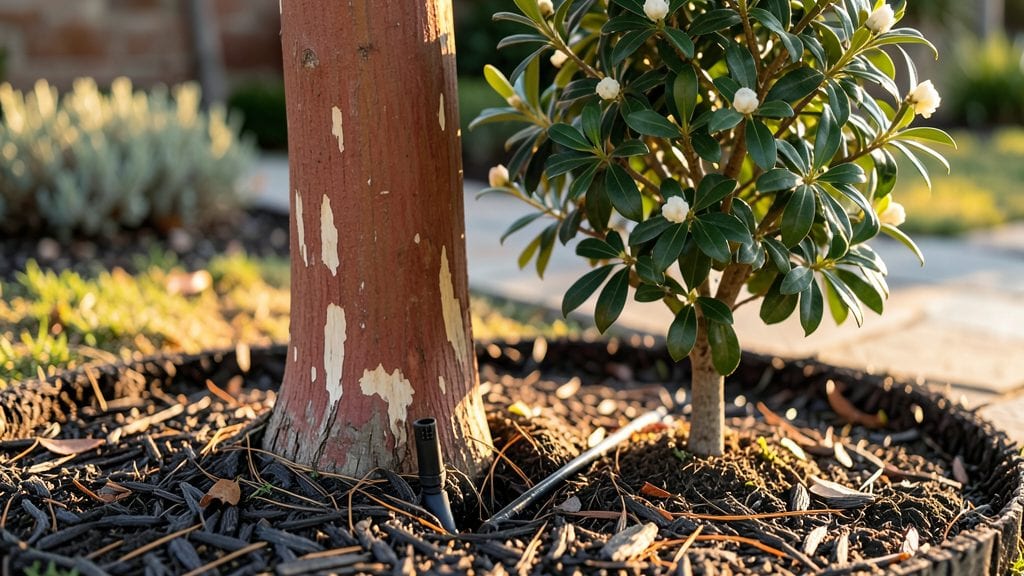
Gardening in Northern California thrives in diverse microclimates—from foggy coastal regions to hot inland valleys—requiring zone-specific plant selection, soil adjustments, and seasonal timing to maximize yields and resilience. Coastal areas favor drought-tolerant natives, while inland zones support Mediterranean herbs and fruit trees with proper irrigation strategies.
Northern California's gardening success hinges on understanding these microclimates—where coastal areas like San Francisco experience 60% less sunlight in summer due to fog, while inland zones like Sacramento can hit 105°F during heatwaves. 🌿 The key is matching plants to these conditions: coastal gardens excel with manzanita bushes and coyote brush, while inland spaces thrive with fig trees and olives that need consistent moisture.
Even within cities, urban heat islands create pockets where traditional garden plants struggle—this is why local nurseries often recommend native varieties over imported species.
What sets Northern California apart is how quickly conditions change between zones just 20 miles apart. For example, tomatoes might flourish in the Sacramento Valley but bolt prematurely in the Bay Area's cooler summers. The solution?
Start with soil tests to identify pH and nutrient needs, then adjust with compost or organic amendments. I've found that drip irrigation systems with timers save water while preventing fungal issues from overhead watering—a game-changer for both coastal and inland gardens.
💡 In This Article
- Northern California Microclimate Zones Explained
- Top 10 Plants Thriving in Northern California Gardens
Northern California microclimate zones explained
Northern California's gardening landscape is shaped by dramatic temperature gradients that create distinct growing zones. The USDA plant hardiness map here ranges from zone 7b in cooler coastal hills to zone 10a in protected inland valleys, with a 10-15°F difference between these extremes.
The Pacific Ocean acts like a thermostat, creating the famous coastal fog that can drop daytime temperatures 20°F lower than inland areas just 50 miles away—this is why San Francisco's summer highs average 65°F while Sacramento hits 95°F on the same day.
The coastal fog isn't just about temperature—it's a water delivery system that provides 10-20 inches of annual moisture without rain. This creates ideal conditions for native plants like coyote brush and toyons that thrive with minimal irrigation.
Meanwhile, inland heat islands in cities like Sacramento experience 5-10°F warmer nights due to urban concrete absorbing heat, which extends growing seasons by 2-3 weeks compared to rural areas.
The Sierra foothills add another layer, where elevation changes can create microclimates within yards—a south-facing slope might be zone 9b while a north-facing area remains zone 8a.
Frost dates are another critical factor that varies wildly. Coastal areas typically see their last spring frost by March 15, while inland valleys can plant 3 weeks later due to warmer soils.
The Sierra foothills present unique challenges with radiation frosts that can occur even when valley temperatures are mild—this is why fruit growers there use wind machines and smudge pots to protect blossoms.
What most gardeners don't realize is how these frost patterns create elevation-based planting windows—you might plant tomatoes in the valley by April 15 but need to wait until May 10 at 2,000 feet elevation.
Soil moisture availability creates another critical divide. Coastal gardens often have well-draining sandy loam with 2-3 inches of topsoil, requiring mulching to retain what little moisture exists. In contrast, the Sacramento Valley's clay-heavy soils hold water for weeks, demanding amendments like compost or gypsum to prevent root rot.
This is why drip irrigation systems with soil moisture sensors have become essential—coastal gardens need weekly watering while inland areas might only need biweekly applications during summer.
Understanding these zones means selecting plants that match both temperature and moisture conditions. For example, rosemary and lavender thrive in coastal zone 9b gardens but may struggle in zone 10a heat without afternoon shade.
Similarly, artichokes need the cooler coastal summers to develop properly, while fig trees require the 100°F+ heat of inland valleys. The key is observing how plants perform in your specific microclimate—what works in a San Francisco backyard might fail 20 miles inland.
Here's what actually happens when you ignore these zones: Coastal gardeners often overwater Mediterranean herbs that need drought conditions, while inland growers struggle with fungal diseases from overly moist soils.
The solution is simple—start with a soil test to understand your specific conditions, then match plants to those realities. I've found that native plant nurseries often have the best local knowledge about which varieties will thrive in your particular microclimate. 🌿