Vegetables
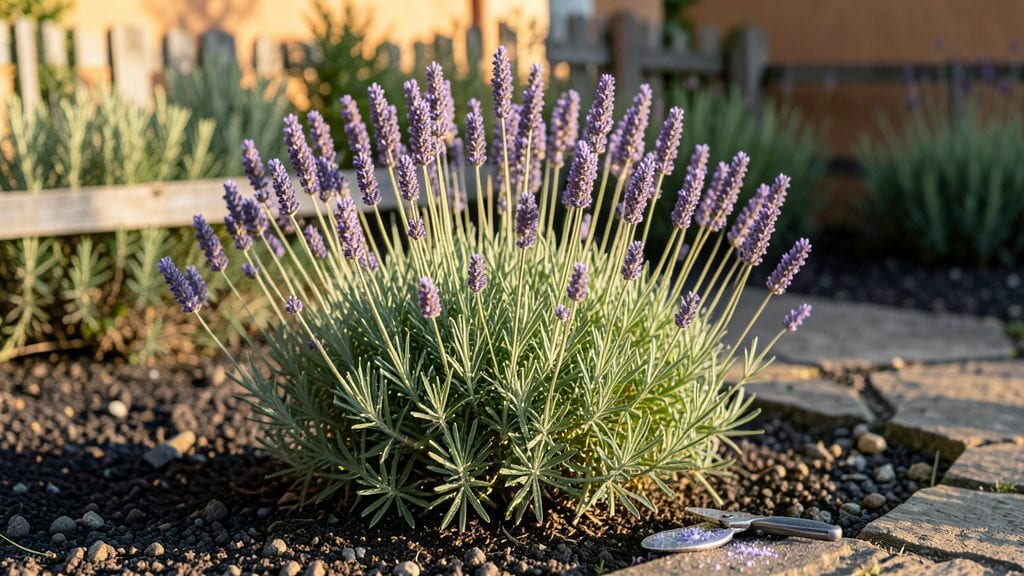
Barcelona gardens combine Mediterranean aesthetics with eco-conscious design, showcasing hardy plants like lavender and bougainvillea alongside striking tilework and secluded patios. The city's unique climate and urban constraints drive layouts that prioritize water conservation and native vegetation such as rosemary and olive trees.
Barcelona’s gardens thrive on a clever mix of practicality and beauty, where every plant serves both form and function. 🌿 The city’s coastal and inland microclimates create ideal conditions for drought-tolerant species, while urban spaces often use vertical gardening to maximize greenery without sacrificing square footage.
Many designers incorporate traditional Catalan elements like terracotta pots and mosaic tiles, which not only enhance visual appeal but also help regulate temperature in small outdoor areas.
What truly sets these gardens apart is their ability to transform even the most compact balconies into lush retreats. Techniques like xero-jardineria (dry landscaping) and strategic shade placement allow homeowners to maintain vibrant gardens with minimal water use.
The result? A harmonious blend of Mediterranean heritage and modern sustainability that works just as well in a city apartment as it does in a sprawling countryside estate.
💡 In This Article
- Barcelona’s Climate and Plant Selection Guide
- Designing Urban Barcelona-Inspired Gardens
Barcelona’s climate and plant selection guide
Barcelona’s gardens flourish because the city sits at the crossroads of two distinct Mediterranean microclimates: the coastal zone with its mild, humid breezes and the inland areas with hotter, drier summers.
Coastal regions like Barceloneta experience average summer temperatures around 75-80°F with higher humidity (60-70%), while inland neighborhoods can hit 95°F with arid conditions. This creates perfect conditions for drought-resistant plants that thrive on minimal water while handling occasional heat spikes.
The key to successful plant selection lies in understanding these microclimates. Coastal areas support moisture-loving Mediterranean species like rosemary and lavender, which tolerate occasional humidity but still require well-draining soil.
Inland zones demand true xerophytes such as bougainvillea and olive trees, whose thick leaves and deep root systems store water during dry spells.
The soil in Barcelona is typically calcareous and slightly alkaline (pH 7.5-8.5), which explains why citrus trees and herbs like thyme—both naturally adapted to alkaline conditions—thrive here.
What most people don’t realize is how humidity affects garden layout. In coastal areas, designers maximize shade with pergolas or climbing vines to prevent leaf scorch, while inland gardens often use gravel mulch and terracotta pots to reflect sunlight and reduce evaporation.
The city’s 15-20 inches of annual rainfall (mostly in autumn/winter) means irrigation systems are typically low-flow drip lines that deliver water directly to roots, mimicking natural Mediterranean rainfall patterns.
Seasonal care is equally critical. Spring brings 10-12 hours of daylight, ideal for planting, while summer’s 14+ hours of sun requires afternoon shade for delicate species.
Autumn’s mild temperatures (60-70°F) are perfect for pruning, and winter’s rare frosts (32°F) only affect tender plants like bougainvillea, which can be protected with burlap wraps.
The city’s urban heat island effect—where pavement raises temperatures by 5-10°F—means container gardens often need 10-15% more water than ground-planted ones.
For urban or suburban plots, replicate these conditions by:
- Soil prep: Amend native soil with 30% perlite or pumice to improve drainage
- Watering: Use drip irrigation timed for early morning (4-6 AM) to reduce evaporation
- Shade solutions: Install 50% shade cloth for sensitive species in full sun
- Native alternatives: Substitute non-native plants with Cistus (rockrose) or Phlomis (lamb’s ear) for similar drought tolerance
Here’s what’s actually happening with Barcelona’s iconic olive trees: Their small, leathery leaves minimize water loss through transpiration, while their extensive root systems can reach 10-15 feet deep to access groundwater.
This adaptation explains why they’re the backbone of both rural and urban Barcelona gardens—capable of surviving on half the water needed by lawn grasses while providing year-round structure and shade.