Watering
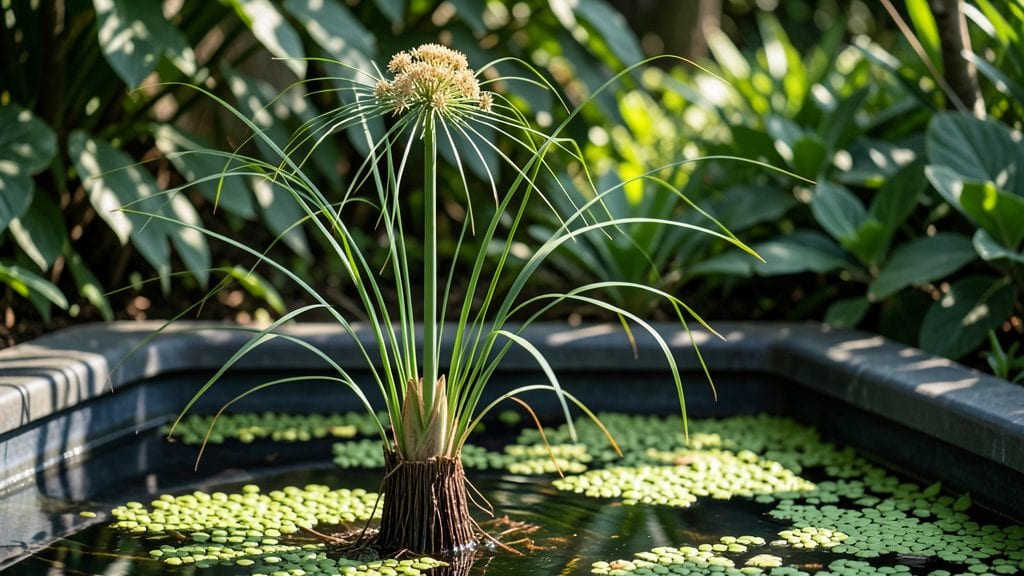
A water garden tub creates a self-sustaining mini ecosystem by balancing aquatic plants, fish, and filtration to maintain clean water and support biodiversity. Choose a tub with at least 10 gallons for small plants or 20+ gallons for fish, ensuring proper drainage and sunlight exposure.
A water garden tub isn't just a decorative piece—it's a living, breathing system where every element plays a role in keeping the environment stable. 🌿 The right plants, like floating water hyacinths or submerged hornwort, naturally filter impurities while providing oxygen for fish, while a small pump or biofilter handles the rest.
I've seen even tiny 5-gallon tubs thrive with just a few hardy plants and a single betta fish, proving that size doesn't limit creativity.
What makes these systems so rewarding is how they evolve over time. A well-balanced tub will develop its own microclimate, with plants outcompeting algae and fish contributing to nutrient cycling through their waste.
The key is starting small—perhaps with a plastic tub for beginners—and gradually expanding as you learn what works best for your space and climate.
💡 In This Article
- Balancing Aquatic Plants and Fish in Water Garden Tubs
- Selecting the Right Water Garden Tub for Your Space and Needs
Balancing aquatic plants and fish in water garden tubs
Here's what's actually happening in a thriving water garden tub: aquatic plants and fish form a symbiotic relationship where oxygen production and consumption must stay in perfect balance.
Plants like hardy water lilies and floating water hyacinths perform photosynthesis during daylight hours, releasing oxygen while absorbing carbon dioxide and nutrients like nitrates from fish waste. Meanwhile, fish like goldfish or koi consume oxygen and produce waste that feeds the plants—creating a natural filtration system. 💫
The key factor is the root zone created by submerged plants. Species like hornwort or anacharis develop dense root systems that trap debris and provide surface area for beneficial bacteria to colonize, breaking down toxic ammonia from fish waste into less harmful nitrites and nitrates.
This process, called the nitrogen cycle, is what keeps water parameters stable. Floating plants add another layer by shading the water to prevent algae blooms, which can occur when sunlight hits nutrient-rich water without competition from other plant life.
What most people don't realize is how plant placement affects water chemistry. Submerged plants thrive in low-light conditions (6-8 hours of indirect sunlight daily) and help stabilize pH by absorbing excess nutrients, while floating plants like duckweed can double as natural fish food.
The science behind this involves photosynthetic efficiency: plants in a 10-gallon tub with 2-3 small fish can maintain oxygen levels around 6-8 ppm during the day, dropping to 4-5 ppm at night—just enough for most fish to survive without supplemental aeration.
When pairing plants and fish, compatibility matters. Goldfish, for example, produce more waste than bettas, requiring plants that can handle higher nutrient loads like water lettuce or water cabbage. The rule of thumb is 1 inch of fish length per gallon, but add 20-30% extra capacity for plants.
For instance, a 20-gallon tub could comfortably house a 12-inch goldfish with 3-4 hardy plants, while a 5-gallon tub might only support a single betta and 2-3 floating plants.
Temperature also plays a critical role in this balance. Most aquatic plants prefer 65-75°F, while goldfish thrive at 68-74°F. Using a submersible heater in cooler climates helps maintain consistency, but avoid exceeding 80°F, which can stress both plants and fish.
The visual difference is striking: a well-balanced tub will have vibrant green foliage, clear water, and active fish, while an imbalanced one may show yellowing leaves, cloudy water, or algae growth.
Advanced hobbyists often introduce live snails or shrimp to further enhance nutrient cycling. These creatures graze on algae and decaying plant matter, completing the ecosystem loop. The result? A self-sustaining system that requires minimal intervention beyond occasional pruning and water top-offs. 🌟