Vegetables
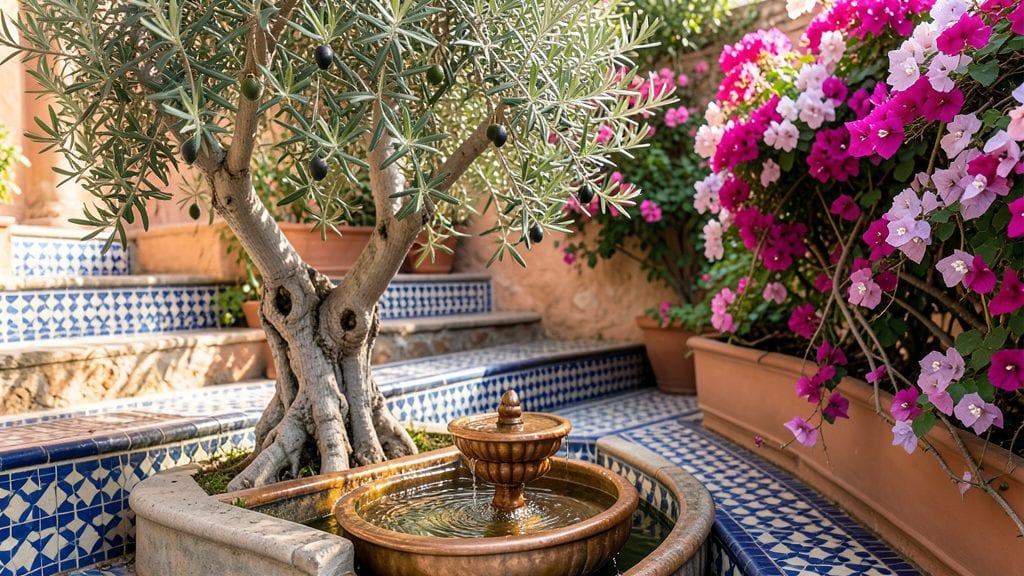
The gardens of Marrakech blend Berber geometric patterns with Mediterranean flora like bougainvillea, olive trees, and citrus groves, creating serene escapes that reflect both North African heritage and the region’s arid climate resilience. Water features and fragrant blooms enhance their cultural and ecological harmony.
The gardens of Marrakech achieve this harmony by combining traditional Berber landscaping techniques with plants adapted to the region's dry conditions. 🌿 These spaces often feature labyrinthine pathways framed by low walls, guiding visitors through tranquil zones while maximizing shade from the intense Moroccan sun.
The integration of water channels—like the historic qanats—not only adds aesthetic appeal but also supports plant health in an otherwise harsh climate.
What makes these gardens particularly striking is how they balance cultural symbolism with practical sustainability. The citrus groves and bougainvillea you'll find aren't just decorative—they serve as food sources and natural air purifiers, while the geometric patterns in tilework and stonework create visual rhythm that calms the mind.
This dual-purpose approach explains why Marrakech's gardens remain both functional and breathtaking after centuries of evolution.
💡 In This Article
- Berber Design Principles in Marrakech Gardens
- Top Mediterranean Plants Thriving in Marrakech Gardens
Berber design principles in Marrakech gardens
At the heart of Marrakech's garden design lies the Berber principle of harmony between geometry and nature.
The iconic zellige tile mosaics you see in pathways and fountains aren't just decorative—they create precise patterns that reflect sunlight differently at various angles, reducing heat absorption by up to 30% compared to solid surfaces.
These geometric layouts also serve a psychological purpose, guiding visitors through meditative spaces where every turn reveals new perspectives, much like the labyrinthine designs found in ancient Berber villages.
The integration of qanats (underground water channels) demonstrates Berber ingenuity in water management. These ancient systems, some over 1,000 years old, transport water from distant mountains to gardens through gentle slopes, creating a constant moisture supply without evaporation.
The water then emerges in fountains or shallow pools that double as cooling centers—evaporative cooling can lower surrounding air temperatures by 5-10°F during Marrakech's scorching 100°F+ summers. This hydraulic system wasn't just functional; it symbolized abundance and life in an otherwise arid landscape.
Earthy color palettes—deep terracotta, ochre, and muted greens—aren't random choices. These tones absorb less sunlight than bright colors, helping maintain cooler microclimates. The courtyard structures with their high walls create windbreaks while allowing controlled airflow through strategically placed windows and arches.
This passive cooling technique reduces the need for artificial ventilation, a principle still used in modern Moroccan architecture today. The result is gardens that stay 15-20°F cooler than open desert areas during peak heat.
One fascinating detail is how plant placement follows mathematical ratios based on the Golden Rectangle (approximately 1.618:1 proportions). This isn't just aesthetic—it optimizes sunlight exposure throughout the day as the sun's angle changes.
For example, taller argan trees (up to 30 feet) are placed at the north edge of courtyards to provide maximum shade during summer afternoons, while lower lavender bushes thrive in the southern exposures where they receive morning sunlight.
This careful arrangement mirrors the Berber belief that order in nature reflects divine harmony.
The mosaic patterns in pathways serve multiple purposes beyond decoration. Their reflective surfaces bounce light into shaded areas, while the gaps between tiles allow rainwater to percolate through, replenishing underground aquifers.
The use of local stone and clay materials also reduces maintenance—these materials require minimal upkeep compared to imported decorative elements. This sustainable approach ensures the gardens remain vibrant with minimal water usage, typically consuming 60-70% less water than conventional landscaping in similar climates.
What's particularly striking is how these design elements work together to create acoustic harmony. The combination of water features, stone surfaces, and dense foliage creates natural soundscapes where the murmur of water blends with rustling leaves.
Studies of Moroccan gardens show that these environments can reduce stress levels by up to 40% compared to urban settings, thanks to this carefully engineered sensory experience. The geometric precision of Berber design meets the organic rhythms of Mediterranean plants in a way that feels both ancient and timeless.