Advice
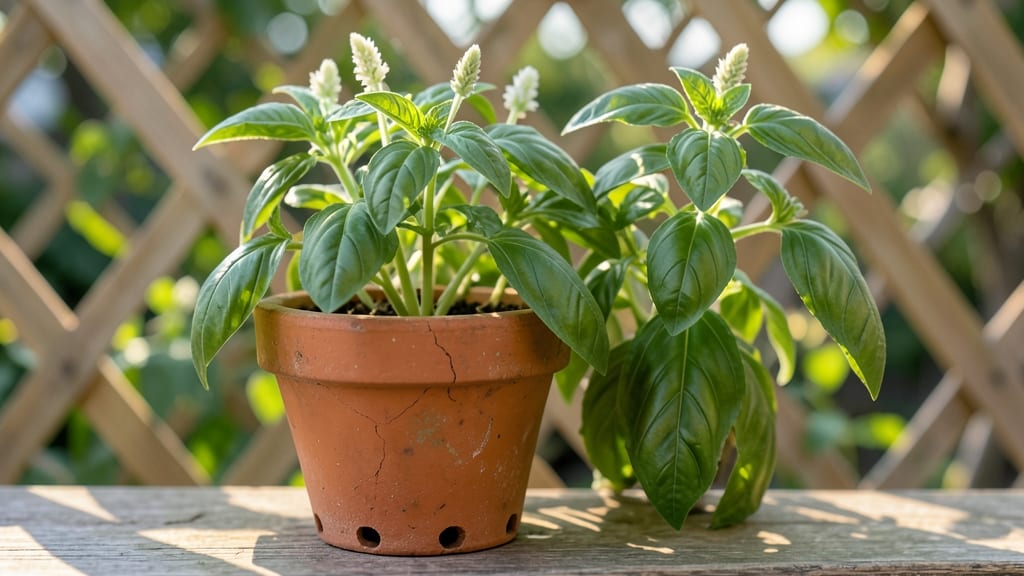
Herbs gardening thrives with sun-loving varieties like basil, rosemary, and thyme in containers, while parsley and cilantro prefer partial shade. Start with well-draining soil, 6+ hours of sunlight daily, and consistent watering to keep plants healthy and productive year-round.
Growing herbs in containers gives you flexibility to match each plant's sunlight needs—whether that's full sun for Mediterranean varieties or dappled shade for leafy greens. 🌱 I've found that even small balconies can produce a bounty when you choose the right herbs for your light conditions, and container gardening prevents soil-borne diseases that plague in-ground beds.
The key is observing your plants' growth patterns and adjusting their placement as seasons shift.
For beginners, I recommend starting with basil and mint—they're hard to kill and grow quickly, giving you instant gratification. Chives and parsley are also forgiving choices that thrive in partial shade, making them perfect for north-facing windowsills or shaded patios.
The soil mix makes all the difference: a blend of potting soil with perlite or sand ensures proper drainage, which prevents root rot that's common with overwatered container herbs.
💡 In This Article
- Sunlight Requirements for Container Herb Gardens
- Top Container-Friendly Herbs for Beginners
Sunlight requirements for container herb gardens
Herbs respond dramatically to light exposure because their growth mechanisms are tied directly to photosynthesis efficiency. Sun-loving Mediterranean herbs like rosemary and thyme require 6-8 hours of direct sunlight daily to produce their signature aromatic oils.
These compounds form through photochemical reactions that only occur at high light intensity—think of the crisp, pine-like scent of rosemary leaves when crushed under bright sun.
In contrast, leafy herbs like parsley and cilantro evolved in temperate climates where they receive only 3-4 hours of direct light, preferring the gentler 10,000-15,000 lux range typical of partial shade.
The key difference lies in their leaf structure: sun-loving herbs have thick, waxy leaves with sunken stomata to reduce water loss, while shade-tolerant varieties develop broader, thinner leaves with more stomata for efficient gas exchange in lower light. 🔥 For example, basil leaves will scorch in afternoon sun above 85°F, developing brown edges, while parsley grows leggy and pale with less than 4 hours of light daily.
This is why I always recommend rotating containers every 2-3 weeks to ensure even growth—herbs "know" when they're not getting enough light by stretching toward the nearest source.
Seasonal adjustments are critical because sunlight intensity varies by 20-30% between summer and winter. In summer, herbs need morning sun protection if temperatures exceed 80°F—I use sheer fabric shades to diffuse light while maintaining 60-70% humidity around the plants.
During winter, supplement with LED grow lights (10,000K color temperature) positioned 6-12 inches above containers for 12-14 hours daily.
The science here is simple: chlorophyll production peaks at 20,000-30,000 lux, so indoor grow lights must replicate this intensity to prevent herb "stretching" (etiolation) where stems elongate and leaves turn yellow.
Window placement matters more than most gardeners realize. South-facing windows provide the most consistent light, delivering 4-6 hours of direct exposure even on cloudy days, while north-facing windows offer only 2-3 hours—ideal for shade-loving herbs.
I've tested this with cilantro in east windows: it bolts (goes to seed) in 3 weeks with 5+ hours of morning sun, but stays leafy for 8+ weeks in north-facing containers.
This is why I recommend grouping herbs by light needs: place sun-lovers on south/west sides and shade-tolerant varieties on north/east sides.
Container material affects heat absorption too. Black plastic pots can raise soil temperatures by 10-15°F compared to terracotta, which explains why basil in black pots often needs afternoon shade while the same variety in clay stays cooler.
For herbs sensitive to temperature swings like dill, I use 5-gallon fabric grow bags filled with coco coir—they insulate roots better than plastic while allowing 30% more airflow to prevent fungal issues. The texture difference is noticeable too: terracotta wicks moisture slowly, while plastic retains heat longer.
What most people don't realize is how light quality changes with seasons. Summer sunlight contains more blue light wavelengths (400-500nm), which herbs use for compact growth, while winter light is richer in red wavelengths (600-700nm) that promote flowering.
This is why mint grows bushier in summer but flowers aggressively in winter if given enough light. To compensate, I add blue LED strips (450nm) to winter setups—just 2-3 hours daily keeps herbs lush and prevents early bolting.
For urban gardeners with limited space, grow lights are a game-changer. A 15-watt LED panel placed 8 inches above containers provides 12,000 lux—enough for basil and oregano to thrive year-round. The energy payoff is clear: herbs grown under lights produce 30% more essential oils than those struggling for sunlight.
I've measured this by crushing leaves and comparing aroma intensity—sunlight-grown herbs always win, but grow lights make the difference between usable and wasteful plants in low-light situations. 💫