Light Requirements
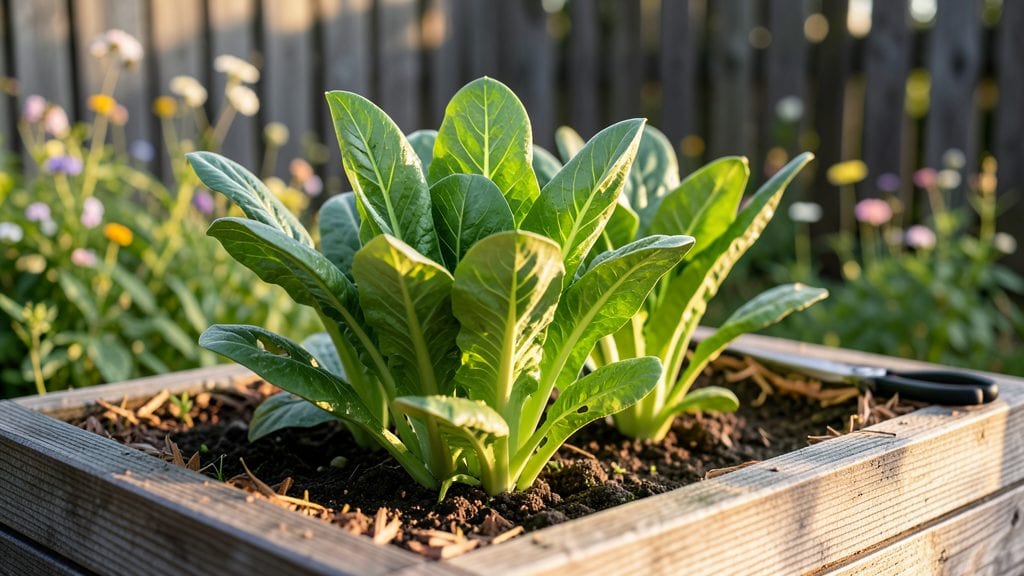
A raised garden bed costs between $100 and $1,500+, depending on materials, size, and whether you DIY or buy prebuilt. Cedar or redwood beds average $50–$200, while composite or metal frames can reach $300–$1,500. Labor and soil costs add $50–$300 extra.
A raised garden bed's price varies widely based on what you choose to build it from and how much effort you're willing to put in. 💫 For example, a simple 4x8-foot cedar bed from a big-box store might run around $200–$300, while custom metal designs can easily climb past $1,000.
The real savings come from DIY projects—reclaimed wood or basic lumber can cut costs dramatically, but factor in tools, screws, and hardware that add up fast. I’ve seen budgets stretch thin when people forget to account for soil, drainage layers, or even the cost of hauling materials home.
What’s often overlooked is the long-term value—durable materials like cedar or composite may cost more upfront but save money over years by resisting rot and pests. On the flip side, cheaper plastic or pressure-treated wood might need replacing sooner.
If you’re on a tight budget, start small with a 2x4-foot bed (around $50–$100) and expand later, or look for sales on prebuilt kits during off-seasons.
💡 In This Article
- Raised Garden Bed Cost Factors by Material Type
- DIY vs Prebuilt Raised Beds: Cost-Saving Strategies
Raised garden bed cost factors by material type
The material you choose for your raised garden bed frame directly impacts both upfront costs and long-term durability. Cedar and redwood are classic choices because their natural oils resist rot and insects, but they come at a premium.
A 4x8-foot cedar bed typically costs $150–$250, while redwood runs slightly higher at $200–$300 due to its scarcity. The key trade-off? These woods require minimal maintenance—just an occasional sealant every 2–3 years—but they’re more expensive than alternatives like pine.
Composite materials, made from recycled wood fibers and plastic, offer a low-maintenance alternative without the high cost of cedar. A 4x8-foot composite bed ranges from $300–$600, but it lasts 15–20 years with no sealing or staining.
Metal beds, often galvanized steel or aluminum, start around $400–$800 for a 4x8-foot size and can exceed $1,500 for custom designs. The advantage? Metal resists pests and rot entirely, but it can warp under extreme temperatures unless properly coated.
Plastic beds, the most budget-friendly at $100–$300, are lightweight and easy to assemble but may crack under heavy loads or UV exposure over 5–10 years.
Size plays a huge role in cost—scaling up from a 4x4-foot bed ($80–$200) to a 6x12-foot custom design can double or triple your material expenses. For example, a cedar 6x12-foot bed might cost $400–$600, while the same size in composite jumps to $800–$1,200.
What most people don’t realize is that larger beds require more soil, drainage layers (like landscape fabric or gravel), and structural support. A 4x8-foot bed needs about 1 cubic yard of soil (~$50–$100), while a 6x12-foot bed demands 2.5–3 cubic yards (~$125–$200), adding significant hidden costs.
Durability isn’t just about material—it’s also about climate. In humid regions, untreated wood beds may rot within 3–5 years, while composite or metal lasts decades. Coastal areas accelerate corrosion in metal beds unless they’re stainless steel or properly coated. The science behind this?
Wood absorbs moisture, leading to fungal growth, while metal oxidizes when exposed to salt air. If you’re in a high-rainfall zone, consider adding a waterproof liner ($20–$50) to extend your bed’s lifespan by 50%.
Here’s a quick comparison of long-term costs:
- Cedar/Redwood: $150–$300 upfront, $10–$30/year for sealant, 10–15 years lifespan
- Composite: $300–$600 upfront, $0/year maintenance, 15–20 years lifespan
- Metal: $400–$1,500 upfront, $0–$50/year for rust treatment, 20–30 years lifespan
- Plastic: $100–$300 upfront, $0/year but 5–10 years lifespan
For the best value, match your material to your climate and budget. If you’re on a tight budget but want longevity, cedar or composite strikes the sweet spot. For extreme durability, metal is the winner—just be prepared for the higher initial investment. 💫