Tools
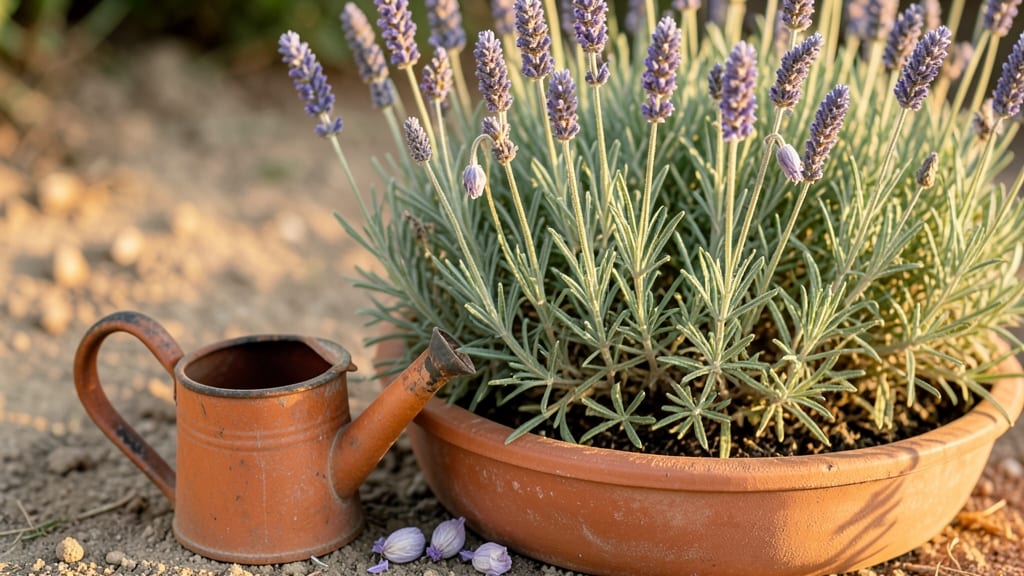
Late summer gardens demand a different approach—one that balances bold harvests with smart care to keep plants thriving as temperatures drop. 🌿 I’ve learned that this transitional season isn’t about frantic work but strategic moves: protecting late-season crops, prepping soil for fall, and choosing plants that love the cooler air.
The key is working with nature, not against it.
This isn’t about complicated routines. You’ll focus on three core tasks: harvesting heat-lovers like tomatoes and peppers before they fade, adding mulch to retain moisture, and planting cold-hardy greens for early fall.
Most gardeners overlook how simple adjustments—like adjusting watering schedules or pruning leggy herbs—can extend harvests by weeks. The payoff? A garden that stays productive even as summer fades.
By the time autumn arrives, you’ll have cleaner beds, healthier plants, and a head start on next year’s soil. The late-summer garden becomes a bridge between summer’s abundance and fall’s quiet preparation—no fuss, just results. Let’s make the most of these golden weeks before the first frost.
Whether you’re in a hot climate or a cooler zone, these techniques adapt easily. The goal isn’t perfection but sustainable success—so your garden keeps giving, even as the days grow shorter.
📚 In This Guide
- What you need
- Instructions
- Tips and common mistakes
- Wrapping up and next steps
What you need
- ● Soil: 6-8 bags of high-quality potting mix (1 cubic foot per bag) or compost-enriched garden soil (2-3 cubic yards for in-ground planting).
- ○ Optional: 1 bag of worm castings (for nutrient boost).
- ● Plants (Late Summer-Friendly): 3-5 heat-tolerant annuals (e.g., zinnias, cosmos, or sunflowers).
- ● 2-3 perennial workhorses (e.g., lavender, Russian sage, or coneflowers).
- ● 1-2 edible picks (e.g., bush beans, Swiss chard, or heat-resistant lettuce).
- ● Tools: 1 hand trowel (for precision planting).
- ● 1 garden fork (for loosening soil).
- ● 1 pruners (sharp, bypass-style for clean cuts).
- ● 1 watering can (3-5 gallon capacity) or hose with adjustable nozzle.
- ○ Optional: 1 mulch blanket (straw or shredded leaves) to retain moisture.
- ● Extras: 1 slow-release fertilizer (e.g., 10-10-10 or organic options like fish emulsion).
- ● 1 garden gloves (to protect your hands from thorns or soil).
- ○ Optional: 1 soil moisture meter (to track watering needs).
- ● ✅ Sunlight: At least 6 hours of direct sun daily (more = more blooms!).
- ● ✅ Water Access: A nearby spigot or water source (late summer = thirsty plants!).
- ● ✅ Space: Containers (minimum 12-inch depth) or in-ground beds (6x6 feet or larger).
- ● ✅ Time Commitment: 10-15 minutes daily for watering + weekly pruning.
How to design a late summer garden that thrives with minimal effort
Here's how to create a vibrant late-summer garden that delivers bold harvests while keeping maintenance simple and stress-free.
🌱 Step 1: Select Heat-Tolerant Plants for Maximum Impact
Focus on varieties that flourish in late summer's lingering warmth—think heat-loving vegetables like okra, Swiss chard, and bush beans, plus drought-resistant flowers such as zinnia, cosmos, and black-eyed Susan. These plants thrive when daytime temperatures hover around 80-90°F, so they won’t wilt under the late-season sun. I always choose determinate tomato varieties (like 'Celebrity' or 'Better Boy') because they produce heavy crops before cool weather sets in.
Skip the high-maintenance annuals like petunias or impatiens—they’ll struggle in the heat. Instead, opt for self-seeding flowers like morning glories or sunflowers, which reseed themselves for next year’s garden. This ensures your garden stays lush without extra planting work. Group plants with similar water needs together to simplify irrigation later.
☀️ Step 2: Optimize Sunlight and Soil for Late-Season Growth
Late summer means longer shadows, so position your garden to capture at least 6 hours of direct sunlight daily. If your space gets afternoon shade, focus on partial-sun plants like coleus, sweet potatoes, or dusty miller. Amend the soil with 2-3 inches of compost (from your materials list) to replenish nutrients drained by earlier crops. I like to mix in a slow-release fertilizer at planting time to feed plants steadily over the next 6-8 weeks—just follow the package rate for best results.
Test your soil’s moisture retention by digging a 6-inch hole and filling it with water. If it drains completely within 1-2 hours, your soil needs more organic matter. Add a 1-inch layer of mulch (like straw or shredded leaves) to lock in moisture and suppress weeds. This step is non-negotiable—mulch keeps roots cool and reduces watering by 30-40% during hot spells.
💧 Step 3: Water Deeply and Strategically to Beat the Heat
Late summer’s intense heat demands deep, infrequent watering to encourage strong root growth. Water once every 2-3 days (or daily in extreme heat) in the early morning to minimize evaporation. Aim for 1-1.5 inches of water per week, delivered directly to the soil—not the leaves—to prevent fungal diseases. I use a soaker hose for vegetables and a watering can with a rose attachment for flowers, as it delivers water slowly and evenly.
Check moisture by sticking your finger 2 inches into the soil. If it feels dry, water again. If it’s still damp, wait another day. Overwatering in late summer is a common mistake—it leads to root rot and weak plants. Group thirsty plants like tomatoes and peppers near your water source to streamline irrigation. Drip irrigation systems are a game-changer here, but even a well-placed hose works if you’re consistent.
✂️ Step 4: Prune and Support Plants for Continuous Harvests
Late summer is the time to prune leggy growth and pinch back flowers to redirect energy into fruit production. For tomatoes, remove suckers (the small shoots in the leaf axils) to focus the plant’s energy on ripening existing fruit. Deadhead spent blooms on flowers like zinnias to encourage another flush of vibrant blooms before frost. I also tie tall plants (like sunflowers or okra) to stakes or cages to prevent them from flopping over in storms.
Harvest regularly to keep plants productive—pick beans, peas, and lettuce every 2-3 days to encourage new growth. For herbs like basil or cilantro, trim the outer stems to encourage bushier growth. This step is often overlooked, but consistent harvesting extends the season by 2-4 weeks and keeps plants from going to seed prematurely.
🪴 Step 5: Protect Plants From Late-Season Pests Naturally
Late summer pests like aphids, squash bugs, and spider mites love stressed plants. Start with preventive measures: Spritz plants with neem oil (mixed as directed) once every 2 weeks to deter pests without chemicals. I also interplant marigolds and nasturtiums—their strong scents repel many common garden pests. For severe infestations, handpick pests off leaves in the early morning when they’re sluggish.
Monitor the undersides of leaves daily for early signs of trouble. Yellowing leaves or sticky residue (honeydew) are red flags. If you spot pests, isolate affected plants immediately to prevent spread. A strong blast of water from a hose can dislodge many soft-bodied insects, so I keep a gentle spray nozzle handy for quick fixes. This proactive approach keeps your garden thriving with zero chemical interventions.
Tips & tricks for perfect late summer garden design
Creating a thriving late summer garden isn't just about planting—it's about working with nature's rhythm. Here are the insights I've gathered after years of perfecting this approach.
Heat Tolerance Insight: When selecting your heat-loving vegetables like okra, Swiss chard, and bush beans, pay special attention to the specific variety's heat tolerance ratings. Some bush beans can handle up to 95°F while others start to struggle above 90°F. I always cross-reference seed packets with my local late-summer temperature averages to ensure a match. This precision prevents wilting mid-season. The same goes for your flowers—cosmos and zinnias are more drought-tolerant than black-eyed Susans, so position them accordingly in your garden layout.
Soil Preparation Strategy: The 6-8 week timeline for slow-release fertilizer is perfect for late summer because it aligns with the plants' most active growth period. I recommend mixing in 1/4 cup of bone meal with your compost when planting tomatoes and peppers—this adds phosphorus for root development and fruit production. For the 1-inch mulch layer, I use straw because it breaks down slowly and doesn't compact like shredded leaves, maintaining proper soil aeration throughout the season.
Watering Precision: The 2-inch soil moisture check is your best friend in late summer. I've found that using a soil moisture meter (about $15) takes the guesswork out of this—it's especially helpful for container gardens where water drains quickly. For the 1-1.5 inches per week target, I divide this into two watering sessions: 1 inch in the morning and 0.5 inches in the evening. This two-part approach prevents fungal issues while still encouraging deep root growth.
Pest Prevention Proactive: When applying neem oil every 2 weeks, I mix it with a 1% horticultural oil solution for better coverage. The key is application timing—always spray in the early morning when humidity is highest and pests are most active. For marigolds and nasturtiums, I plant them in a 3:1 ratio with my vegetables (3 parts veggies to 1 part companion plants). This creates a natural pest barrier without overwhelming your garden's aesthetic or space.
Pro Tips for Late Summer Garden
- Creating a thriving late summer garden isn't just about planting—it's about working with nature's rhythm. Here are th...
- Heat Tolerance Insight: When selecting your heat-loving vegetables like okra, Swiss chard, and bush beans, pay specia...
- Soil Preparation Strategy: The 6-8 week timeline for slow-release fertilizer is perfect for late summer because it al...
Frequently asked questions
Got questions about keeping your late summer garden thriving without the fuss? We’ve got answers!
Whether you’re troubleshooting wilting plants, wondering what to plant next, or just curious about easy-care tips, this section covers the most common concerns. Let’s dive in!
What are the easiest plants to grow in late summer for a low-maintenance garden?
Opt for resilient, heat-tolerant varieties like zinnia, sunflower, or basil. These thrive with minimal watering and still deliver bold colors and flavors. For veggies, try green beans or radishes—they grow quickly and handle late-season heat better than tomatoes or peppers.
Is it too late to start a garden in late summer?
Not at all! Late summer is perfect for fast-growing crops like lettuce, spinach, or carrots. Just avoid heat-sensitive plants (like cucumbers) and focus on cool-season varieties. With proper soil prep and consistent watering, you’ll still enjoy a harvest before fall!
How often should I water my late summer garden to avoid wilting?
Water deeply 2-3 times per week, especially in dry spells. Early morning is best to reduce evaporation. Mulch around plants to retain moisture. If leaves droop but perk up in the evening, it’s likely thirst—not disease. Adjust based on your local climate!
What should I do if my tomatoes or peppers stop producing in late summer?
Heat stress is often the culprit! Move containers to partial shade or prune foliage to improve airflow. Reduce watering slightly (too much can dilute flavor) and fertilize lightly with low-nitrogen options like compost tea. If blooms drop, try hand-pollinating with a soft brush.
Can I still plant flowers in late summer for fall color?
Try cosmos, marigolds, or pansies—they bloom quickly and handle cooler temps. Avoid transplant shock by watering deeply after planting and choosing established seedlings over seeds. Bonus: Deadheading spent blooms encourages more flowers!
Wrapping up and next steps
Late summer is your garden’s moment to shine—packed with flavor, color, and minimal fuss!
Whether you’re harvesting heirloom tomatoes, snipping herbs, or admiring late-blooming flowers, this season rewards your effort with bold flavors and easy care. Don’t let the heat slow you down: embrace the harvest, experiment in the kitchen, and savor the fruits (and veggies!) of your labor.
Ready to level up your garden game? Start small—try one new recipe, share a cutting with a neighbor, or jot down what thrived (and what didn’t) to refine next year’s plot.
Your late summer garden isn’t just a space; it’s a celebration of nature’s generosity. Now, grab those shears and get cooking! 🌿✨