Flowers
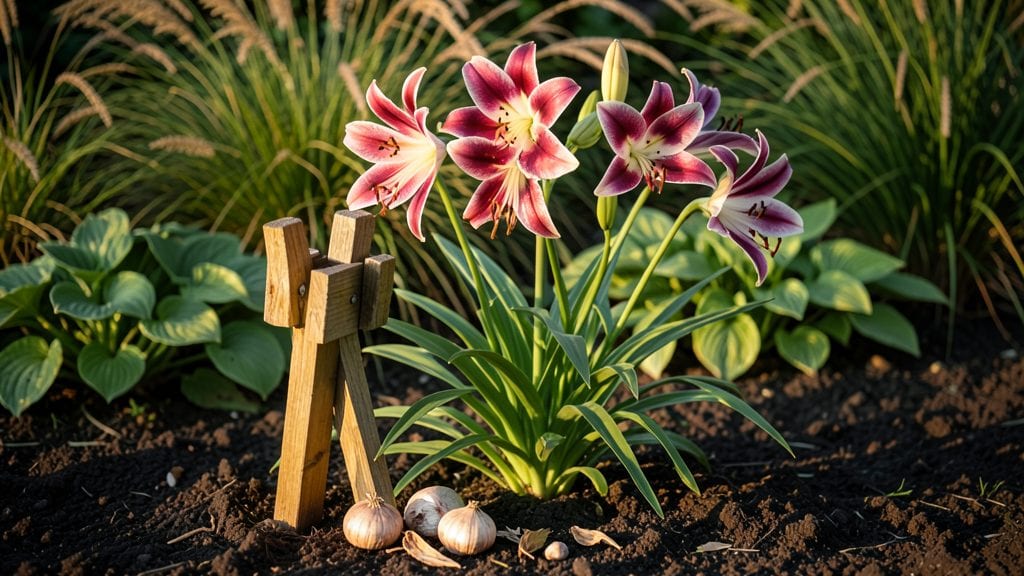
Creating a lily garden filled with fragrant flowers that buzz with pollinators transforms your yard into a living perfume bottle. 🌸 I’ll never forget the first time I walked through my neighbor’s lily garden—each step released waves of sweetness, and bees hummed like a chorus.
The secret lies in mixing varieties that bloom at different times, creating a show from spring through fall.
Start with your sunniest spot—most lilies demand at least 6 hours of direct sunlight daily—and amend the soil with compost for rich, well-draining beds. Asiatic lilies burst with color early, while Oriental types perfume the air in midsummer, and daylilies stretch the season into autumn.
Pair them with lavender, salvia, or ornamental grasses for texture, and you’ll have a garden that thrives and thrills.
Imagine the scene: velvety petals in every shade from buttery yellow to deep magenta, their scent lingering on warm breezes. Bees, butterflies, and hummingbirds will visit daily, turning your garden into a pollinator paradise.
The key? Plant in odd-numbered clusters for natural movement, and leave some stems for seed pods to feed winter birds.
This design works for cottage charm or modern elegance—just adjust spacing and borders. Whether you’re framing a path or creating a wildflower meadow edge, lilies bring drama and fragrance that no other flower matches. Let’s bring that vision to life, one bloom at a time.
📚 In This Guide
- What you need
- Instructions
- Tips and common mistakes
- Wrapping up and next steps
What you need
- ● Lily bulbs or plants: Choose at least 6–10 bulbs per variety (e.g., Asiatic, Oriental, or Stargazer lilies) for a full garden. Opt for disease-resistant varieties if your area has fungal risks.
- ● Well-draining potting soil or garden soil: A 50-pound bag for in-ground planting or 10–20 gallons for containers. Mix in compost or perlite (1 part) to improve drainage.
- ● Organic fertilizer: A balanced, slow-release formula (10-10-10) or a bulb-specific fertilizer (e.g., 5-10-10) for nutrient-rich growth.
- ● Mulch: Straw or wood chips (2–3 inches) to retain moisture and suppress weeds.
- ● Garden trowel or hand shovel for digging.
- ● Pruning shears for trimming dead foliage or spent blooms.
- ● Watering can or hose with a gentle spray nozzle (lilies hate soggy roots!).
- ○ Gloves (optional but recommended—some lilies have mild irritants).
- ○ Containers (optional): 5–15 gallon pots with drainage holes if growing in raised beds or balconies.
- ● Sunlight: 6+ hours of full sun daily for optimal blooming.
- ● Spacing: Plant bulbs 6–12 inches apart (check variety guidelines).
- ● Pollinator-friendly companions: Add bee balm, lavender, or marigolds to boost your garden’s appeal.
- ● Patience: Lilies may take 1–2 years to reach full bloom, depending on the variety.
Step-by-Step guide to designing a stunning lily garden
Here’s how to create a vibrant, pollinator-friendly lily garden that blooms all season long.
🌱 Step 1: Choose the Right Lily Varieties for Your Climate
Lilies thrive in USDA Zones 3-9, but variety matters. For early blooms, plant Asiatic lilies—they’re hardy and burst into color by early summer. If you want fragrance, Oriental lilies are the stars, though they prefer warmer climates. Martagon lilies (Turk’s cap) handle cooler temps and add height with their nodding blooms.
I always mix types for continuous color. For example, plant Asiatic lilies in full sun for bold, long-lasting blooms, then add Oriental lilies in partial shade for their intoxicating scent. Check your local nursery for disease-resistant hybrids—they’ll save you headaches later.
🪴 Step 2: Prepare the Planting Site for Healthy Growth
Lilies need well-draining soil—they rot easily if their feet stay wet. Amend heavy clay with 2-3 inches of compost and a handful of perlite to loosen the mix. Dig a hole twice as wide as the bulb but only 6 inches deep—any deeper, and the bulb won’t get enough light to sprout.
Space bulbs 12-24 inches apart, depending on the variety. Larger Oriental lilies need more room, while compact Asiatics can huddle closer. I like to plant in groups of 3-5 for a natural, fuller look. Avoid fresh manure—it burns bulbs. Instead, mix in a slow-release bulb fertilizer at planting time for a nutrient boost.
☀️ Step 3: Plant Bulbs at the Right Depth and Time
Timing is everything. In cooler climates, plant bulbs in early fall (October) so roots establish before winter. Warmer zones? Late winter (February) is ideal. Press each bulb into the hole with the pointy end up—this ensures the stem grows straight and strong.
Cover with soil and water deeply to settle everything. Mulch with 2-3 inches of shredded bark to retain moisture and keep weeds down. The key is patience—don’t rush to water again until the soil feels dry 1 inch below the surface. Overwatering at this stage can drown the bulb before it sprouts.
💧 Step 4: Water and Fertilize for Continuous Blooms
Once shoots appear in spring, water once a week—deeply, so the soil is moist 6 inches down. Lilies are drought-tolerant but reward consistent care with bigger blooms. I use a balanced 10-10-10 fertilizer every 4-6 weeks during the growing season to keep them thriving.
Stop fertilizing in late summer to let the plant focus on storing energy for next year’s blooms. Deadhead spent flowers (snip the stem just above the next leaf) to encourage more blooms and prevent seed pods from sapping energy. Just don’t cut into the bulb itself—keep it 2-3 inches above the soil line.
✂️ Step 5: Mulch and Protect for Year-Round Beauty
After the first frost, cut back the foliage to 2-3 inches tall but leave it in place—it feeds the bulb for next year. Apply a 3-inch layer of mulch (like straw or leaves) to insulate the bulbs through winter. In spring, remove the mulch as new growth appears to prevent rot.
Watch for lily beetles—those orange-and-black pests love munching on leaves. Handpick them early or spray with neem oil if they multiply. With proper care, your lilies will multiply over time, creating a lush, fragrant garden that pollinators can’t resist.
Tips & tricks for perfect lily garden flowers
Here's what I've learned from years of growing lily gardens that keeps them thriving and blooming beautifully.
Variety Pairing Strategy: When planting your lilies in Step 1, consider pairing Asiatic lilies with Martagon varieties. Asiatics bloom first in early summer while Martagons often flower in late summer, creating a continuous display. I've found this combination extends my blooming season by nearly two months without requiring extra space. The Martagon's nodding blooms also add vertical interest that Asiatics lack.
Soil Amendment Hack: In Step 2, if you're working with heavy clay soil, mix in equal parts compost and perlite—not just the 2-3 inches recommended. I've seen dramatic improvements in drainage and bulb health when I increase this to 4-5 inches total. For extra insurance, add a handful of coarse sand to help break up compacted soil. This prevents the dreaded bulb rot that can kill your plants before they even sprout.
Planting Depth Visual: For Step 3, here's a trick I use to get the 6-inch depth right: Place your bulb in the hole and mark where the top of the bulb sits with your finger. Then add soil until your finger is just below the soil surface. This ensures you're not planting too deep (which prevents sprouting) or too shallow (which can expose bulbs to temperature swings). I also make sure to plant in groups of 5 as recommended—this creates a natural clumping that looks more established right away.
Watering Technique: In Step 4, when watering deeply to moisten 6 inches down, use a screwdriver to check moisture levels. Push it into the soil—if it comes out clean, you've watered enough. If it comes out with soil clinging, water more. I've found lilies actually appreciate slightly drier conditions than many other perennials, so err on the side of less frequent but deeper watering. This prevents the root rot that's a common issue with overwatered lilies.
Pro Tips for Lily Garden Flowers
- Here's what I've learned from years of growing lily gardens that keeps them thriving and blooming beautifully.
- Variety Pairing Strategy: When planting your lilies in Step 1, consider pairing Asiatic lilies with Martagon varietie...
- Soil Amendment Hack: In Step 2, if you're working with heavy clay soil, mix in equal parts compost and perlite—not ju...
Frequently asked questions
Got questions about creating or maintaining a stunning lily garden? Here are answers to the most common queries—from planting tips to troubleshooting—so your fragrant blooms thrive all season!
When is the best time to plant lilies in my garden?
For most Lilium varieties, plant bulbs in early spring (just as the soil warms) or early fall (6–8 weeks before frost). Daylilies (Hemerocallis) prefer spring planting, while Asiatic and Oriental lilies love fall for winter root establishment. Always check your zone’s last frost date!
Do lilies really attract pollinators like bees and butterflies?
Lilies are a pollinator magnet—their vibrant colors and nectar-rich blooms draw bees, hummingbirds, and butterflies. True lilies (Lilium) are especially loved, though avoid daylilies (Hemerocallis), which are sterile and don’t produce nectar. Plant in clusters for maximum impact!
How often should I water my lily garden, and what’s the ideal soil?
Water deeply 1–2 times per week (more in extreme heat) to encourage strong roots. Lilies prefer well-draining, slightly acidic soil (pH 6.0–7.0). Amend heavy clay with compost or sand, and avoid soggy spots—root rot is a common issue! Mulch with organic matter to retain moisture.
Why are my lilies wilting or developing brown spots?
Wilting often signals underwatering or overwatering, while brown spots may mean fungal disease (like botrytis) or pests (aphids, spider mites). Improve airflow, remove diseased foliage, and spray neem oil if pests strike. Daylilies are tougher—rotate them to prevent soil-borne issues.
Can I grow lilies in containers, or do they need a garden bed?
Yes! Asiatic and Oriental lilies thrive in 12"+ pots with drainage holes, while daylilies adapt well to containers too. Use a lightweight potting mix and fertilize monthly. Just know: True lilies may need staking in pots, and they’ll bloom best with 6+ hours of sun daily.
What are some fragrant lily alternatives if I want scent and pollinator appeal?
Try dahlias (sweetly scented), peony (heavy fragrance), or clematis (vines with pollinator-friendly blooms). For nighttime scent, night-blooming jasmine or evening primrose are stellar picks—just ensure they share your garden’s sunlight and soil needs!
Wrapping up and next steps
Creating a lily garden filled with fragrant blooms is a rewarding journey that benefits both your space and local pollinators! 🌸 From selecting the right varieties to maintaining their health, every step brings you closer to a vibrant, thriving garden.
Whether you’re a beginner or a seasoned gardener, these fragrant lilies will add beauty and life to your outdoor oasis.
Ready to take the next step? Start small—plant a few stargazer lilies or calla lilies this season and watch your garden transform! 🌱 For even more inspiration, explore local nurseries or join gardening communities to share your progress. Happy planting!