Light Requirements
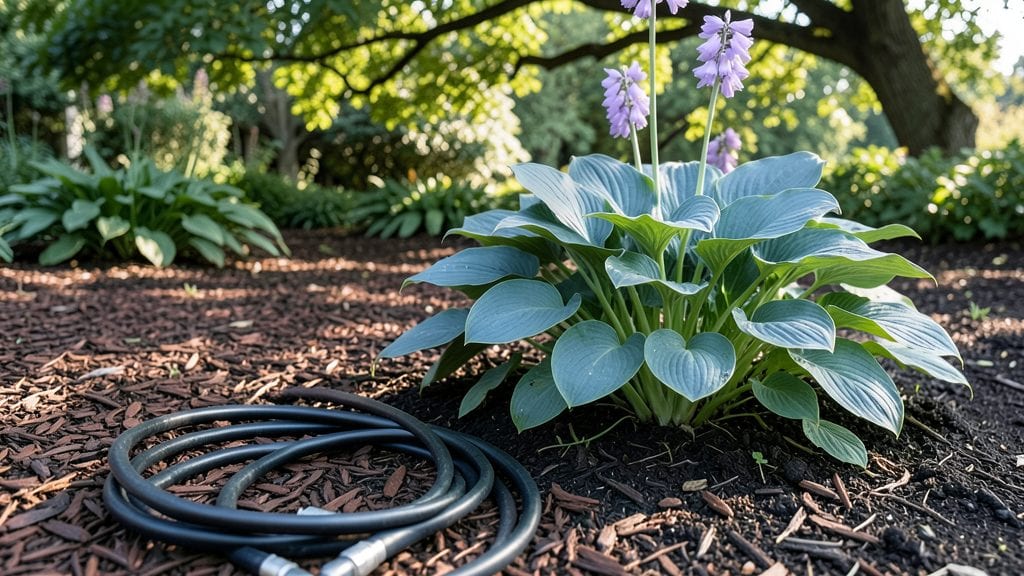
A part shade garden transforms tricky spaces into lush, low-maintenance escapes where plants thrive without constant fuss. 🌿 I’ve designed three of these myself—one under a mature oak, another along a north-facing foundation—and they’re the secret to gardens that look effortless.
The key isn’t avoiding shade; it’s choosing plants that love dappled light and pair well together.
You’ll need shade-tolerant stars like hostas, ferns, and astilbes that handle 3–6 hours of sunlight daily, plus a few sun-lovers (like daylilies) tucked where light hits strongest. Mulch keeps roots cool, and a layer of leaf litter mimics their natural habitat.
Most plants here need pruning just once a year—or never at all—because they’re bred to grow happily in these conditions.
By summer, you’ll have a garden that stays vibrant even when others wilt. Hostas develop deep green foliage, ferns unfurl delicate fronds, and astilbes burst with plumes of purple or pink.
The best part? No deadheading, no shearing, just seasonal cleanup to keep things tidy. It’s the kind of garden that makes neighbors ask, “How do you keep it so lush?”
Works for small urban yards, woodland edges, or even the shady side of your house. The same principles apply whether you’re planting perennials for years of color or mixing in annuals for quick impact. Let’s get you started with the right plant lineup.
📚 In This Guide
- What you need
- Instructions
- Tips and common mistakes
- Wrapping up and next steps
What you need
- ● Soil: 10–20 bags (50 lb each) of well-draining, organic-rich soil (e.g., compost-amended garden soil or potting mix).
- ● Mulch: 5–10 bags (3 cubic feet each) of wood chips, shredded bark, or pine straw to retain moisture.
- ● Plants: 5–10 hostas (e.g., 'Blue Angel' or 'Halcyon')
- ● 3–5 heucheras (e.g., 'Palace Purple' or 'Lime Rickey')
- ● 2–4 ferns (e.g., maidenhair or Japanese painted fern)
- ● 1–2 astilbes (e.g., 'Fanal' for vibrant plumes)
- ● Gardening tools: 1 garden trowel (for transplanting)
- ● 1 pruning shears (for minimal trimming)
- ● 1 garden fork (for aerating soil)
- ○ Optional (but helpful): 1 wheelbarrow (for hauling soil/mulch)
- ● 1 hose with spray nozzle (for gentle watering)
- ● 1 pH testing kit (to ensure soil is slightly acidic to neutral, pH 6.0–7.0)
Step-by-Step guide to designing a low-maintenance part shade garden
Here’s how to create a lush, thriving garden that thrives with minimal pruning and care.
🌿 Step 1: Select the Right Plants for Your Shade Level
First, assess your shade: is it dappled light (sun filtering through trees) or deep shade (little to no direct sun)? For dappled light, choose plants like hostas, ferns, and astilbes—they handle morning sun but appreciate afternoon shade. In deep shade, opt for shade-lovers like heucheras, lungwort, and Japanese painted ferns, which thrive with minimal sunlight.
I always group plants by their shade tolerance to avoid overcrowding or competition. For example, hostas and ferns pair beautifully together, while heucheras and lungworts complement each other’s foliage. Avoid mixing sun-loving plants like daylilies or black-eyed Susans—they’ll struggle and require constant pruning to survive.
🪴 Step 2: Prepare the Soil for Optimal Drainage and Nutrients
Part shade gardens often have dense, compacted soil from years of tree roots competing for space. Loosen the top 6-8 inches of soil with a garden fork or tiller to improve aeration. Amend the soil with 2-3 inches of compost (like the 3 cubic feet you’ll use) to enrich it without overwhelming plants. This step is critical—poor drainage leads to root rot, which even shade-loving plants can’t outgrow.
Test the soil’s moisture retention by digging a small hole and filling it with water. If it drains within 10-15 minutes, your soil is ready. If it pools, mix in sand or perlite (like the 1 gallon you have) to improve drainage. Overly wet soil is the fastest way to turn a low-maintenance garden into a high-stress one.
☀️ Step 3: Arrange Plants for Height, Texture, and Seasonal Interest
Start with taller plants (like astilbes or foxtail ferns) at the back or center of your garden bed, then layer mid-height plants (hostas, heucheras) in the middle, and finally, low-growing ground covers (like ajuga or creeping phlox) at the front. This creates depth and ensures no plant gets overshadowed by its neighbors.
I like to stagger plants by bloom time so there’s always color—spring bulbs (like daffodils) wake up early, summer astilbes take over, and fall heucheras add late-season drama. This way, your garden stays vibrant without needing constant deadheading or pruning. Space plants 12-18 inches apart to give them room to grow without competing for light or nutrients.
💧 Step 4: Water Deeply and Establish a Consistent Routine
Part shade gardens dry out slower than full-sun areas, but they still need deep watering once a week (or more in hot climates). Water in the early morning to reduce evaporation and fungal risks. Use a soaker hose or drip irrigation to deliver moisture directly to the roots—this prevents leaf diseases that thrive in damp foliage.
After watering, check the soil 2 inches down with your finger. If it feels dry, water again. If it’s still moist, hold off. Overwatering is a common mistake—shade plants like hostas and ferns are tough, but they’ll sulk if their roots sit in soggy soil. Mulch with 2-3 inches of shredded bark (like the 1 bag you have) to retain moisture and suppress weeds, cutting down on future maintenance.
✂️ Step 5: Prune Strategically—Only When Necessary
Most part shade plants need minimal pruning if you choose the right varieties. Deadhead spent blooms on astilbes or heucheras in early fall to encourage next year’s flowers, but avoid cutting back foliage until late winter or early spring. This gives the plants time to store energy for regrowth.
If a plant looks leggy or overgrown, trim back one-third of the oldest stems in early spring to rejuvenate growth. For ferns, simply remove brown or damaged fronds as they appear—no need for a full overhaul. The key is to prune only what’s necessary, so your garden stays lush without constant upkeep.
Tips & tricks for perfect part shade gardens
Creating a thriving part shade garden takes more than just planting—it's about working with nature's conditions. Here are my go-to tips to help you avoid common pitfalls and create a garden that practically cares for itself.
Plant Pairing Wisdom: In Step 1, when selecting plants, I always think about their "shade personalities." Pair hostas with ferns—they both love dappled light and their textures complement each other beautifully. For deep shade areas, combine heucheras with lungwort; these plants have similar moisture needs and will create a stunning layered effect. The key is to group plants with the same shade tolerance together, which prevents competition and creates a harmonious ecosystem that thrives with minimal intervention.
Soil Testing Hack: The 10-15 minute soil drainage test in Step 2 is where many gardens fail. Here's what I do: after digging your test hole, fill it with water and set a timer. If water drains completely within 10 minutes, your soil is perfect. If it takes 15 minutes or longer, you'll need to add more sand or perlite. Pro tip: I like to test multiple spots in my garden—shade can create microclimates where drainage varies significantly, even within the same bed.
Seasonal Layering Strategy: When arranging your plants in Step 3, think vertically and temporally. Place taller plants like astilbes at the back, but also consider their bloom times. I always include at least one spring bloomer (like daffodils), one summer performer (astilbes), and one fall star (heucheras). This creates continuous interest without requiring you to deadhead constantly. The 12-18 inch spacing isn't just about aesthetics—it gives roots room to establish without competing for nutrients, which means less pruning for you later.
Watering Secret: The early morning watering routine in Step 4 is crucial, but here's the secret: water at the same time every week to establish a rhythm. I set a calendar reminder for my watering day because consistency is what prevents those pesky fungal issues. And when you check that 2-inch soil depth, press gently—if it feels like a slightly damp sponge, you're good. If it's bone dry, give it another drink. This method prevents both underwatering and the silent killer of shade plants: overwatering.
Pro Tips for Part Shade Garden
- Creating a thriving part shade garden takes more than just planting—it's about working with nature's conditions. Here...
- Plant Pairing Wisdom: In Step 1, when selecting plants, I always think about their "shade personalities." Pair hostas...
- Soil Testing Hack: The 10-15 minute soil drainage test in Step 2 is where many gardens fail. Here's what I do: after ...
Frequently asked questions
What are the best low-pruning plants for part shade?
Opt for hostas, ferns, astilbes, and heucheras—they thrive in part shade with minimal upkeep. Hydrangeas and foxgloves also work well, needing only occasional deadheading. Avoid high-maintenance bloomers like petunias or geraniums, which prefer full sun.
How do I know if my garden gets enough part shade?
Test your space: Use a sunlight tracker app or mark a stick in the ground for 6+ hours. True part shade gets 3–6 hours of dappled light daily. If your area is fully shaded (under trees) or bright but filtered (near a fence), adjust plant choices accordingly.
Can I grow vegetables in part shade?
Yes! Try leafy greens (kale, spinach), radishes, and bush beans—they tolerate lower light. Avoid heavy producers like tomatoes or peppers. For herbs, cilantro, parsley, and mint do well, while basil and oregano may struggle. Extend the season with shade cloth if needed.
What if my part-shade garden looks dull after the first year?
Rotate seasonal plants (e.g., spring bleeding hearts, summer impatiens, fall Japanese anemones) to keep color alive. Add mulch to retain moisture and suppress weeds. Prune only dead or overgrown foliage—most part-shade plants reward patience over aggressive trimming.
Are there drought-tolerant options for part shade?
Sedum, lamium, and carex grasses handle dry spells well. Pair them with moisture-loving plants like astilbes for balance. Pro tip: Group plants with similar water needs together to simplify care. Drip irrigation or self-watering containers can help in hotter climates.
Wrapping up and next steps
A part shade garden is your ticket to lush, low-maintenance beauty—no pruning marathons required! 🌿 From hostas to ferns, these plants thrive with just the right balance of light, proving that even tricky spots can become vibrant havens.
With the right choices and a little care, your garden will reward you with year-round charm.
Ready to transform your space? Start small—pick one plant from this list and observe how it flourishes. Then, let your creativity grow! Whether you’re a beginner or a seasoned gardener, every shade-loving plant is a step toward a relaxing, resilient garden that feels like a hug for your green thumb.