Pests and Diseases
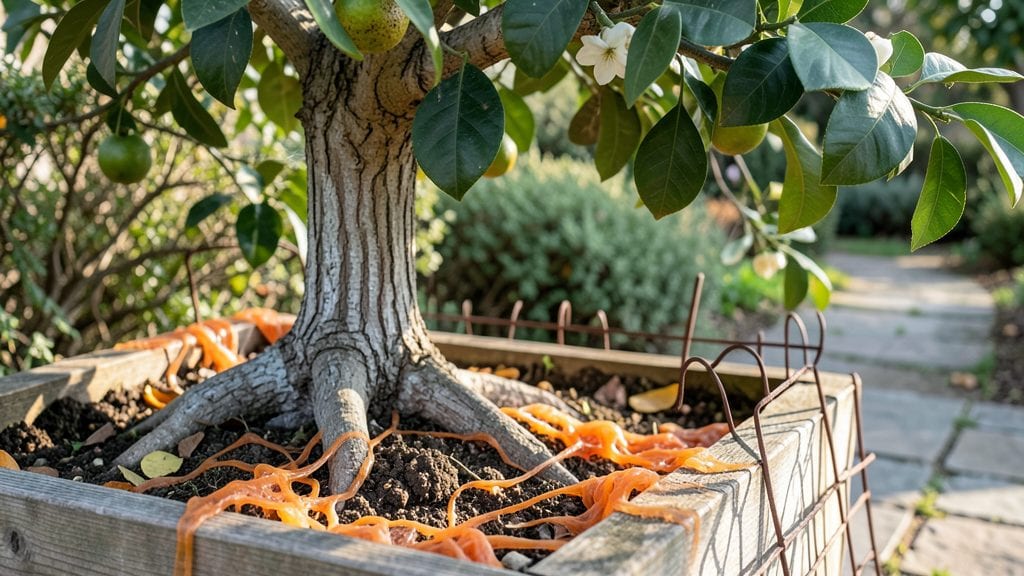
That bright orange slime mold creeping across your mulch isn't just ugly—it's a sign your garden's moisture and organic matter are perfectly balanced for this weird but harmless fungus. 🌿 I've had it turn my compost pile into an abstract art project, and while it looks gross, it won't hurt your plants or soil health.
The key is understanding why it shows up and how to manage it without chemicals.
This mold thrives when organic matter stays too damp for too long, especially under dense mulch or in shaded areas where airflow stalls. Most gardeners panic and rake it away, only to have it return faster than a summer weed.
The real solution? Adjusting moisture levels and improving drainage—simple fixes that work better than any store-bought spray.
You'll learn how to clear it up naturally in just a few days using everyday tools, plus long-term strategies to keep it from staging a comeback. No harsh chemicals needed—just a broom, some patience, and a few smart garden habits.
Your soil will stay healthy, and that orange mess won't stand a chance.
Works for vegetable beds, flower gardens, and even houseplants that get overwatered. Let's tackle this slime mold the right way—without sacrificing your garden's health in the process.
The Hidden Triggers Behind Slime
Orange slime mold in your garden isn’t just a random nuisance—it’s a response to specific conditions that create the perfect party for these single-celled organisms. Understanding these triggers helps you address the root cause, not just the symptoms. Let’s break down why this eerie orange goo appears when it does.
Slime molds thrive in moist, decaying organic matter, making them common after heavy rain, poor drainage, or overwatering. Here’s why:
- Excess moisture softens soil, allowing slime mold spores to germinate and spread. - Decaying leaves, wood, or mulch provide the nutrient-rich "buffet" they crave.
As microbes break down organic material, they release sugars and cellulose—slime mold’s favorite food. - Shady, humid microclimates (like under dense foliage or mulch piles) trap moisture, creating ideal conditions.
Actionable fix: Improve drainage with compost or sand, and remove thick layers of mulch or leaf litter to reduce organic buildup.
Slime molds love stagnant air, which limits evaporation and keeps surfaces damp longer. Common culprits:
- Overcrowded plants block airflow, trapping humidity near the soil.
- Thick mulch layers (over 2–3 inches) suffocate soil and retain moisture.
- Compacted soil prevents water from draining, creating soggy pockets.
Actionable fix: Thin out dense plantings, aerate compacted soil, and use permeable mulch (like straw or pine needles) to allow airflow.
Slime molds are opportunistic feeders—they exploit freshly disturbed or nutrient-loaded soil.
This happens when: - You till or dig recently, exposing fresh organic material. - Compost or manure is freshly applied (especially if it’s still decomposing). - Dead plants or weeds are left to rot in place, releasing sugars into the soil.
Actionable fix: Avoid tilling when soil is wet, and bury compost deeply (6+ inches) to starve surface-dwelling slime molds.
Slime molds peak in warm, damp weather (60–80°F / 15–27°C).
Why? - Warmth speeds up microbial activity, breaking down organic matter faster—more food for slime molds. - High humidity (especially at night) prevents soil from drying, keeping conditions perfect for growth. - Morning dew on leaves or mulch provides a temporary water source.
Actionable fix: Water in the early morning to reduce evening moisture, and prune plants to improve airflow during humid spells.
Sometimes, our gardening routines accidentally create slime mold havens:
- Overwatering (especially with sprinklers that wet foliage).
- Using thick, water-retaining mulches (like untreated wood chips) in shady areas.
- Ignoring fallen fruit or veggies (they ferment, releasing sugars).
Actionable fix: Adjust your watering schedule, choose lighter mulches (like bark chips), and remove fallen debris promptly.
Slime molds hitchhike on other decomposers. When bacteria and fungi break down organic matter, they release compounds that:
- Signal slime molds to "move in" (like a dinner bell).
- Create anaerobic pockets (low-oxygen zones) where slime molds dominate.
Actionable fix: Encourage beneficial microbes (like mycorrhizal fungi) by adding compost tea—they outcompete slime molds for resources.
Slime molds follow a predictable pattern:
- Spring/fall (after rains or leaf drop).
- Summer humidity spikes (especially in shaded gardens).
- After heavy pruning or cleanup (exposing fresh organic matter).
Actionable fix: Time deep cleaning (removing debris) for dry, sunny days to disrupt their cycle.
Slime mold appears when your garden becomes a wet, shaded, nutrient-rich buffet. The solution? Reduce moisture, improve airflow, and limit easy meals—without harming your soil’s health. Next up: How to Remove It Safely.
Quick Fixes for Slime Mold Woes
Got that uninvited orange slime mold ruining your garden’s charm? Don’t panic—this pesky fungus is harmless but unsightly. The good news? You can tackle it naturally without harming your soil, plants, or the environment.
Below, we’ve mapped out practical solutions based on the root causes (like moisture, organic debris, or poor airflow) and paired them with prevention tips to keep your garden looking fresh.
If your garden is a soggy swamp, slime mold thrives like a beach vacationer. Excess moisture is its favorite party host.
How to Fix It:
- 🍳 Reduce Watering: Let the top 1–2 inches of soil dry out between waterings. Stick your finger in the dirt—if it’s damp, wait.
- 👨🍳 Improve Drainage: Amend heavy clay soil with compost or perlite to help water drain faster. For containers, ensure pots have drainage holes.
- ⏰ Water in the Morning: Avoid evening watering, which can leave foliage damp overnight—slime mold’s dream scenario.
💡 Prevention Tip: Mulch with straw or wood chips (not thick layers) to retain moisture without suffocating the soil. Keep mulch 2–3 inches away from plant stems for airflow.
Slime mold loves feasting on decaying leaves, mulch, or plant waste. If your garden looks like a compost heap, it’s no surprise the orange invaders moved in.
How to Fix It:
- 🔪 Remove Affected Areas: Gently scrape off slime mold with a wooden spoon or stiff brush (avoid metal—it can spread spores). Dispose of debris in the trash (not compost).
- 🌡️ Sunlight is Your Ally: Slime mold hates UV rays. Rake leaves and debris into a sunny spot to dry out and kill spores.
- ✨ Refresh Mulch: Replace old, compacted mulch with fresh, coarse material (like pine straw or shredded bark) to reduce moisture retention.
💡 Prevention Tip: Rake regularly—especially under shrubs and trees where leaves pile up. A quick weekly sweep keeps slime mold from staging a comeback.
Slime mold spreads like gossip in a low-airflow zone. Dense plantings or shaded areas trap humidity, giving it the perfect breeding ground.
How to Fix It:
- 🌿 Prune Strategically: Thin out overgrown plants to let light and air circulate. Aim for 6–12 inches of space between foliage.
- 🏡 Rearrange Containers: If using pots, space them apart (1–2 feet) to prevent moisture buildup between them.
- 🎯 Add Windbreaks (If Needed): In windy areas, use lattice or trellises to guide airflow without creating dead zones.
💡 Prevention Tip: Rotate plants seasonally to avoid always keeping them in the same shady spot. A little sunlight goes a long way!
If your garden is naturally humid (hello, rainforest vibes!), slime mold may be a recurring guest. Prevention is key.
How to Fix It:
- 💦 Use Drip Irrigation: Water at the base of plants instead of overhead to minimize leaf wetness.
- 🌿 Choose Resistant Plants: Opt for succulents, lavender, or rosemary—they thrive in drier conditions and discourage fungal growth.
- 🌡️ Increase Heat Tolerance: If possible, move potted plants to sunnier spots during peak humidity (late afternoon).
💡 Prevention Tip: Vinegar spray (1:1 with water) can act as a natural fungicide—spray lightly on leaves (test a small area first). The acidity disrupts slime mold spores.
If slime mold keeps returning, it’s time for a reset.
How to Fix It:
- 🧹 Scrub Surfaces: Use a 50/50 hydrogen peroxide (3%) and water mix to spray affected areas. Let sit for 10 minutes, then rinse.
- 🌱 Soil Treatment: Mix 1 cup of baking soda per gallon of water, spray lightly on soil (avoid overdoing it—it can alter pH).
- 🌿 Replace Infested Mulch: If slime mold is deep in mulch, remove and replace with fresh material.
✨ Pro Tip: Neem oil (1 tsp per quart of water + drop of dish soap) can prevent regrowth. Spray early in the morning for best results.
Final Reminder: Slime mold is not harmful to plants or people—it’s just a nuisance. With these fixes, your garden will stay clean, healthy, and slime-free in no time! 🌱✨
Frequently asked questions about orange slime mold in gardens
Is orange slime mold harmful to my plants or soil?
Not at all! This colorful fungus is completely harmless to your plants, soil health, and even pets. It feeds on decaying organic matter but won't damage roots or foliage. The only downside is its unsightly appearance—think of it as nature's temporary art project that you can easily clean up.
Why does it keep coming back after I clean it up?
Slime mold thrives in the same conditions that create it: moisture + organic debris + poor airflow. If you're not addressing these root causes, it'll return like an uninvited houseguest. Focus on improving drainage, reducing thick mulch layers, and keeping your garden well-aerated to break its cycle.
Can I use vinegar to remove orange slime mold?
Yes! A 1:1 vinegar and water solution works well as a natural fungicide. Spray it directly on affected areas (test a small spot first), let it sit for 10 minutes, then rinse. The acidity disrupts the slime mold's growth while being safe for your plants and soil. Just avoid spraying in direct sunlight to prevent leaf burn.
Will compost tea help prevent slime mold?
Compost tea introduces beneficial microbes that outcompete slime mold for nutrients. Use it as a preventive measure during the growing season, especially after heavy rains. These good bacteria create a healthier soil environment that naturally discourages slime mold from taking hold.
Is there any mulch type that prevents orange slime mold?
Lighter, more permeable mulches like pine straw, shredded bark, or straw work better than thick wood chips. These materials allow better airflow and drainage while still suppressing weeds. Keep mulch layers 2-3 inches thick and maintain a 2-inch gap between mulch and plant stems for optimal results.