Landscaping
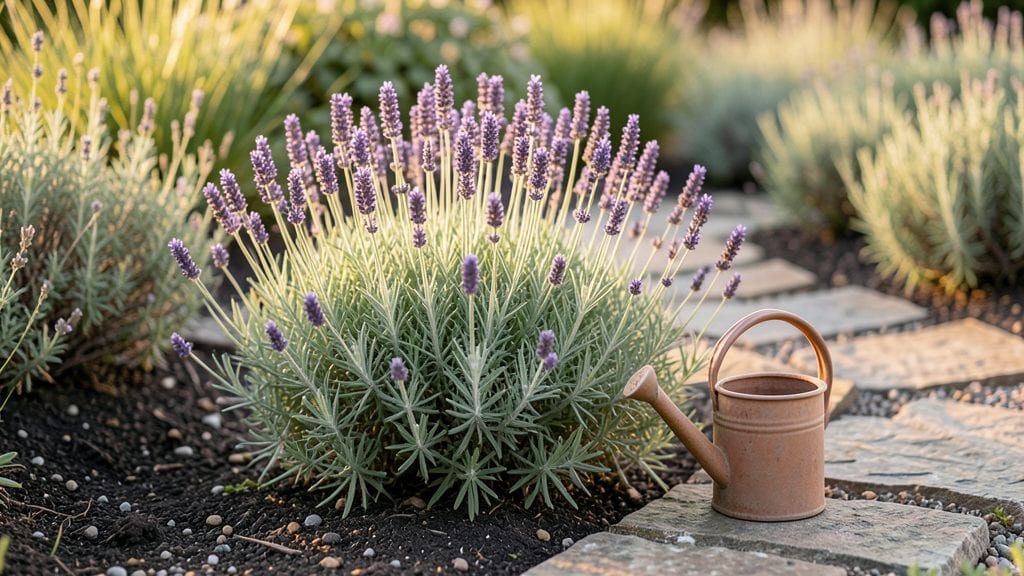
Your outdoor garden idea doesn’t need to be complicated to look stunning year-round. I’ve designed gardens that burst with color from spring through frost—using just 10 plants and a few simple layout tricks that work for any yard size.
The key is layering plants with different bloom times and textures so there’s always something interesting to see, even when some flowers fade.
Start with a backbone of evergreens or ornamental grasses for structure—these provide year-round interest and hide bare spots when annuals take a break. Add a mix of early bloomers like tulips or daffodils, mid-season stars like coneflowers, and late-season performers like asters or ornamental kale.
My favorite combo? A tall purple salvia, a bushy coreopsis in yellow, and a trailing lobelia for spills—it’s shockingly lush and requires almost no maintenance.
You’ll end up with a garden that feels intentional but wasn’t planned down to the inch. The best part? It works for any style—whether you want cottage charm, modern minimalism, or a wildlife-friendly oasis.
The plants do most of the work, and you just enjoy the results. Here’s how to pull it together without stress.
This approach scales from a small balcony to a big backyard—just adjust the quantities. The same principles apply whether you’re in a hot, dry climate or a cool, moist one. Let’s get your space looking effortlessly beautiful all season long.
Hidden Forces Behind Garden Failures
Understanding why your outdoor garden struggles—even with good intentions—is the first step to creating a thriving, low-maintenance space. Many common issues stem from overlooked environmental or design factors. Let’s break down the science and practical causes behind the most frustrating garden problems.
Poor soil quality is the silent saboteur of many gardens. Healthy soil isn’t just dirt—it’s a living ecosystem teeming with microbes, fungi, and nutrients that plants rely on. Here’s why your soil might be failing:
- Compacted Soil 🪨 Heavy foot traffic, machinery, or even natural settling can compress soil, reducing its ability to absorb water and air.
Roots suffocate, leading to stunted growth or wilting. Test it: Press your finger into the soil—if it feels hard like clay, it’s compacted. Fix it: Aerate with a garden fork or top-dress with compost to loosen the top layer.
- pH Imbalances ⚖️ Soil pH (acidity/alkalinity) affects nutrient availability. Most plants thrive in slightly acidic to neutral soil (6.0–7.0).
A pH outside this range locks out essential nutrients like nitrogen, phosphorus, and iron. Test it: Use a soil pH kit or send a sample to a local extension office. Fix it: Adjust with lime (to raise pH) or sulfur (to lower it), following package instructions.
- Nutrient Deficiencies 🧪 Even fertile soil can deplete over time. Plants show signs like yellowing leaves (nitrogen deficiency), purple stems (phosphorus shortage), or weak stems (potassium lack). Test it: A soil test reveals exact deficiencies. Fix it: Amend with organic matter (compost, worm castings) or targeted fertilizers.
Sunlight is essential, but too much or too little throws off your garden’s balance. Here’s how it backfires:
- Over-Exposure 🔥 Full-sun plants (like tomatoes or lavender) wilt or scorch in intense afternoon heat, while shade-lovers (ferns, hostas) turn leggy and weak. Solution: Group plants by sunlight needs and use shade cloth (30–50%) for sensitive species.
- Under-Lighting 🌑 Shady spots (under trees or north-facing walls) slow growth because photosynthesis can’t occur efficiently. Solution: Choose shade-tolerant plants (e.g., astilbe, impatiens) or supplement with grow lights for seedlings.
- Uneven Sun Patterns 📏 Partial shade changes with seasons—what’s dappled sunlight in summer might be full shade in winter. Solution: Observe your garden’s light shifts for a week, then map sun exposure to avoid mismatched plant placement.
Water is the lifeblood of your garden, but imbalances lead to stress, disease, or death. Here’s why it goes wrong:
- Poor Drainage 🚰 Waterlogged soil cuts off oxygen to roots, causing rot (especially in clay-heavy soils). Test it: Dig a hole, fill it with water, and time how long it drains—if it takes >6 hours, drainage is poor. Fix it: Amend with sand or organic matter, or raise beds.
- Inconsistent Watering 💧 Skipping watering or overdoing it stresses plants. Drought causes wilting, while soggy soil invites fungi (like powdery mildew). Solution: Use drip irrigation or soaker hoses for steady moisture, and water deeply 1–2 times per week (adjust for climate).
- Wrong Water Timing ⏰ Watering in the heat of the day leads to evaporation waste, while evening watering can promote fungal growth. Solution: Water early morning (6–10 AM) to let foliage dry before nightfall.
Even the hardiest plants fall prey to pests or pathogens. These issues often stem from ecological imbalances:
- Overcrowding 🌿 Dense planting reduces airflow, trapping humidity and inviting fungal diseases (e.g., blight, rust). Fix it: Space plants according to mature size (check plant tags) and prune for airflow.
- Weakened Plants 🛡️ Stressed plants (from drought, poor soil, or nutrient deficits) are pest magnets. Aphids, spider mites, and whiteflies target struggling foliage. Prevent it: Keep plants healthy with balanced care and introduce beneficial insects (ladybugs, lacewings).
- Monoculture Planting 🌾 Planting the same species in large blocks (e.g., a huge tomato patch) creates a buffet for pests and diseases. Fix it: Interplant with companion crops (e.g., marigolds repel nematodes) or use diverse ground covers.
Pro Tip: 💡 Start with a soil test and sunlight audit—these two factors solve 80% of garden struggles! Addressing these hidden forces transforms "problem areas" into thriving, low-maintenance outdoor spaces.
Quick fixes for common garden woes
Transforming your outdoor space into a thriving garden shouldn’t feel like solving a mystery—especially when problems pop up unexpectedly. Whether it’s wilting plants, pesky pests, or soil that refuses to cooperate, these practical solutions will help you tackle issues fast while keeping your garden lush and low-maintenance.
Below, we’ve mapped out the most common problems and their fixes, plus prevention tips to avoid future headaches.
Fix: Adjust your soil’s texture to strike the perfect balance—neither too sandy nor too clay-heavy.
- For sandy soil (drains too fast): - Mix in organic matter like compost, peat moss, or well-rotted manure.
Aim for a 25% amendment (e.g., 3 inches of compost per 12 inches of soil). - Add coconut coir or leaf mold to improve water retention without compacting the soil. - Mulch heavily (3–4 inches) with wood chips or straw to slow evaporation and retain moisture.
- For clay soil (drains too slowly):
- Amend with coarse materials like perlite, vermiculite, or coarse sand to create air pockets.
- Plant deep-rooted crops (e.g., asparagus, comfrey) to naturally break up compacted layers over time.
- Build raised beds if the clay is extreme—fill them with a 50/50 mix of topsoil and compost.
💡 Prevention Tip: Test your soil’s drainage with a simple jar test:
- Fill a clear jar halfway with soil.
- Add water until full, then cover and shake.
- Observe how long it takes to drain—ideal time is 4–6 hours.
Fix: Skip the harsh chemicals and try targeted, eco-friendly solutions that protect your plants—and your health.
- For aphids & soft-bodied insects:
- Blast them off with a strong spray of water (early morning works best).
- Introduce beneficial insects: Ladybugs, lacewings, or parasitic wasps (buy them online or at garden centers).
- Spray neem oil (mix 1 tbsp per quart of water) to disrupt their life cycle.
- For slugs & snails:
- Set up beer traps: Bury a shallow dish filled with beer—slugs crawl in and drown.
- Use copper tape around pots (gives them a mild electric shock when they touch it).
- Handpick at night with a flashlight and drop them in soapy water (brutal but effective).
- For deer & rabbits:
- Install motion-activated sprinklers (they hate sudden water blasts).
- Plant deer-resistant shrubs like boxwood, barberry, or Russian sage as a natural barrier.
- Use fencing—8 feet tall for deer, 2 feet high buried 6 inches deep for rabbits.
🔥 Pro Tip: Prevent pests before they arrive by:
- Encouraging biodiversity (plant native flowers to attract pollinators and predator insects).
- Removing debris where pests hide (piles of leaves, old pots).
- Watering in the morning so plants dry faster (slugs love dampness).
Fix: Wilting or yellowing usually signals one of three issues: water stress, nutrient deficiency, or disease. Diagnose with these steps:
| Symptom | Likely Cause | Solution |
|---|---|---|
| Drooping leaves | Underwatering | Water deeply 1–2 times per week (check soil moisture 2 inches down). |
| Crispy, brown edges | Overwatering or salt buildup | Let soil dry between waterings; flush with clean water if using tap. |
| Yellow lower leaves | Nitrogen deficiency | Feed with balanced fertilizer (10-10-10) or compost tea. |
| Yellow veins (reddish) | Iron deficiency (chlorosis) | Apply chelated iron or mulch with pine needles (acid-loving plants). |
| Black spots or mold | Fungal disease | Prune affected leaves; spray with baking soda mix (1 tsp per quart of water). |
🌡️ Prevention Tip: Monitor your plants’ thirst by:
- Sticking your finger in the soil—if the top 1–2 inches are dry, it’s time to water.
- Grouping plants with similar needs together (e.g., succulents with drought-tolerant herbs).
- Mulching to retain moisture and regulate soil temperature.
Fix: A little strategic refresh can revive a lackluster garden without replanting everything.
- Deadhead spent blooms (pinch off faded flowers) to encourage more blooms and prevent self-seeding weeds.
- Add fast-growing fillers:
- Annuals: Marigolds, zinnias, or cosmos bloom in 4–6 weeks from seed.
- Perennials: Coneflowers, black-eyed Susans, or Russian sage thrive with minimal care.
- Prune leggy herbs (like basil or mint) to promote bushier growth—snip just above a leaf node.
- Rotate containers: Swap pots around to even out sunlight exposure and prevent sunburn on one side.
✨ Bonus Hack: Edible landscaping—replace boring ground covers with creeping thyme, strawberries, or mint for dual-purpose beauty and function!
Fix: Extend the life of your garden tools with minimal effort.
- Clean after use: Wipe off dirt and oil with a damp cloth (prevents rust).
- Store properly: Hang tools in a dry shed or use tool sleeves to protect blades.
- Apply WD-40 or mineral oil to metal parts once a season to prevent corrosion.
- Sharpen blades (pruners, shears) with a file or sharpening stone—dull tools damage plants and make work harder.
🎯 Prevention Tip: Invest in high-quality tools (e.g., Felco pruners, stainless steel trowels) upfront—they’ll last years longer than cheap alternatives.
Most garden problems have simple, low-cost fixes—the key is acting early and preventing issues before they spiral. Start with one or two solutions from above, and watch your outdoor space transform into a low-maintenance, high-reward sanctuary in no time. 🌿✨
(Need more tailored advice? Drop your biggest garden challenge in the comments—we’ve got fixes!)
Frequently asked questions
What’s the easiest outdoor garden idea for beginners?
Start with a container garden using drought-tolerant plants like succulents, lavender, or herbs. These require minimal soil prep, just well-draining potting mix and 10-15 minutes of watering per week. Add a few annuals like marigolds or petunias for instant color—just place them in sunny spots and enjoy!
How can I create year-round interest without replanting?
Layer plants with different bloom times and textures. Pair spring bulbs (tulips, daffodils) with summer perennials (coneflowers, black-eyed Susans) and add evergreens or ornamental grasses for winter structure. Mulch with bark to hide bare soil and add seasonal accents like pumpkins in fall or pinecones in winter.
What’s the best low-maintenance garden design?
A perennial border with native plants is foolproof—once established, they need no annual replanting and attract pollinators. Choose 3-5 plants that thrive in your climate (e.g., cone flowers, sedum, and Russian sage) and space them 12-18 inches apart for airflow. Add mulch and drip irrigation for hands-off care.
Can I turn a small space into a lush garden?
Use vertical gardening with trellises (for climbing roses or beans) and wall-mounted planters. Fill containers with trailing plants like ferns or sweet potatoes for drama. Even a 6-inch-deep balcony planter can hold herbs or lettuce—just ensure good drainage and 6+ hours of sunlight daily.
How do I choose plants that won’t attract pests?
Plant pest-repelling companions like marigolds (aphids), basil (mosquitoes), or lavender (flies). Avoid monocultures (e.g., huge tomato patches) and opt for native plants, which pests rarely target. Add beneficial insects like ladybugs or lacewings to naturally control pests.