Landscaping
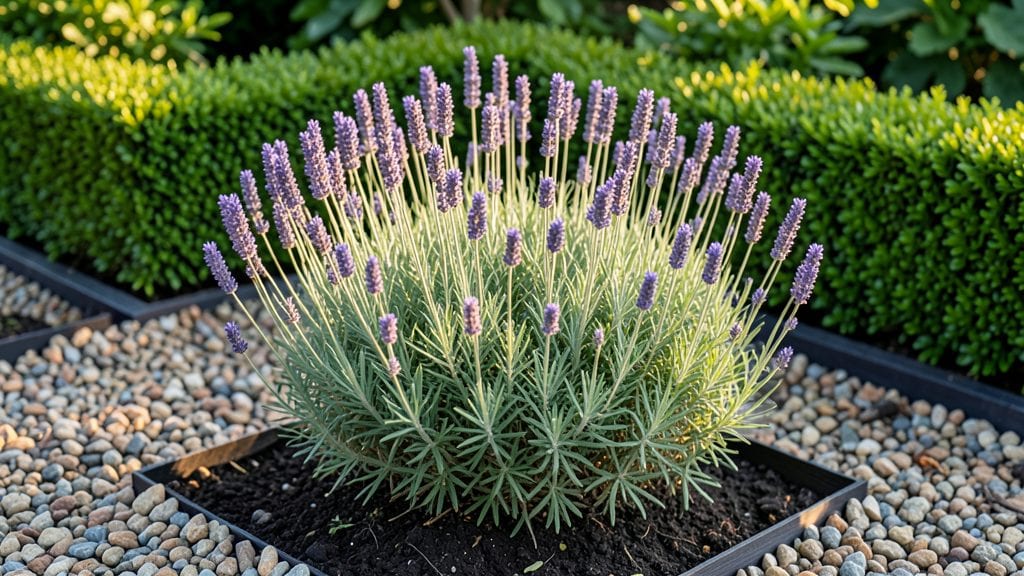
That parterre garden design isn't just a layout—it’s a timeless conversation between geometry and nature, where every clipped hedge and winding path tells a story.
I remember the first time I walked through a French parterre and felt my breath catch at how effortlessly elegant it looked, like a painting brought to life. The key isn’t just symmetry—it’s the way light dances across perfectly aligned borders, turning even the simplest plants into a masterpiece.
The beauty of parterre gardens is that they scale to any space, whether you’ve got a grand estate or a cozy backyard corner.
You’ll need durable materials like boxwood hedges, gravel pathways, and mulch to define those crisp lines, but the real magic happens in the details—like choosing plants that thrive in your climate while still playing their part in the grand design.
Think of it as gardening with a ruler, but where the ruler is nature’s own.
By the time you’re done, you’ll have a garden that feels like stepping into a Versailles courtyard—without the centuries of history. The hedges will stand tall and uniform, the pathways will guide visitors through a curated journey, and every season will reveal new textures and colors.
It’s not just a garden; it’s a statement piece that turns heads and sparks conversations.
Whether you’re starting small with a single border or planning a full-scale transformation, the principles stay the same. The best part? Once you’ve got the layout down, maintenance becomes a rhythmic dance of trimming and tending—simple enough to enjoy, but structured enough to feel like a true achievement.
Let’s get those lines perfect.
📚 In This Guide
- What you need
- Instructions
- Tips and common mistakes
- Wrapping up and next steps
What you need
- ● Topsoil: 2–4 cubic yards (depending on garden size) – opt for well-draining, fertile soil.
- ● Gravel or crushed stone: 1–2 inches (for base drainage).
- ● Mulch: 2–3 inches of organic mulch (cedar or pine works well).
- ● Edging materials: Brick, stone, or metal edging (6–12 inches tall).
- ● Plants: Low-growing perennials (lavender, boxwood, or rosemary) and seasonal flowers (tulips, marigolds, or pansies).
- ● Shovel & spade – for digging and shaping.
- ● Wheelbarrow – for transporting soil and materials.
- ● Garden hose & nozzle – for precise watering.
- ● String & stakes – to mark symmetrical layouts.
- ● Pruners & shears – for trimming and shaping plants.
- ● Level & measuring tape – for perfect symmetry.
- ● Decorative borders (iron, copper, or painted wood).
- ● Statues, fountains, or benches for focal points.
- ● Pathway materials (gravel, stepping stones, or cobblestones).
- ● Lighting (solar-powered or low-voltage path lights).
Instructions for creating a classic parterre garden layout
This timeless French design brings symmetry and structure to any outdoor space.
Plan Your Garden’s Shape and Dimensions
Start by sketching your parterre’s shape on graph paper or directly in the garden with stakes and string. Classic parterres often feature rectangular or square designs, with symmetrical borders that frame paths or lawns. For a traditional look, aim for a minimum width of 4 feet—this allows enough space for plants and edging materials without feeling cramped. Mark the centerline first, then work outward in even increments (like 2-foot sections) to maintain balance.
Measure twice before marking the ground. Uneven sections will throw off the entire design, and you’ll spend hours correcting mistakes later. Use a 4-foot tape measure to verify each segment matches its counterpart. If your space is irregular, adjust by keeping the outer edges parallel while allowing the inner curves to flow naturally. This subtle flexibility keeps the design classic without sacrificing harmony.
Install Edging for Clean, Defined Borders
Lay down your chosen edging material—whether it’s brick, stone, or metal—along the marked lines. For a true French parterre, brick or low stone walls work best, creating a crisp, raised border that holds soil in place. Start at one corner and work your way around, using a level to ensure each section sits even with the ground. If you’re using bricks, lay them in a herringbone or running bond pattern for added visual interest while keeping the lines straight.
Leave 2-3 inches of space between the edging and the outer edge of the parterre to allow for drainage and easy maintenance. Fill the edging with soil up to 1 inch below the top—this prevents erosion and gives plants room to settle without spilling over. Press the soil lightly with your hands to remove air pockets, then water gently to help it compact naturally.
Build Raised Beds for Planting Layers
Construct raised planting beds within the edged borders, using wooden frames, stone walls, or metal borders to create tiered levels. Classic parterres often feature three distinct tiers: a central bed for focal plants, a middle border for mid-height foliage, and an outer edge for low-growing ground covers. Space each tier 12-18 inches apart to allow for easy access and airflow between plants.
Fill the beds with well-draining soil, mixing in compost or organic matter to enrich the mix. For a 4-foot-wide parterre, you’ll need about 2 cubic feet of soil per tier. Rake the surface smooth but not compacted—you want it loose enough for roots to penetrate easily. Avoid packing the soil too tightly, as this can restrict growth and lead to waterlogging.
Plant in Symmetrical, Thematic Layers
Begin planting with the center bed, using bold, structural plants like boxwood, lavender, or ornamental grasses to anchor the design. These plants should be evenly spaced—typically 18-24 inches apart—to create a balanced, unbroken line. Move outward to the middle tier, where you’ll add medium-height plants like roses, hydrangeas, or salvia. Finally, fill the outer edge with low-growing perennials such as creeping thyme, ajuga, or sedum to soften the transition to the lawn or path.
Repeat each plant mirror-fashion across the centerline to maintain symmetry. For example, if you place a red rose bush on the left side of the central bed, position an identical bush on the right. This repetition is key to the parterre’s elegance. Water each plant deeply after planting to help roots establish, and mulch with 2-3 inches of organic mulch to retain moisture and suppress weeds.
Add Pathways and Finishing Touches
Install gravel, brick, or stepping-stone paths between the parterre beds to define walkways and enhance the garden’s structure. For a classic look, use light-colored gravel or sand to contrast with the greenery. Line the paths with low borders of stone or metal edging to keep them contained. If your design includes statues, fountains, or benches, place them along the central axis to draw the eye toward the focal point.
Finally, add seasonal accents like annuals or seasonal flowers to brighten the beds. In spring, tuck in tulips or daffodils; in summer, mix in petunias or marigolds. Prune plants regularly to maintain their shape and keep the design crisp. Step back often to check for balance—adjust any stray branches or overgrown sections to preserve the parterre’s refined, symmetrical beauty.
Tips & tricks for perfect parterre garden design
Creating a classic parterre garden takes patience and attention to detail, but these insights will help you achieve that timeless French elegance without the common pitfalls.
Precision in Planning: In Step 1, when sketching your design, I recommend using graph paper with each square representing 1 foot. This visual scale helps you visualize the 4-foot minimum width and those critical 2-foot increments before you even set foot in the garden. I've seen many gardeners skip this step and end up with uneven sections that throw off the entire symmetry. Trust me, a few minutes of planning on paper saves hours of frustration later.
Edging Material Matters: For Step 2, brick edging creates the most authentic French look, but it requires precise cutting for corners. If you're using bricks, I suggest practicing your cuts on scrap pieces first. The herringbone pattern adds visual interest while maintaining straight lines—just make sure to use a level after every few bricks to catch any unevenness early. The 2-3 inch space between edging and outer edge is crucial for drainage, so don't skimp on this measurement.
Soil Preparation Secret: When filling your raised beds in Step 3, I've found that mixing in a 25% compost ratio to your well-draining soil makes a noticeable difference in plant health. The 2 cubic feet per tier measurement assumes you're using a good quality topsoil—if your native soil is particularly heavy, you might need to increase this slightly. Remember to rake just until the surface is smooth, not packed down. You want that loose texture for those initial root penetrations.
Plant Spacing Precision: The 18-24 inch spacing in Step 4 might seem generous, but it's essential for that classic parterre look. I recommend measuring from the center of each plant to its neighbor rather than edge-to-edge. This creates that unbroken line of foliage that's so characteristic of French gardens. And when you're placing those mirror-image plants, I've found it helpful to snap a photo of one side before starting the other—it ensures perfect symmetry without second-guessing.
Pro Tips for Parterre Garden Design
- Creating a classic parterre garden takes patience and attention to detail, but these insights will help you achieve that timeless French elegance without the common pitfalls.
- Precision in Planning: In Step 1, when sketching your design, I recommend using graph paper with each square representing 1 foot.
- Edging Material Matters: For Step 2, brick edging creates the most authentic French look, but it requires precise cutting for corners.
Frequently asked questions
Got questions about creating a stunning parterre garden? You’re not alone! Here are some of the most common inquiries—and their straightforward answers—to help you plan with confidence.
What’s the best time of year to start a parterre garden?
A parterre thrives with careful planning, so spring or early fall are ideal. Spring lets you establish plants before summer heat, while fall avoids competition with summer blooms. If you’re starting from scratch, begin with soil prep in late winter to give roots time to settle before planting season.
How do I maintain symmetry in a parterre without it looking stiff?
Symmetry doesn’t mean rigidity! Use odd-numbered groupings (like 3 or 5 plants) for a natural flow, and mix heights/textures to soften lines. Pro tip: Sketch your layout first—even a rough sketch helps visualize balance before digging. Asymmetry in foliage (e.g., one tall plant offset) adds charm while keeping the structure intact.
Are parterre gardens expensive to install and maintain?
Costs vary, but DIY projects can be budget-friendly. Materials like gravel, boxwoods, and perennials are mid-range, while custom stone edging or rare plants bump up expenses. Maintenance is manageable: mulching, pruning, and seasonal weeding keep costs low. Prioritize low-maintenance plants (e.g., lavender, boxwood) to save time and money long-term.
Can I create a parterre with limited space or a small yard?
A parterre scales beautifully—try a mini version (3–6 feet wide) along a walkway or patio. Use containers or raised beds for vertical layers, and opt for dwarf varieties of boxwood or ornamental grasses. Even a linear design (like a narrow border) can mimic the elegance of a full parterre.
How do I keep pests and weeds out of a parterre?
Prevention is key! Mulch generously (3–4 inches) to suppress weeds, and use landscape fabric under gravel paths for clean lines. Choose pest-resistant plants (e.g., rosemary, thyme) and inspect regularly for aphids or slugs. A light spray of neem oil or companion planting (like marigolds) deters common garden critters.
What’s the easiest way to design a parterre layout?
Start with a simple geometric shape (rectangle, oval, or kidney-shaped) and divide it into sections using paths or low hedges. Use a grid or string lines to mark divisions before planting. For inspiration, sketch after a classic French chateau garden—think boxwood borders, vibrant flowers, and clipped hedges—but adapt colors/plants to your climate!
Wrapping up and next steps
A parterre garden brings timeless French elegance to your outdoor space with its structured beauty and symmetrical charm. Whether you’re drawn to the precision of geometric patterns or the lush vibrancy of seasonal blooms, this design offers a versatile canvas for creativity.
Ready to transform your yard? Start small—sketch a simple layout, gather your tools, and let your green thumb guide the way!
🌿 Pro tip: Don’t hesitate to experiment! Even classic designs thrive with personal touches—add a whimsical statue, mix unexpected textures, or play with unexpected color palettes.