Pests
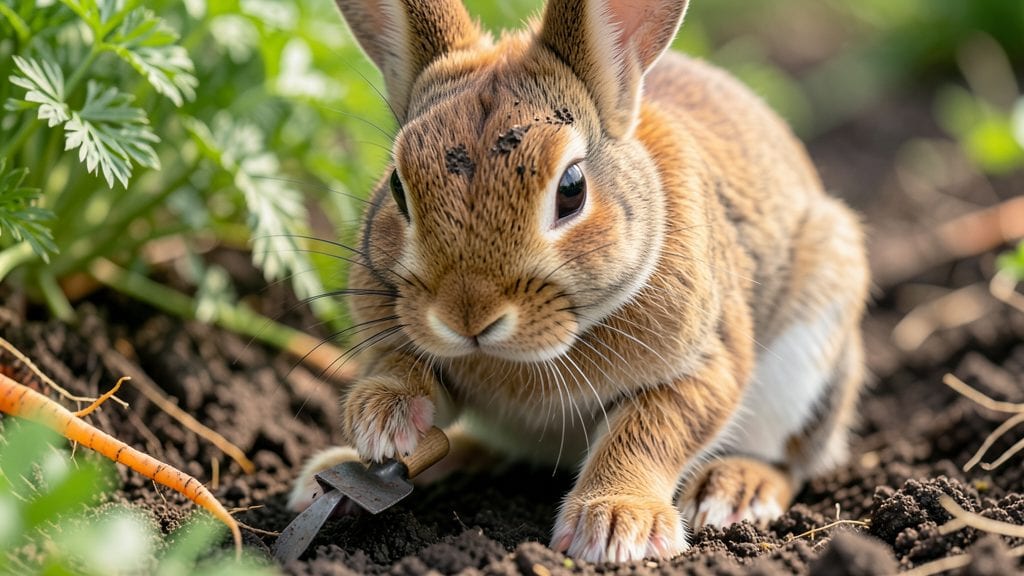
Peter Rabbit gardening balances pest control with wildlife preservation by using natural deterrents like companion planting, physical barriers, and organic sprays while avoiding chemical pesticides that harm beneficial insects and animals.
This eco-friendly gardening approach focuses on creating harmony between your plants and local wildlife. 🌿 By strategically planting rabbit-resistant species like rosemary or sage alongside your vegetables, you naturally repel pests without harming pollinators.
Physical barriers such as chicken wire fencing or raised beds provide physical protection while still allowing beneficial creatures access to your garden. The key is combining multiple methods—like planting garlic near vulnerable crops—to create a multi-layered defense system that works with nature rather than against it.
What makes this method particularly effective is how it addresses both immediate pest problems and long-term ecosystem health. Unlike chemical solutions that can create imbalances in your garden's food chain, these natural approaches maintain the delicate balance of your local environment.
For example, predator urine (like fox or coyote) can deter rabbits while still being safe for birds and bees that visit your garden. The result? A thriving garden that supports biodiversity and keeps those pesky bunnies at bay.
💡 In This Article
- Natural Deterrents for Rabbit-Resistant Gardens
- Creating Wildlife-Friendly Garden Layouts
Natural deterrents for rabbit-resistant gardens
Here's what actually happens when you use natural deterrents: rabbits have an incredible sense of smell (up to 300 times more sensitive than humans) and taste, so strong scents and bitter flavors trigger their avoidance instincts.
Companion planting works because certain herbs like garlic and onions release sulfur compounds that rabbits find repellent, while lavender emits oils that disrupt their foraging patterns. The key is creating a sensory barrier—think of it like a garden's natural "do not disturb" sign for bunnies. 🌿
Physical barriers take this a step further by removing the temptation entirely. Chicken wire with 1-inch mesh (buried 6 inches deep) creates an impenetrable fence for young rabbits, while raised beds elevate plants above their reach.
What most people don't realize is that rabbits can jump up to 3 feet vertically, so barriers need to be taller than you'd expect. For delicate plants, floating row covers work like invisible shields, allowing sunlight and water through while blocking access.
The beauty is these methods protect your entire garden ecosystem—birds can still forage, bees can pollinate, and beneficial insects thrive.
Organic repellents like hot pepper spray (mix 2 tablespoons cayenne pepper with 1 gallon water) create a temporary but effective deterrent. The capsaicin in peppers causes irritation without harming the environment—just reapply every 1-2 weeks or after rain.
Predator urine (fox or coyote) works through psychological conditioning; rabbits associate the scent with danger and avoid treated areas. The science here is fascinating: these smells trigger the same fight-or-flight response in rabbits as seeing a predator would, but without the ecological damage of chemicals. 🐇
What makes these methods truly effective is their layered approach. For example, planting rosemary around vegetable beds provides both scent deterrence and physical protection (sharp leaves deter nibbling), while a 3-foot tall fence creates a perimeter defense.
The combination creates what ecologists call "defense in depth"—multiple barriers that make your garden less appealing to rabbits while maintaining its health for other wildlife. Seasonal adjustments matter too: in spring, focus on scent-based deterrents when rabbits are most active, while summer's heat may reduce their foraging.
Let's talk about what doesn't work: mild herbs like mint or basil alone won't deter rabbits—they need stronger scents. Similarly, single methods (like just fencing) often fail because determined rabbits will find weak points. The most successful gardens combine 3-4 deterrent methods simultaneously.
For instance, I've seen gardens use garlic companion planting, hot pepper spray, and a 2-foot tall fence around new plantings—this triple approach creates a nearly impenetrable defense system that rabbits simply avoid. The result? A garden that thrives without chemicals, where wildlife coexists peacefully with your crops. 🌱