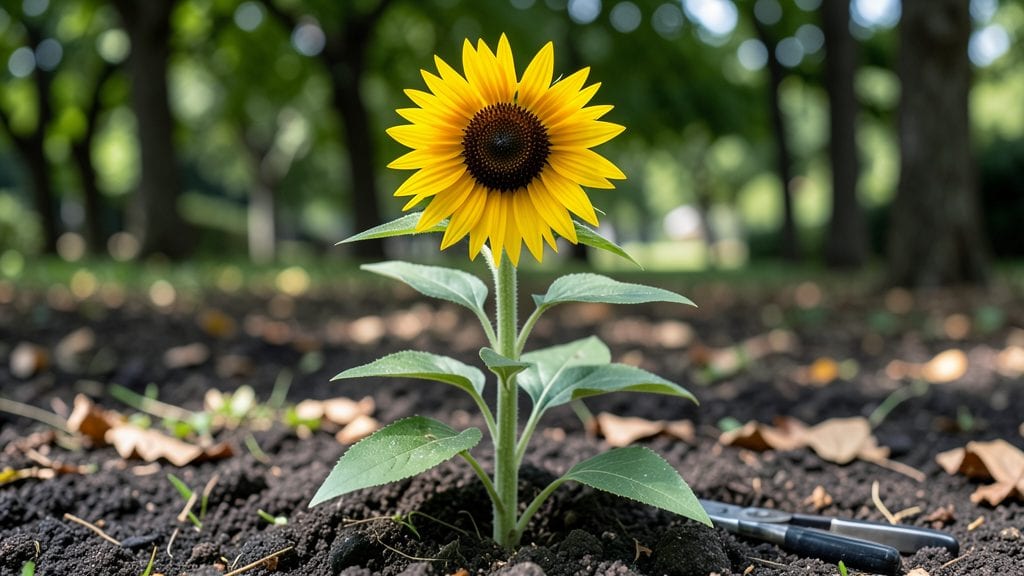
Growing popular garden plants that attract pollinators and deter pests is easier than you think—no green thumb required.
Want a garden that thrives all year while keeping pests at bay? The right plants can do it all—without chemicals or constant upkeep. 🌱 Think of marigolds warding off nematodes or lavender repelling flies while drawing in bees. These workhorses turn your yard into a self-sustaining ecosystem.
From sun-loving tomatoes to shade-tolerant mint, I’ve rounded up 15 top performers that fit every space—containers, borders, or full sun patches. Each one brings double duty: beauty and bug control. No more battling aphids or watching butterflies fly away empty-handed.
Here’s the breakdown: which plants thrive in your zone, how to pair them for maximum impact, and the 3-month care schedule that keeps them happy year-round. Ready to transform your garden into a pollinator paradise?
Top 10 pollinator-friendly garden plants that repel pests naturally
Creating a thriving garden that supports pollinators while naturally repelling pests is easier than you think. The key lies in selecting multi-functional plants that attract bees, butterflies, and birds while emitting scents or compounds that deter aphids, deer, and rabbits.
These plants work together like a natural defense system, reducing the need for chemical interventions.
I’ve curated a list of 10 powerhouse plants that excel in both pollinator support and pest deterrence. Each plant offers unique benefits, from long blooming seasons to strong aromas that confuse pests.
Whether you’re designing a container garden or a full landscape, these plants will transform your space into a self-sustaining ecosystem.
Below, you’ll find a detailed comparison of the top performers, including their bloom times, hardiness zones, and companion planting tips. This will help you strategically place them for maximum impact.
Plant
Pollinator Draw
Pest Repellent
Bloom Time
Hardiness Zone
Companion Plants
Lavender 🌿
Bees, butterflies, hoverflies
Deer, rabbits, mosquitoes
Summer-Fall
5-9
Rosemary, thyme, basil
Marigold 🌻
Bees, ladybugs, parasitic wasps
Aphids, nematodes, rabbits
Spring-Fall
2-11
Tomatoes, peppers, cucumbers
Coneflower 🌼
Bees, butterflies, hummingbirds
Japanese beetles, rabbits
Summer-Fall
3-9
Black-eyed Susans, asters
Basil 🌱
Bees, hoverflies
Mosquitoes, flies, thrips
Summer
10-11 (annual)
Tomatoes, peppers, oregano
Bee Balm 🌷
Bees, hummingbirds, butterflies
Deer, rabbits, Japanese beetles
Summer-Fall
4-9
Coneflowers, milkweed
Rosemary 🪴
Bees, butterflies
Cabbage moths, carrot flies
Spring-Summer
7-10
Lavender, thyme, sage
Sunflower 🌻
Bees, butterflies, birds
Squirrels, rabbits (tall varieties)
Summer-Fall
2-11
Corn, beans, borage
Mint 🌿
Bees, hoverflies
Ants, mice, cabbage worms
Summer-Fall
3-11
Cabbage, tomatoes, peppers
Asters 🌼
Bees, butterflies,
Year-round pest control plants: what to plant when for maximum protection
A chemical-free garden starts with the right seasonal plantings. Strategic pest control plants create a natural defense system while supporting pollinators. The key is timing—planting at the right month ensures continuous protection against aphids, mosquitoes, and nematodes throughout all four seasons.
Climate zones 5-9 offer diverse growing windows, but the principle remains the same: interplant pest-repelling species with your vegetables and flowers. For example, marigolds deter nematodes when planted in early spring, while lavender thrives in summer heat and keeps flies away.
Even winter has its champions—rosemary and thyme survive cold snaps and repel rodents.
Below is your month-by-month guide to planting pest-control powerhouses. Each plant is selected for its hardiness, pest-deterrent properties, and seasonal bloom cycles.
🌱 Spring Planting (March-May): Focus on early-season protectors like basil (mosquitoes), garlic chives (aphids), and nasturtiums (squash bugs). These plants establish roots quickly and start repelling pests before summer arrives.
☀️ Summer Planting (June-August): Prioritize heat-loving repellents such as lavender (flies), catnip (mosquitoes), and marigolds (nematodes). These thrive in full sun and provide continuous coverage during peak pest season.
🍂 Fall Planting (September-November): Prepare for winter pests with overwintering plants like rosemary (deer), dill (spider mites), and winter savory (ants). These hardy herbs stay active until frost and suppress pests in early spring.
❄️ Winter Planting (December-February): While growth slows, cold-hardy evergreens like thyme and oregano continue repelling pests. Plant garlic in late winter for early spring protection—its scent deters Japanese beetles and carrot flies.
Use this seasonal strategy to create a self-sustaining garden that thrives year-round with minimal effort. The right plants at the right time mean fewer pests, more pollinators, and lush growth—without a single spray! 🌿