Flowers
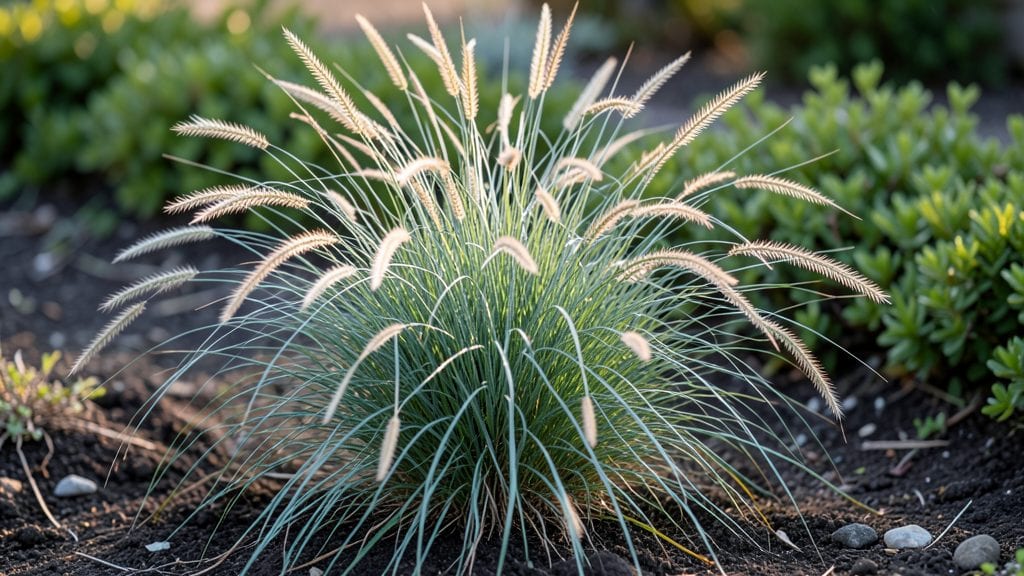
Texas flower gardening starts with plants that laugh at 100-degree days. 🌵 I’ve learned the hard way—most store-bought annuals wilt faster than my willpower in July, but native Texas blooms like blackfoot daisies and Turk’s cap keep flowering like they’re on vacation.
The secret isn’t coddling them; it’s choosing the right tough customers for your yard.
Your soil and sun exposure are the real dealbreakers here. Most of Texas has alkaline soil and brutal sun, so we skip the fussy roses and go straight for drought-tolerant powerhouses like bluebonnets or Mexican feather grass.
A simple raised bed with 3 inches of compost mixed in gives struggling plants a fighting chance, and mulching with gravel or native wood chips keeps roots cool. Watering deep once a week beats daily sprinkles—trust me, your water bill will thank you.
By mid-summer, your garden will look like a postcard instead of a sad, wilting memory. Imagine vibrant purple salvias swaying in the breeze, crimson zinnias that never quit blooming, and silvery blue flax adding texture without drama.
These plants don’t just survive—they thrive, attracting hummingbirds and butterflies while barely asking for water. The best part? They come back year after year, proving Texas gardens can be both stunning and low-maintenance.
Whether you’re in the Hill Country’s rocky soil or the Gulf Coast’s humidity, the same rules apply: pick natives, prep the soil, and water smart. Start small with a 4x4-foot bed to test what works in your microclimate, then expand as you fall in love with these heat-proof beauties.
Your neighbors will be asking for cuttings by August.
📚 In This Guide
- What you need
- Instructions
- Tips and common mistakes
- Wrapping up and next steps
What you need
- ● Native Texas flowers: Choose heat-tolerant varieties like Lantana, Blackfoot Daisy, Mexican Feather Grass, or Bluebonnets (seeds or young plants). Pro tip: Start with 3–5 plants per square foot for full coverage!
- ● Well-draining soil: Mix native soil with compost (1 part compost to 3 parts soil) to improve fertility and drainage. Aim for 1–2 cubic yards per 100 sq. ft.
- ● Mulch: Use 2–3 inches of organic mulch (cedar chips, pine straw, or compost) to retain moisture and regulate soil temp.
- ● Slow-release fertilizer: Opt for a balanced, low-nitrogen option (e.g., 5-5-5 or 10-10-10) to avoid burning plants. Apply 1–2 lbs per 100 sq. ft. at planting.
- ● Basic gardening tools: Trowel or hand shovel
- ● Pruners (bypass pruners for clean cuts)
- ● Garden fork (for aerating soil)
- ● Watering can or hose with a soaker nozzle (for deep watering)
- ○ Optional (but helpful!): Wheelbarrow (for hauling soil/mulch)
- ● Knee pads or stool (for comfort)
- ● pH testing kit (to check soil acidity; ideal range: 6.0–7.5 for most Texas flowers)
- ● Sunlight: Ensure your garden gets 6+ hours of direct sun daily—most Texas natives thrive in full sun!
- ● Water source: Plan for deep watering 2–3 times per week (more during extreme heat). Drip irrigation is ideal.
- ● Drainage: Avoid low-lying areas where water pools. If needed, amend clay soil with sand or perlite.
- ● Local climate prep: Plant in early spring (March–April) or fall (September–October) to avoid peak summer heat stress.
Step-by-step guide to designing a heat-resilient Texas flower garden
Here’s how to create a vibrant, drought-tolerant flower garden that blooms reliably in Texas’s intense sun.
🌱 Step 1: Select Native and Heat-Adapted Flower Varieties
Texas’s 100°F+ summers demand flowers with deep root systems and waxy, moisture-retaining leaves. I always start with native species like blackfoot daisy (Melampodium leucanthum), Mexican feather grass (Nassella tenuissima), and autumn sage (Salvia greggii)—they’ve evolved to thrive here. Add Lantana for its drought tolerance and pollinator magnetism, and Texas bluebonnet (Lupinus texensis) for early spring color.
For extended bloom times, mix in annuals like celosia and zinnia, which tolerate heat better than traditional favorites. Avoid fussy imports like impatiens—they’ll wilt within weeks. Check each plant’s USDA Hardiness Zone (Texas ranges from 7a-11) and water needs before buying. Stick to drought-tolerant labels—this ensures zero hand-watering after establishment.
☀️ Step 2: Optimize Sun Exposure and Soil Conditions
Texas gardens need full sun (6+ hours daily), but afternoon shade (3–4 PM) protects petals from scorching in Zone 9+. I group heat-lovers like yucca and desert marigold (Baileya multiradiata) in the hottest spots, while salvias and gaillardias get morning sun with afternoon relief. Use gravel mulch (¼–½ inch) around plants to reflect heat and reduce soil evaporation.
Amend heavy clay soil with 3–4 inches of compost (not peat moss—it dries out too fast) to improve drainage. Test your soil’s pH: most Texas natives prefer slightly alkaline (7.0–8.0). If your soil is too acidic, mix in 1 cup of crushed limestone per square foot—this mimics the natural limestone bedrock of the region. Water deeply once a week after planting to encourage deep root growth.
💧 Step 3: Install an Efficient Irrigation System
Drip irrigation is non-negotiable in Texas. I install ¼-inch tubing with emitters spaced 12–18 inches apart, delivering ½–¾ gallon per hour directly to the soil. Run lines only in the morning (6–9 AM) to prevent fungal diseases from overnight moisture. Bury tubing 1–2 inches deep to shield it from UV damage and reduce evaporation.
Add a rain sensor to shut off automatically during storms—this saves water and prevents root rot. For newly planted flowers, water every 2–3 days until they’re established (usually 6–8 weeks), then taper to weekly deep soakings. Watch for wilting leaves by noon—that’s your signal to water again. Mulch with 2–3 inches of shredded hardwood to lock in moisture.
✂️ Step 4: Prune and Maintain for Continuous Bloom
Deadhead spent blooms weekly to encourage reblooming in Lantana, Zinnia, and Salvia. Cut back leggy stems to half their height in early spring—this triggers bushier, more heat-resistant growth. For perennials like blackfoot daisy, shear back ⅓ of the plant in late winter to remove dead foliage and stimulate new shoots.
Fertilize lightly in spring with 5–10–10 (½ cup per 10 sq ft) and never after July—too much nitrogen stresses plants in summer. Instead, side-dress with compost tea every 4–6 weeks for micronutrients. Watch for aphids or whiteflies (common in Texas heat) and blast them off with soapy water—chemicals can harm pollinators.
🪴 Step 5: Plan for Seasonal Color Transitions
Spring: Bluebonnets, coreopsis, and Texas columbine (March–May).
Summer: Lantana, gaillardia, and salvias (June–September).
Fall: **Mexican sunflower (Tithonia rotundifolia) and fall phlox (October–November).
Winter: Christmas cactus, paperwhite narcissus, and hellebores (December–February).
Layer plants with
Tips & tricks for perfect Texas flower gardening
Creating a thriving Texas flower garden isn't just about planting—it's about understanding the unique challenges of our intense climate. Here are the game-changing strategies I've learned after years of trial (and a few failed blooms) in the Lone Star State.
Native Plant Pairing: The secret to continuous color lies in strategic plant combinations. Pair blackfoot daisy with Mexican feather grass—the grass's airy texture contrasts beautifully with the daisy's bright yellow blooms while both thrive in the same 100°F+ conditions. For summer heat, combine Lantana with gaillardia—they both love full sun and bloom simultaneously. I've found that grouping plants with similar water needs (like salvias and yucca) eliminates the guesswork in irrigation.
Soil Science: Don't just amend your soil—transform it. That 3-4 inches of compost you're adding? Mix in 1 part perlite to 3 parts compost for clay-heavy Texas soils to create perfect drainage. For alkaline-loving natives, spread ½ cup of crushed oyster shell per square yard annually to maintain that 7.0-8.0 pH range. I learned this the hard way when my bluebonnets refused to bloom—turns out they needed that extra calcium boost!
Irrigation Insights: Your ¼-inch tubing setup is brilliant, but here's the pro move: install pressure regulators on your main line to prevent water hammer damage during those morning waterings. For new plantings, I've switched to soaker hoses temporarily—they deliver water at ½ gallon per hour right to the root zone without wetting foliage, which drastically reduces fungal issues. And those rain sensors? Set them to activate only after ½ inch of rain—Texas storms can dump way more than that!
Seasonal Transition Hacks: The key to year-round interest is what I call "the 3-5 rule"—group 3-5 plants per variety in odd-numbered clusters for natural fullness. For fall color, plant Mexican sunflower near your gaillardia—they'll overlap beautifully in October. Winter interest? Tuck paperwhite narcissus into containers near your patio—their fragrance will perfume the air while they bloom. And here's a trick I picked up from local nurseries: use red mulch in summer and brown mulch in winter to visually extend the seasons.
Pro Tips for Texas Flower Gardening
- Creating a thriving Texas flower garden isn't just about planting—it's about understanding the unique challenges of our intense climate.
- Native Plant Pairing: The secret to continuous color lies in strategic plant combinations.
- Soil Science: Don't just amend your soil—transform it.
Frequently asked questions
Got questions about growing vibrant flowers in Texas’s fierce sun? You’re not alone! Here are answers to the most common concerns—so you can garden with confidence, even when the heat is on.
What are the best heat-tolerant flowers for Texas gardens?
Opt for sun-loving natives like Lantana, Blackfoot Daisy, or Mexican Sunflower. These thrive in Texas heat (90°F+), require minimal water, and attract pollinators. Check our materials guide for soil and sunlight tips!
When is the best time to plant flowers in Texas?
For spring blooms, plant in late winter to early spring (Feb–March) after the last frost. Fall planting (Sept–Oct) avoids summer heat stress. Pro tip: Soak seeds/transplants before planting to reduce shock!
How often should I water my Texas flower garden?
Water deeply 2–3 times per week in summer (early morning), but reduce to weekly in fall/winter. Mulch (2–3 inches) retains moisture. Watch for wilting: If leaves droop by noon, it’s time to water!
What pests should I watch for in Texas flower gardens?
Common culprits include aphids, whiteflies, and spider mites. Use neem oil or insecticidal soap for mild infestations. Preventative tip: Encourage ladybugs—they’re natural pest controllers!
Can I grow flowers in containers in Texas heat?
Use fast-draining pots (terracotta or fabric) with cactus/succulent mix. Choose compact varieties like Zinnias or Portulaca. Key: Containers dry out faster—water daily in peak heat!
What do I do if my flowers stop blooming in the heat?
Deadhead spent blooms regularly to encourage new growth. Over-fertilizing (especially nitrogen) can reduce flowers—switch to low-phosphorus fertilizer (like 5-10-5) for more blooms. Shade cloth (30–50%) can help sensitive varieties.
Still stumped? Drop your Texas gardening woes in the comments—we’re happy to help!
Wrapping up and next steps
Texas flower gardening is all about embracing the sun and heat with confidence—because your garden can be just as vibrant as the Lone Star State itself! 🌵🌸 From drought-resistant natives to bold annuals, the right blooms will reward you with stunning color and resilience all season long.
Ready to dive in? Start small with a single sun-loving plant or sketch a full garden plan—every blooming step counts. Grab your gloves, soak up the Texas sunshine, and let your garden flourish! 🌞