Vegetables
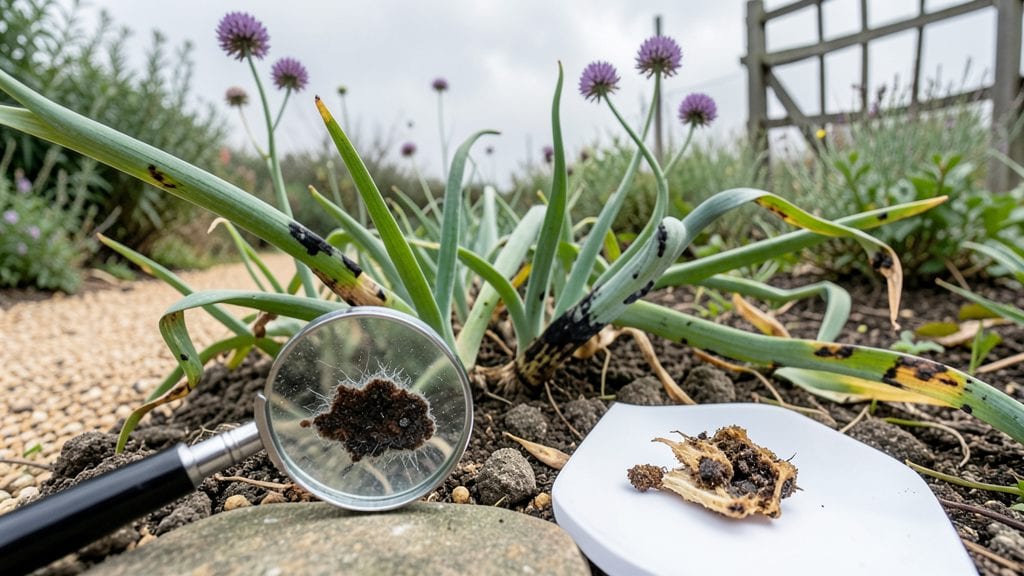
Vegetable garden fungus turns your hard work into a battle with unsightly spots and wilting leaves—until you learn the right organic fixes. 🌱 I’ve lost entire tomato harvests to early blight and watched peppers collapse from powdery mildew, but these methods now keep my garden thriving without harsh chemicals.
The key isn’t just sprays; it’s understanding why fungus strikes and how to starve it before it spreads.
Most fungal problems start with too much moisture, poor airflow, or crowded plants. Early blight shows as concentric brown rings on leaves, while downy mildew leaves a fuzzy white coating that turns yellow.
Powdery mildew, on the other hand, looks like dusting flour—all signs your plants are begging for better growing conditions. The good news? You can reverse this with simple, non-toxic solutions that work faster than you’d expect.
Start by removing infected leaves immediately (compost them away from the garden) and space plants to let air circulate.
A homemade baking soda spray (1 teaspoon per quart of water with a drop of soap) stops powdery mildew in its tracks, while neem oil tackles early blight by disrupting fungal spores.
For prevention, mulch with straw to keep soil dry and choose resistant varieties like ‘Defiant PhR’ tomatoes or ‘Arkansas Traveler’ peppers—my go-to for fungus-free harvests.
This isn’t about guesswork—it’s about proactive care. With these steps, you’ll save your plants, your soil, and your sanity. The best part? Your next harvest will be cleaner, healthier, and actually yours to enjoy without chemical residues. Let’s get your garden back on track.
The Hidden Triggers Behind Fungal Growth
Fungal outbreaks in your vegetable garden aren’t random—they’re the result of specific conditions coming together like a recipe for disaster. Understanding these triggers is the first step to preventing them.
Below, we break down the real culprits behind fungal growth, explained in clear, actionable science so you can stop the problem before it starts.
Fungi thrive in moisture-rich environments, and excess water is their favorite breeding ground. Here’s why:
- Poor Drainage: Compacted or clay-heavy soil traps water, creating a damp, oxygen-poor zone where fungal spores (like Phytophthora or Pythium) germinate rapidly. 🔬 Science note: Fungi need free water (not just humidity) to infect plants—think of it like a sponge soaking up spores.
- Frequent Overwatering: Watering at the wrong time (e.g., late in the day) or using sprinklers that soak leaves can leave foliage damp for hours—ideal for diseases like powdery mildew or downy mildew.
- Standing Water: Low spots or poorly sloped beds create puddles, inviting root-rotting fungi like Rhizoctonia.
Actionable Fix:
- Test your soil’s drainage by digging a 12-inch hole, filling it with water, and timing how long it takes to drain. Ideal: 4–6 hours.
- Water early in the day (before 10 AM) to allow foliage to dry.
- Use raised beds or amend soil with compost or perlite to improve aeration.
Fungi spread like wildfire in stagnant, humid air. Crowded plants or dense canopies trap moisture and block sunlight, creating the perfect fungal buffet.
- Close Planting: Vegetables like tomatoes or cucumbers with thick leaves create a microclimate where humidity lingers. 🌡️ Fun fact: Humidity above 75% for prolonged periods skyrockets fungal activity.
- Shade from Other Plants: Tall crops (e.g., corn) can cast shade on shorter plants, slowing evaporation and keeping leaves damp.
- Nighttime Dew: While dew is natural, plastic mulch or row covers can trap it against leaves, accelerating infections like early blight or **gray mold (Botrytis).
Actionable Fix:
- Space plants according to their mature size (check seed packets for guidance).
- Prune overlapping leaves to improve airflow—aim for 3–4 inches of space between foliage.
- Use drip irrigation instead of sprinklers to avoid wetting leaves.
Healthy plants resist fungi better than stressed ones. When plants are compromised, fungi move in like vultures.
- Nutrient Deficiencies: Lack of phosphorus or potassium** weakens cell walls, making plants vulnerable. 📊 Data point: Plants deficient in potassium are 3x more likely to succumb to fungal diseases.
- Physical Damage: Injuries from harsh pruning, hail, or insect bites create entry points for spores.
- Over-Fertilizing with Nitrogen: Too much nitrogen promotes soft, lush growth—delicious for fungi like Sclerotinia (white mold).
Actionable Fix:
- Conduct a soil test to check nutrient levels and amend with balanced organic fertilizers (e.g., 5-10-10 or compost tea).
- Hard-prune only when necessary, and use clean, sharp tools to avoid tearing tissue.
- Rotate crops annually to prevent soil-borne fungi from building up.
Fungal spores are sneaky survivors—they can hitchhike on tools, compost, or even wind-blown debris.
- Dirty Pruners or Shovels: Spores linger on tools between uses, reinfecting plants. 🧪 Study note: Reusing contaminated tools can spread Fusarium wilt by up to 80%.
- Infested Compost or Mulch: Old compost with moldy layers or wood chips from diseased trees can introduce pathogens.
- Wind or Water Spread: Fungal spores (like those from black spot on roses) can travel miles on breezes or splashing rain.
Actionable Fix:
- Sanitize tools between uses with 70% isopropyl alcohol or a 10% bleach solution.
- Solarize soil in spring by covering it with clear plastic for 4–6 weeks to kill spores (temperatures reach 140°F+).
- Use sterilized potting mix and avoid mulch from unknown sources.
Fungi love warmth—especially when combined with moisture. Think of it as their growth turbocharger.
- Ideal Fungal Temp Range: Most garden fungi thrive between 60–80°F, with 75–85°F being peak activity for pathogens like Alternaria.
- Stagnant Heat: Greenhouses or low-lying areas trap heat and humidity, creating a fungal sauna.
- Nighttime Temperature Drops: Sudden shifts (e.g., 90°F days to 60°F nights) stress plants, lowering their resistance.
Actionable Fix:
- Mulch with straw or wood chips to regulate soil temperature (keeps roots cooler).
- Ventilate greenhouses or use shade cloth in peak summer to reduce heat buildup.
- Avoid planting susceptible crops (e.g., squash, melons) in hot, humid climates unless using resistant varieties.
While compost is great, too much organic debris can feed fungal growth.
- Thatch Layer: A thick layer of dead leaves or grass clippings on soil traps moisture and blocks beneficial microbes.
- Decomposing Plant Waste: Old crop residues (especially from susceptible plants) harbor spores over winter.
- Over-Composted Soil: Fresh compost is fine, but overly decomposed (mushy) compost can introduce fungal pathogens.
Actionable Fix:
- Remove and compost (not reuse) infected plant debris—do not add it back to the garden.
- Turn compost piles regularly to balance decomposition and reduce fungal dominance.
- Top-dress soil with a thin layer of fresh compost (¼ inch) instead of piling it on.
Quick Fixes For Common Garden Fungus
Fungal issues in your vegetable garden can feel like a losing battle, but with the right approach, you can restore your plants to health—organically and effectively. Below are targeted solutions for the most common fungal problems, paired with prevention tips to keep your garden thriving.
Powdery mildew appears as a white, powdery coating on leaves, often on cucumbers, squash, and beans. It thrives in humid conditions but is easily managed.
How to Fix It:
- 🔥 Remove Infected Leaves – Snip off heavily infected foliage (don’t compost it—toss it in the trash).
- 🍳 Baking Soda Spray – Mix 1 tsp baking soda + 1 tbsp vegetable oil + 1 tsp mild soap in 1 gallon of water. Spray leaves every 7–10 days to prevent recurrence.
- 👨🍳 Improve Airflow – Space plants properly and prune crowded vines to reduce humidity.
- 🌱 Resistant Varieties – Plant mildew-resistant seeds (e.g., ‘Liberty’ cucumbers or ‘Tasty Jade’ peas).
Prevention Tip: 💡 Water in the morning to allow foliage to dry quickly—fungi love damp leaves!
Blight causes dark, greasy spots on tomatoes, potatoes, and peppers. Early blight attacks lower leaves, while late blight spreads rapidly in wet weather.
How to Fix It:
- 🔪 Prune & Destroy – Remove infected leaves immediately (do not compost). Burn or trash them.
- 🌡️ Copper Fungicide Spray – Use organic copper fungicide (like Bordeaux mixture) every 10–14 days once symptoms appear.
- 🎯 Mulch Strategically – Use straw or grass clippings (not wood chips) to keep soil dry and prevent spore splash.
- ⏰ Adjust Planting Times – Avoid succession planting in the same spot; wait 3–4 years before replanting susceptible crops.
Prevention Tip: ✨ Plant resistant varieties like ‘Defiant’ tomatoes or ‘Gold Rush’ potatoes.
Root rot (often from Phytophthora or Pythium) causes wilting, yellowing, and mushy roots. It’s common in heavy, poorly drained soil.
How to Fix It:
- 💧 Improve Drainage – Amend soil with compost + perlite (1:1 ratio) to loosen clay-heavy beds.
- 🍳 Hydrogen Peroxide Soak – For seedlings, soak roots in 3% hydrogen peroxide (1 part to 20 parts water) for 10 minutes before transplanting.
- 🌱 Solarize Soil – In hot climates, cover infected beds with clear plastic for 4–6 weeks to kill fungi.
- 🔄 Rotate Crops – Never plant susceptible veggies (like peppers or eggplants) in the same spot for 2+ years.
Prevention Tip: 🌡️ Test your soil’s pH—most fungi prefer acidic soil (pH <6.0). Aim for 6.2–6.8 with lime if needed.
Rust appears as orange pustules on leaves, weakening plants like beans, spinach, and brassicas. It spreads via wind and water.
How to Fix It:
- 🔪 Remove & Replace – Cut off infected leaves and replace the plant if rust is severe (some plants won’t recover).
- 🍳 Neem Oil Spray – Mix 1 tbsp neem oil + 1 tsp soap in 1 quart water. Spray weekly until new growth appears.
- 🌱 Mulch with Straw – Keeps spores from splashing onto leaves during watering.
- 🎯 Avoid Overhead Watering – Use drip irrigation or water at the base.
Prevention Tip: 💡 Plant rust-resistant varieties like ‘Provider’ beans or ‘Red Fire’ spinach.
For any fungus, strengthen your plants’ natural defenses with these proactive steps:
- 💪 Foliar Feeds – Spray seaweed extract (1 tbsp/gallon) every 2 weeks for silica, which toughens plant cell walls.
- 🌱 Companion Planting – Interplant with garlic, chives, or marigolds—their antifungal properties deter spores.
- 🌡️ Soil Health – Add mycorrhizal fungi (beneficial soil microbes) to outcompete pathogens.
- ⏰ Crop Rotation – Never plant the same family (e.g., nightshades) in the same spot two years in a row.
Final Pro Tip: 🎯 Act fast! The sooner you treat fungal issues, the less damage they’ll cause—and your veggies will bounce back stronger. Keep an eye on weather forecasts; fungi love humidity, so adjust watering and airflow when rain is predicted.
Frequently asked questions about vegetable garden fungal issues
Why does fungus keep coming back even after I treat it?
Fungal spores often survive in soil, compost, or plant debris. If you don’t remove infected leaves (especially from the garden, not compost) or rotate crops, the same spores will reinfect new plants. Also, poor airflow or overwatering creates ideal conditions for regrowth. Break the cycle by sanitizing tools, improving drainage, and spacing plants properly.
Can I still eat vegetables with fungal spots?
It depends on the fungus and location. Small, isolated spots on fruit (like tomatoes) can often be cut away, but avoid eating leaves or stems with fungal growth. For root vegetables, wash thoroughly but discard any with soft, discolored areas. When in doubt, compost the affected parts away from your garden to prevent spread.
How do I know if my plant has fungus or just needs more water?
Check for these clues: Fungal infections often show as powdery white coatings (mildew), dark spots with yellow halos (blight), or orange pustules (rust). Wilting from fungus usually happens with other symptoms, while underwatering causes crispy edges and dry soil. Press your finger into the soil—if it’s bone dry, water first. If you see suspicious growth, treat preventively with neem oil.
Are there any plants that naturally repel fungus?
Yes! Plant these companions near susceptible crops: garlic, chives, marigolds, basil, oregano, and thyme. Their antifungal properties create a protective barrier. For example, basil near tomatoes reduces early blight by up to 40%, while marigolds deter root rot. Interplant them every 3–4 feet for best results.
What’s the fastest way to stop powdery mildew before it spreads?
Act immediately with a baking soda spray: Mix 1 teaspoon baking soda + 1 tablespoon vegetable oil + 1 teaspoon mild soap in 1 gallon of water. Spray both sides of leaves in the morning when humidity is low. Repeat every 7–10 days and prune crowded foliage to improve airflow. This stops mildew in 3–5 days if caught early.