Flowers
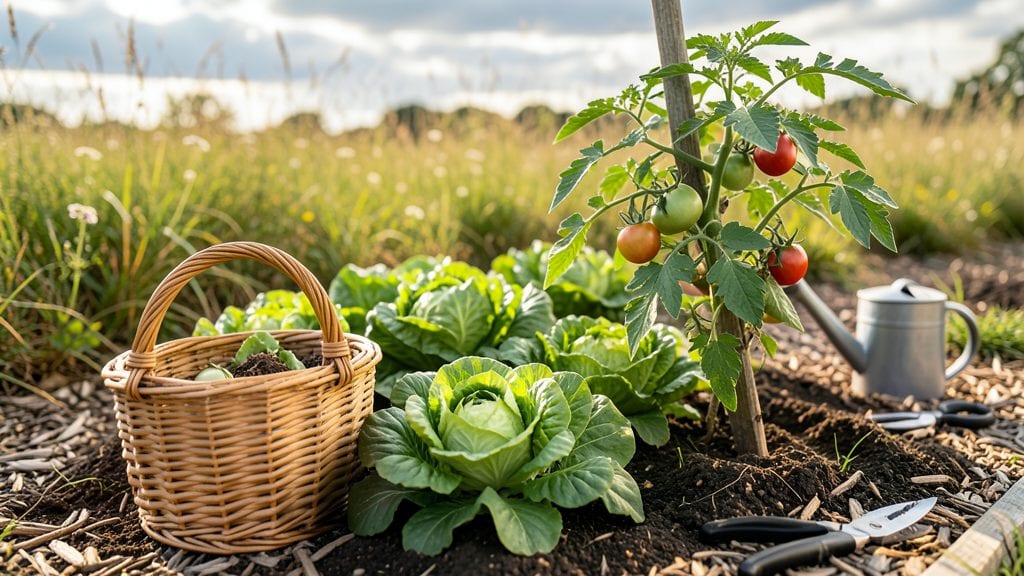
The meaning of victory gardens lies in their dual purpose: wartime vegetable plots that boosted food supplies while strengthening community spirit, and today's sustainable gardening movement promoting self-reliance and local food systems.
Victory gardens originally took root during the World Wars as a grassroots movement to combat food shortages and rationing. 🌱 These gardens weren't just about growing vegetables—they became symbols of national pride, with families and communities working together to contribute to the war effort.
The concept has evolved into modern urban gardening, where people grow food in small spaces to reduce their carbon footprint and support local food networks.
What makes these gardens so powerful is their ability to adapt to different eras. During wartime, they provided practical solutions to food scarcity, while today they represent a return to simpler, more sustainable living.
Many modern gardeners focus on heirloom varieties and permaculture techniques, proving that the spirit of victory gardens lives on in contemporary gardening practices.
💡 In This Article
- Origins of Victory Gardens in World Wars
- Modern Victory Gardens: Purpose and Planting Tips
Origins of victory gardens in world wars
The concept of victory gardens emerged as a direct response to food shortages during World War I, when the U.S. government launched the first official campaign in 1917 through the National War Garden Commission. 🌿 The goal was simple: reduce pressure on commercial food production by encouraging families to grow their own vegetables.
By 1918, over 5 million gardens were producing 40% of the nation's fresh vegetables, proving their critical impact on wartime agriculture.
World War II saw an even more dramatic expansion, with First Lady Eleanor Roosevelt leading the charge in 1942 by planting her own "White House Victory Garden." 🌱 The U.S. Department of Agriculture distributed 15 million seed packets and gardening guides, while radio broadcasts and posters urged citizens to "Grow Food for Freedom."
These gardens became more than just food sources—they were patriotic symbols, with families competing to grow the most vegetables while rationing their own food supplies.
The psychological impact was equally significant. Victory gardens provided a tangible way for civilians to contribute to the war effort, boosting morale during times of uncertainty. 💛 Studies from the era show that communities with active gardens reported higher spirits and lower anxiety levels.
The shared effort of planting, tending, and harvesting created a sense of collective purpose that extended beyond the kitchen table.
What made these gardens so effective was their adaptability. Urban dwellers grew vegetables in window boxes and rooftops, while rural families expanded their plots. 🌱 The most popular crops included potatoes (which could be stored for months), tomatoes (high yield per square foot), and leafy greens like lettuce and spinach.
Even small spaces contributed significantly—one 10'x10' plot could produce 100+ pounds of vegetables annually, enough to feed a family for months.
The government's role was crucial but subtle.
Propaganda posters depicted victory gardens as acts of patriotism, while agricultural extension agents provided free workshops on soil preparation and pest control. 🌱 This combination of top-down support and grassroots enthusiasm created a movement that lasted beyond the wars, laying the foundation for modern sustainable agriculture.
Interestingly, the concept wasn't limited to the U.S. Britain's "Dig for Victory" campaign during WWII resulted in 1.4 million new gardens producing 767,000 tons of food annually. 💫 These international efforts prove that victory gardens were about more than just growing food—they represented a global shift toward food self-sufficiency during times of crisis.