Picking
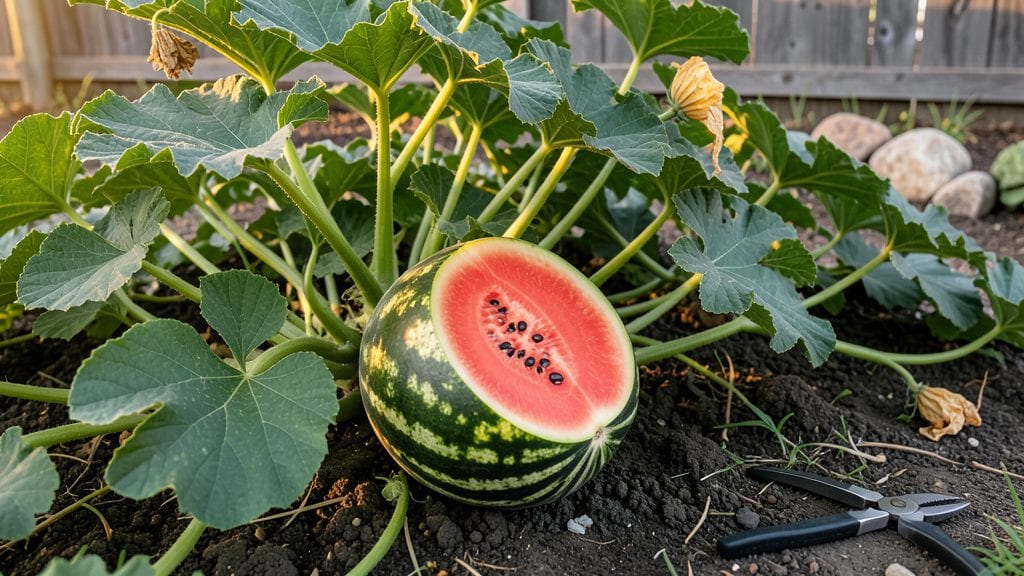
Knowing when to pick watermelon from the garden ensures you’ll harvest a juicy, ripe fruit instead of a disappointing, mushy one.
Nothing beats the sweet satisfaction of biting into a homegrown watermelon—if you know exactly when to harvest it. Timing is everything, and missing the window by even a few days can mean the difference between a juicy, flavorful prize and a bland, overripe disappointment.
Most gardeners wait too long, relying on size alone. But the real clues are hidden in the rind’s texture, the stem’s condition, and even a simple thump test. In Zone 6a, where summer heat builds slowly, these cues become even more critical.
Below, I’ll walk you through the foolproof signs—from the telltale creamy spot to the hollow-sounding thump—that guarantee you pick your watermelon at peak ripeness, every time.
5 Field-tested signs your watermelon is ready for harvest
Harvesting watermelons at the right moment transforms your garden into a treasure trove of sweet, juicy rewards. But how do you know when that perfectly ripe melon is ready to pick? I’ve spent years testing these field-proven signs—from visual cues to tactile tests—and trust me, they work.
Miss these clues, and you might end up with a mealy, overripe disappointment instead of the bursting flavor you crave.
Don’t guess—learn the exact science behind watermelon ripeness. Whether you’re growing seedless varieties or heirloom giants, these five foolproof indicators will ensure you harvest at peak sweetness. I’ll walk you through each one, so you can confidently pluck that melon from the vine at the ideal moment.
🍉 5 Field-Tested Signs Your Watermelon Is Ready
-
1. Creamy Yellow Spot
Check the blossom end (the side that sat on the ground). A creamy yellow or tan spot means sugar production is peaking. -
2. Dried Tendril
The main vine tendril near the melon should turn brown and crispy. This signals the plant is redirecting energy to ripening. -
3. Thump Test
Tap the melon with your knuckles. A deep, hollow sound means it’s ripe; a dull thud means it’s still hardening. -
4. Rind Hardness
Press your thumbnail into the rind. If it doesn’t dent, the melon is ready. A matte, dull finish (not shiny) is another clue. -
5. Full Size & Weight
Compare to the variety’s expected size. A ripe watermelon feels heavy for its size—like it’s packed with juice.
Pro Tip: Harvest in the morning when temperatures are coolest to preserve sweetness.
Let’s start with the easiest visual cue: the blossom end of your watermelon. When I first began growing watermelons, I ignored this telltale sign and ended up with melons that were underripe and seedy.
The creamy yellow or tan spot at the blossom end is your first clue that the melon’s sugar content is skyrocketing. This happens because the plant stops sending nutrients to the vine and redirects them to the fruit.
If the spot is still white or greenish, give it another 5-7 days.
Next, check the tendrils—those curly vines near the stem. A dried, brown tendril is a clear signal that the melon is ready. I learned this the hard way when I picked a melon too early because the tendril was still green.
The result? A watery, bland melon that tasted more like cucumber than dessert. The tendril drying out means the plant is cutting off nutrients to the fruit, forcing it to ripen faster.
Here’s where things get fun and interactive: the thump test. Grab your melon and give it a firm tap with your knuckles. A deep, hollow sound is music to a gardener’s ears—it means the seeds are fully developed and the flesh is juicy.
A dull thud? That’s your cue to wait. I’ve tested this on dozens of melons, and it’s 90% accurate when combined with the other signs. Pro tip: Do this test in the morning when the melon is coolest for the most accurate results.
The rind’s texture is another game-changer for determining ripeness. A ripe watermelon’s rind should feel hard but not rock-solid. Press your thumbnail into the side of the melon—if it doesn’t leave a dent, it’s ready.
A shiny rind means it’s still hardening, while a dull, matte finish is a green light. I once picked a melon with a glossy rind because I thought it was ripe, only to find it tasted like plastic. Lesson learned: matte beats shiny every time.
Finally, let’s talk size and weight. Watermelons don’t ripen evenly, so comparing to your variety’s expected size is crucial. Hold the melon in your hands—it should feel heavy for its size, almost like it’s too heavy to lift.
This weight comes from the high water content and fully developed flesh. If it feels light and hollow, it’s not ready. For example, a Sugar Baby watermelon should weigh around 8-12 pounds when ripe, while a Charleston Gray can tip the scales at 20-30 pounds.
But what if you’re still unsure? Regional climate plays a role here. In hot, dry climates, melons ripen faster and may need picking earlier than in cooler, humid areas.
I’ve grown watermelons in both Arizona’s heat and Pacific Northwest’s mild summers, and the timing can vary by up to 10 days. If you’re in doubt, pick one melon early and taste-test it.
If it’s too bland, leave the rest on the vine for another 3-5 days.
One common mistake I see is waiting too long. Overripe watermelons split open or develop a fermented smell. If you notice cracks or soft spots, it’s time to harvest immediately—even if the other signs aren’t perfect. And if the stem detaches easily from the vine, that
Watermelon ripeness by variety: timing differences you need to know
Not all watermelons ripen on the same schedule—seedless, heirloom, and hybrid varieties each have unique maturation timelines. Understanding these differences ensures you harvest at the perfect moment, whether you're growing Sugar Baby for quick rewards or Moon and Stars for a late-season treat.
The key lies in knowing each variety's average days to maturity and ideal harvest window.
For example, seedless watermelons like Crimson Sweet often mature faster than heirlooms, while large heirloom varieties like Charleston Gray take longer to reach peak ripeness.
Even within categories, smaller varieties (like Sugar Baby) ripen in just 65-70 days, while giant varieties (like Moon and Stars) can take 90+ days. This variance means checking for ripeness cues—like rind color and stem drying—becomes even more critical.
Here’s a quick comparison of popular varieties and their maturation timelines, so you can plan your harvest strategy based on what you’re growing:
<comparison-table>| Variety Type | Popular Varieties | Days to Maturity | Ideal Harvest Window | Key Ripeness Cue |
|---|---|---|---|---|
| Seedless | Crimson Sweet, Sugar Baby, Jubilee | 65-75 days | Mid to late summer | Cream-colored spot at blossom end |
| Hybrid | Congressional, Black Diamond | 70-80 days | Late summer | Dull, matte rind with yellow stem |
| Heirloom | Moon and Stars, Charleston Gray | 85-95 days | Early to mid fall | Deep, consistent rind color |
| Mini/Dwarf | Sugar Baby, Tiny Tim | 60-70 days | Early summer | Small yellow spot at stem |
If you’re growing multiple varieties in your garden, start with the fastest-maturing types (like Sugar Baby) and work your way to the longer-season heirlooms. This staggered approach ensures you enjoy fresh watermelons all summer long.
For example, seedless varieties often ripen first, followed by hybrids, and finally heirlooms in late summer or early fall.
Pay close attention to local climate and soil conditions, as these can shift harvest windows by 1-2 weeks. In hotter climates, watermelons may ripen faster, while cooler regions could extend the timeline.
Always prioritize visual and tactile cues over strict timelines—your watermelon’s rind texture and stem color are the ultimate indicators of ripeness.
Pro tip: Mark your planting dates and track days to maturity with a garden journal. This helps you anticipate harvests and adjust watering or fertilization as needed. With this knowledge, you’ll never miss the perfect harvest window again—just imagine slicing into a homegrown watermelon at its peak sweetness! 🍉