Pests and Diseases
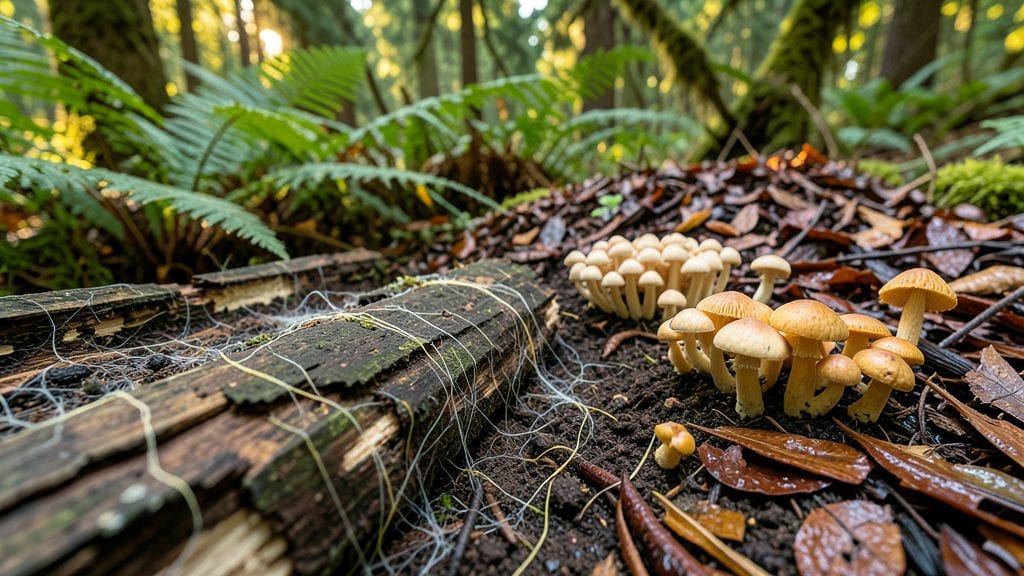
That fuzzy white garden fungus creeping across your leaves isn’t just dirt—it’s a fungus that can weaken plants if ignored. 🌱 I’ve battled powdery mildew, mold, and other white invaders, and I’ll show you how to remove them without poisoning your soil. or killing beneficial microbes.
The key is acting fast with gentle, natural methods that work.
Most white fungus thrives in damp, shaded spots with poor airflow. Powdery mildew looks like dusting, while mold appears slimy or cottony. My go-to fix?
A mix of baking soda, water, and a drop of dish soap—spray it on leaves when they’re dry, and repeat every 5–7 days until it clears. For stubborn cases, neem oil or hydrogen peroxide (3%) can help without harsh chemicals.
You’ll see improvement within a week if you catch it early. Plants will perk up, leaves will stop yellowing, and the white film will fade. The best part?
Your soil stays healthy, and beneficial insects won’t get wiped out. Prevention is easier than cleanup—just space plants properly, water at the base, and avoid overhead sprinklers.
If the fungus keeps coming back or spreads to your entire garden, it might be time to call in a local extension service. But for most home gardens, these simple steps work wonders. Let’s get your plants back to thriving!
Hidden Triggers Of Fungal Growth
White fungal growth in gardens isn’t just a random nuisance—it’s often the result of specific conditions coming together like an unwelcome party. Understanding these triggers is the first step to stopping the spread without harming your soil or plants.
Let’s break down the science behind why this fungus appears in the first place.
Fungi thrive in damp, oxygen-deprived environments, and overwatering creates the perfect breeding ground. When soil stays soggy for too long, it suffocates beneficial microbes and encourages fungal spores to germinate. Poor drainage—whether from compacted soil, clay-heavy ground, or improperly sloped beds—traps excess moisture, turning your garden into a fungal buffet.
Why it happens:
- Excess moisture softens plant tissues, making them easier for fungal hyphae (thread-like structures) to invade.
- Lack of airflow in waterlogged soil reduces competition from bacteria and beneficial fungi, giving harmful strains free rein.
- Root stress from waterlogged conditions weakens plants, making them more susceptible to infection.
Actionable fix: Test your soil’s drainage by digging a hole, filling it with water, and timing how long it takes to drain. If it’s slower than 6 hours, amend with compost or sand to improve aeration.
Leaves, grass clippings, and thick mulch layers may seem like free fertilizer, but they also create a cozy, humid microclimate where fungal spores love to hang out. As organic matter decomposes, it generates heat and moisture—ideal conditions for fungal growth to explode.
Why it happens:
- Decomposing matter raises soil temperature and humidity, speeding up spore germination.
- Blocked airflow under thick mulch or debris prevents evaporation, keeping the area persistently damp.
- Nutrient-rich food source attracts fungal feeders, which then spread to nearby plants.
Actionable fix: Rake away thick layers of mulch (leave a 2-inch layer for healthy gardens) and compost debris properly. Avoid piling leaves or grass clippings directly against plant stems.
Fungi are opportunistic—when temperatures hover between 60–80°F (15–27°C) and humidity stays high (above 70%), spores activate and spread rapidly. Sudden shifts, like warm, rainy days followed by cool nights, create the perfect storm for fungal outbreaks.
Why it happens:
- Warm, humid conditions accelerate fungal metabolism, allowing hyphae to grow faster.
- Condensation on leaves (from temperature swings) provides a moisture bridge for spores to travel.
- Weakened plants from stress (like heat or cold) are more vulnerable to infection.
Actionable fix: Water early in the day to allow foliage to dry, and use shade cloth or drip irrigation to avoid wetting leaves. Improve airflow with strategic plant spacing.
Plants under stress—whether from pests, nutrient deficiencies, or physical damage—release sugars and compounds that attract fungi like a dinner bell. Even minor wounds (like pruning cuts or hail damage) can serve as entry points for fungal invasion.
Why it happens:
- Stress signals (like ethylene gas) alert fungi to "move in" and break down weakened tissue.
- Open wounds provide direct access for hyphae to colonize internal plant structures.
- Nutrient leakage from damaged roots or leaves feeds fungal growth.
Actionable fix: Prune plants with clean, sharp tools and disinfect them with rubbing alcohol. Boost plant resilience with balanced fertilizers and proper watering.
Next, we’ll explore how to identify whether your white fungal growth is harmless or harmful—so you know exactly when to act.
Quick Fixes for Fungal Overgrowth
Fungal growth in your garden doesn’t have to mean disaster—with the right approach, you can restore balance without harming your soil or plants. Below are practical, humane solutions tailored to common causes of white fungal growth, from damp conditions to organic buildup.
Each fix includes prevention tips to keep your garden thriving long-term.
Excess water creates the perfect breeding ground for fungi. If your soil feels soggy or you’ve had recent heavy rains, act fast to reduce humidity while protecting your plants.
How to Fix It:
- 🔥 Improve Drainage: Add a 1–2 inch layer of organic mulch (straw, wood chips, or pine needles) around affected areas. This insulates soil, slows evaporation, and prevents waterlogging.
- 👨🍳 Adjust Watering Habits: Water early in the day (before 10 AM) to allow foliage to dry quickly. Use a soaker hose or drip irrigation to deliver water directly to roots, avoiding wet leaves.
- 🥘 Raise Garden Beds: If moisture is chronic, consider elevating containers or creating raised beds with a mix of compost and perlite for better airflow.
💡 Prevention Tip: Test your soil’s drainage by digging a small hole, filling it with water, and timing how long it takes to drain. If it takes more than 4 hours, amend with sand or grit to improve aeration.
Leaves, plant clippings, and fallen branches trap moisture and nutrients, fueling fungal growth. Instead of tossing everything, repurpose or remove debris strategically.
How to Fix It:
- 🔪 Prune Affected Plants: Trim only the infected parts (white fuzzy patches) with sterilized shears (wipe with rubbing alcohol between cuts). Dispose of clippings in a sealed trash bin—do not compost them.
- 🌿 Clear Mulch and Leaves: Rake away thick layers of mulch or leaf litter from the soil surface. If mulch is still usable, fluff it up to improve airflow.
- 🍳 Compost Smartly: If you must compost, turn the pile frequently and keep it in a well-ventilated bin. Fungal growth in compost is normal, but excess moisture can spread spores—balance with dry materials like shredded newspaper.
✨ Pro Tip: Spread a thin layer of diatomaceous earth (food-grade) around plants to deter fungal spores without harming soil microbes. Reapply after watering.
Fungi thrive in stagnant, humid air. If your garden is crowded or shaded, increase airflow to dry things out naturally.
How to Fix It:
- 🌳 Thin Out Plants: Remove overcrowded or weak plants to allow sunlight and breeze to reach the soil. Aim for 6–12 inches of space between mature plants.
- 🍃 Rearrange Containers: If growing in pots, space them apart and rotate them occasionally for even sun exposure.
- 💨 Use Fans (Temporarily): Place a small oscillating fan on low near affected areas for 10–15 minutes daily to reduce humidity. This mimics natural airflow and speeds up drying.
🎯 Long-Term Fix: Plant fungus-resistant varieties like marigolds, thyme, or rosemary nearby—they repel pests and improve air movement.
Harsh fertilizers or extreme pH levels can weaken plants, making them susceptible to fungal takeovers. Test and adjust gently to restore health.
How to Fix It:
- 📊 Test Your Soil: Use a home pH test kit (available at garden centers). Ideal pH for most plants is 6.0–7.0. If too acidic (<5.5), add lime; if too alkaline (>7.5), mix in sulfur or peat moss.
- 🥗 Switch to Organic Fertilizers: Avoid synthetic chemicals. Instead, use compost tea, fish emulsion, or worm castings to feed soil microbes without disrupting the ecosystem.
- 🌡️ Boost Beneficial Microbes: Sprinkle mycorrhizal fungi (available as powders or granules) near roots to outcompete harmful molds naturally.
🔥 Emergency Fix: Mix 1 tablespoon of baking soda in 1 gallon of water and lightly spray affected leaves (test on a small area first). This raises pH temporarily to slow fungal spread.
If fungi have spread aggressively, combine multiple tactics for a swift, eco-friendly recovery.
How to Fix It:
- 🍄 Isolate the Area: Cover the garden with a lightweight row cover for 3–5 days to block spores from spreading via wind or rain.
- 🌿 Apply Hydrogen Peroxide: Mix 1 part 3% hydrogen peroxide with 4 parts water in a spray bottle. Apply early in the morning to kill spores without harming plants or soil.
- 🍳 Introduce Competitors: Sprinkle beneficial bacteria like Bacillus subtilis (found in products like Serenade Garden) to crowd out fungal growth.
- 🔄 Monitor and Repeat: Check daily and reapply treatments if rain occurs, as water can reactivate spores.
⚠️ Warning: Avoid copper-based fungicides or vinegar sprays—they can harm soil life and disrupt the garden’s balance.
Once you’ve tackled the fungal growth, keep it from returning with these habits:
- ✅ Water at the base—never overhead.
- ✅ Mulch lightly—2–3 inches max.
- ✅ Rotate crops to prevent soil-borne fungi from building up.
- ✅ Inspect plants weekly for early signs of fuzzy growth.
- ✅ Encourage pollinators (bees, ladybugs) to boost plant resilience.
Remember: Fungal growth is often a sign of imbalance, not a failure. By addressing the root cause—whether it’s moisture, debris, or poor airflow—you’ll create a garden that’s healthier and more resistant to future outbreaks. 🌿✨
Frequently asked questions about white garden fungal growth
Is all white fungus in my garden harmful?
Not necessarily! Some white growth is harmless, like beneficial mycelium in healthy compost or lichen on rocks. The dangerous types appear fuzzy, powdery, or slimy on leaves and stems. Look for yellowing leaves or leaf drop—those are red flags. Always remove suspicious growth and test treatments on a small area first.
Can I use vinegar to kill white fungus?
Vinegar can help in small doses, but it’s too harsh for most gardens. A 1:1 water-vinegar mix sprayed lightly on leaves may slow growth, but it can harm beneficial soil microbes and burn plants. For safer results, try 3% hydrogen peroxide (1:4 water ratio) or a baking soda spray (1 tbsp per gallon) instead.
How do I know if my soil is too wet for plants?
Test drainage by digging a 4-inch hole, filling it with water, and timing how long it takes to drain. If it takes more than 4 hours, your soil is too compacted. Soggy soil also shows signs like mushrooms growing at the surface or a rotten smell. Amend with compost or perlite to improve aeration.
Will neem oil work on white fungus?
Yes! Neem oil is a natural fungicide that disrupts fungal cell walls. Mix 1 tsp neem oil + 1 tsp mild soap in 1 quart of water, shake well, and spray on leaves (avoid direct sun). Reapply every 7–10 days until the fungus clears. It’s safe for most plants but test on a small area first—some varieties may be sensitive.
Can I save my plants if the white fungus has spread everywhere?
Early action is key, but even severe cases can recover! Start by removing all infected leaves and thinning plants for better airflow. Use a hydrogen peroxide spray (3%) or copper fungicide (last resort) and monitor closely. If roots are rotted, repot in fresh soil. Severe cases may need professional help, but most plants bounce back with consistent care.