Diseases
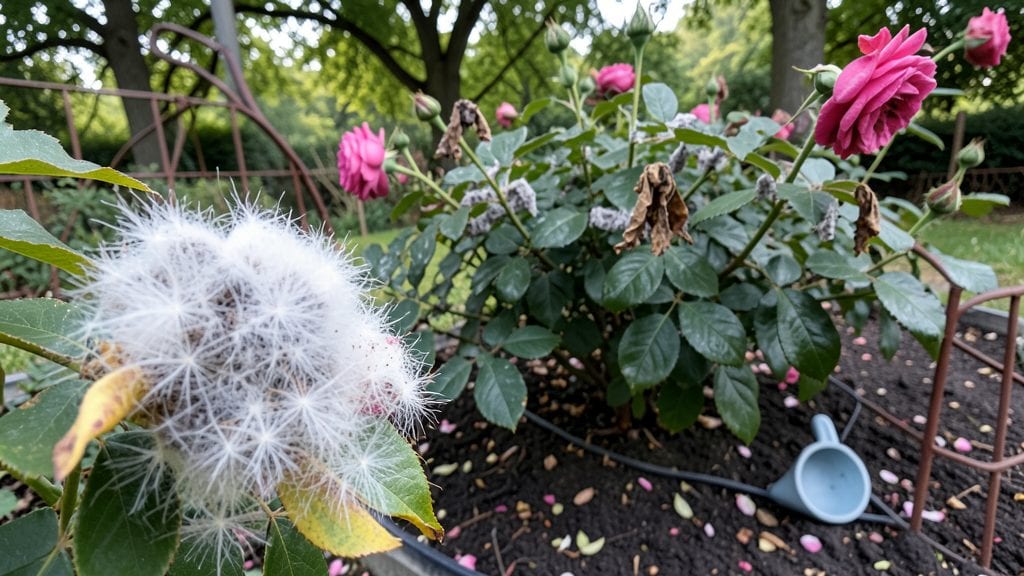
That white garden mold clinging to your hostas or roses isn’t just unsightly—it’s a sign your plants are begging for better airflow and less moisture. 🌱 I've battled this fuzzy invader in my own garden, and I've learned the quick fixes that work without harsh chemicals.
The key difference? This isn't always the dangerous powdery mildew—sometimes it's just harmless mold that disappears with simple adjustments.
Most gardeners assume they need fungicides, but I've found the real culprits are overwatering, crowded plants, and morning dew that lingers too long. A quick inspection tells you what's what: harmless mold lifts off easily, while true mildew leaves a stubborn white residue.
My go-to solutions take less than an hour and require nothing fancier than a spray bottle and some baking soda.
Within 24-48 hours, you'll see the white film vanish as airflow improves and moisture levels balance. The plants stay healthy, the soil stays happy, and you avoid the chemical residue that can harm beneficial insects.
This method works on everything from houseplants to backyard perennials—no matter how bad the infestation looks at first glance.
Here's the game-changer: the same fixes prevent it from coming back. A little pruning, some strategic watering adjustments, and you'll have a garden that stays mold-free without any ongoing maintenance. Let's get your plants breathing easy again.
Root Causes Of Fungal Growth
White garden mold isn’t just an unsightly nuisance—it’s a biological process driven by specific conditions that create the perfect breeding ground for fungi. Understanding why it appears in your garden is the first step to preventing it long-term.
Below, we break down the key factors that turn your soil, mulch, or plant surfaces into a fungal buffet.
Fungi thrive in damp environments, and white mold is no exception. When soil stays soggy for extended periods—whether from overwatering, heavy rainfall, or compacted soil—fungal spores germinate and spread rapidly. Here’s why:
- Oxygen Deprivation: Waterlogged soil cuts off oxygen, creating anaerobic conditions where fungi like Mucor or Rhizopus (common white mold culprits) flourish.
- Spores Awaken: Fungal spores lie dormant in organic matter until moisture triggers their growth. Even "dry" mulch can trap humidity near the soil surface.
- Root Stress: Overly wet conditions weaken plant roots, making them more susceptible to fungal invasion.
Actionable Insight: Test your soil’s drainage by digging a hole, filling it with water, and timing how long it takes to drain. If it’s slower than 4 hours, amend with perlite or sand to improve airflow.
Leaves, grass clippings, and decaying plant matter are nutrient-rich goldmines for fungi. While decomposition is natural, unchecked organic debris creates a cozy microclimate for mold:
- Food Source: Fungi feed on cellulose and lignin in dead plant material, accelerating their growth into visible white fuzz.
- Heat Traps: Thick layers of mulch or debris insulate the soil, raising temperatures and humidity—ideal for fungal metabolism.
- Spores Spread: Disturbing compost piles or leaf litter kicks up spores, which then colonize nearby plants.
Actionable Insight: Rake up fallen leaves and trim back dense mulch layers to 2–3 inches. Aerate compost piles to prevent overheating.
Fungi have a preferred climate range, and white mold peaks when conditions align:
| Factor | Optimal Range for Fungi | Your Garden’s Risk Level |
|---|---|---|
| Temperature | 60–85°F (15–30°C) | ⚠️ Moderate: Spring/fall mornings with dew or shaded areas hit this zone. |
| Humidity | 70%+ relative humidity | ⚠️ High: Greenhouses, containers, or mulched beds without airflow. |
| Dew Duration | Overnight or prolonged | 🔥 Critical: Leaves staying wet for >12 hours = fungal feast. |
Actionable Insight: Water in the early morning so foliage dries by noon. Use shade cloth in hot climates to reduce heat stress on plants (which weakens their defenses).
Healthy plants naturally resist fungal invasion, but stress opens the door for white mold:
- Nutrient Deficiencies: Low nitrogen or phosphorus weakens cell walls, making plants easier targets.
- Physical Damage: Pruning wounds, insect bites, or hail create entry points for spores.
- Disease Pressure: Plants already battling other pathogens (like powdery mildew) are more vulnerable.
Actionable Insight: Boost plant resilience with a balanced fertilizer (10-10-10 NPK) and prune only in dry conditions to minimize wounds. Avoid overhead watering on stressed plants.
Pro Tip: 🔍 Spot the pattern: White mold often appears in the same spots year after year. Note where it crops up (e.g., under hosta leaves, in containers) to address the root cause—like adjusting watering or removing debris.
Quick fixes for fungal foes
White garden mold—whether it’s fuzzy Penicillium, powdery Aspergillus, or stubborn Cladosporium—can feel like an unwelcome houseguest. But don’t grab the harsh chemicals just yet! With the right approach, you can banish it in hours (or days) without harming your plants, soil, or the planet.
Below, we’ve mapped out cause-specific solutions and prevention tips to keep your garden thriving.
If your soil stays soggy for days, mold thrives in the damp, oxygen-poor environment. Here’s how to dry it out fast:
- 🔥 Stop the water flow: Pause irrigation or rainwater collection for 24–48 hours to let excess moisture evaporate.
- 🍳 Improve airflow:
- Space plants wider apart (aim for 6–12 inches between foliage).
- Prune dense branches or vines to allow sunlight and breezes to circulate.
- 👨🍳 Amend the soil:
- Mix in coarse sand or perlite (1 part to 3 parts soil) to break up compacted areas.
- For containers, add orchid bark or gravel to the bottom layer for drainage.
- ⏰ Water smarter:
- Water early in the morning so leaves dry by evening.
- Use a soaker hose or drip irrigation to target roots, not foliage.
💡 Pro tip: If mold keeps returning, test your soil’s moisture retention. A simple squeeze test works: Grab a handful of soil—if it stays clumped, it’s too wet. Adjust your watering schedule accordingly.
Leaves, mulch, and plant waste create the perfect mold buffet. Clean up strategically:
- 🔪 Remove infected material:
- Pick up fallen leaves, spent mulch, or moldy plant debris daily during damp spells.
- For stubborn mold on pots or tools, scrub with a 1:10 vinegar-water solution or hydrogen peroxide (3%).
- 🌡️ Refresh mulch:
- Replace old mulch with dried leaves, straw, or wood chips (avoid thick layers—keep it 2–3 inches deep).
- Bake mulch in the sun for a few days before using to kill spores.
- ✨ Sanitize surfaces:
- Sprinkle food-grade diatomaceous earth (DE) around affected areas (let it sit for 24 hours, then water lightly).
- For hard surfaces (decks, benches), spray with neem oil (2 tbsp per gallon of water) and let dry.
💡 Pro tip: If you compost, turn it weekly and keep it in a shaded but ventilated bin. Moldy compost won’t harm plants, but it can spread spores back to your garden.
Mold loves damp, dark corners. Adjust the environment to make it inhospitable:
- 🌞 Increase sunlight:
- Move potted plants to sunnier spots (6+ hours of light daily).
- Thin out overgrown shrubs or trees to let light reach the ground.
- 🌡️ Reduce humidity:
- Use a dehumidifier in greenhouses or indoor growing areas.
- Place a fan on low speed near affected plants to improve airflow.
- 🎯 Strategic pruning:
- Trim back dense foliage (especially on ferns, hostas, or ivy) to reduce shade.
- Remove low-hanging branches that trap moisture near the soil.
💡 Pro tip: For indoor plants, group them together to raise humidity around them—but avoid letting pots sit in saucers of water. Empty saucers daily!
Once you’ve tackled the mold, take these steps to prevent a comeback:
| Action | How to Do It |
|---|---|
| ✅ Mulch right | Use chop-and-drop mulch (e.g., grass clippings) sparingly—it breaks down fast. For long-term mulch, opt for pine straw or cedar chips (they repel mold naturally). |
| ✅ Rotate crops | Avoid planting the same species in the same spot yearly. Mold spores can linger in soil, so swap veggies or flowers annually. |
| ✅ Boost soil health | Add compost or worm castings to improve soil structure and microbial balance. Healthy soil = fewer mold opportunities. |
| ✅ Clean tools | Wipe pruners, trowels, and shears with rubbing alcohol (70%+) after each use to prevent spore transfer. |
🔥 Bonus: Sprinkle baking soda (1 tbsp per gallon of water) on soil or foliage as a preventative spray every 2 weeks. It raises the pH slightly, making it harder for mold to take hold.
Frequently asked questions
Is white garden mold always harmful to plants?
Not all white mold is dangerous. Harmless types like Penicillium grow on decaying matter but won't damage healthy plants. The key difference? Harmless mold lifts off easily with a finger, while true fungal infections (like powdery mildew) leave a stubborn white residue. If plants look weak or yellowing, it's time to act.
How quickly can I see results after treating white mold?
With proper airflow and moisture control, you’ll often see improvement within 24-48 hours. For stubborn cases, it may take 3-5 days to fully disappear. The fastest results come from combining pruning, better watering habits, and a baking soda spray (1 tbsp per gallon of water).
Can I use vinegar to kill white garden mold?
Yes! A 1:1 vinegar-water solution works well for cleaning tools, pots, and hard surfaces. For plants, dilute it to 1:3 ratio and spray lightly (test on a small area first). Vinegar lowers pH, creating an inhospitable environment for fungi. Reapply every 3-4 days during damp periods.
Will composting help or worsen white mold in my garden?
Composting itself won't spread mold if managed properly. The key is aeration—turn your pile weekly and keep it in a ventilated bin. If your compost is moldy, it means it's too wet. Add dry leaves or straw to balance moisture. Use finished compost (no visible mold) to feed your garden.
What's the best time of day to water plants to prevent mold?
Water early morning (before 9 AM) so foliage dries completely by evening. This prevents prolonged moisture that fuels fungal growth. Avoid evening watering—wet leaves overnight create the perfect mold environment. For container plants, water at the base rather than overhead.