Planting
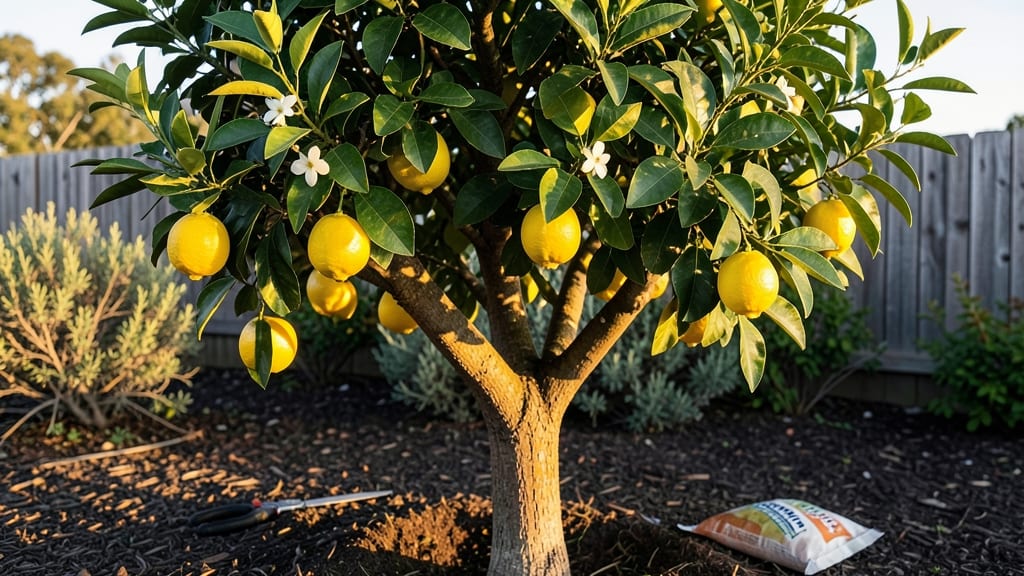
Zone 10 gardening thrives in frost-free climates with hot summers and mild winters, allowing year-round planting of tropical and subtropical crops like citrus, avocados, and palms. Focus on soil moisture retention, shade strategies, and heat-tolerant varieties to maximize yields in this high-sun environment.
This subtropical paradise lets you grow tropical fruits and vegetables without seasonal limits, but the real magic happens when you understand how to work with the climate—not against it. 🌿 The key is leveraging microclimates: coastal areas stay cooler with ocean breezes, while inland spots can get scorching during midday.
I’ve found that even a small elevation change can shift temperature ranges by 5-10°F, which is huge for heat-sensitive plants like basil or lettuce. The goal isn’t just survival—it’s turning your garden into a high-yielding oasis where even delicate greens thrive with the right afternoon shade.
What sets Zone 10 apart is the diversity of crops you can grow year-round, from avocados and mangoes to eggplant and okra. The challenge? Many of these plants need consistent moisture but hate soggy roots.
My trick is using mulch to lock in humidity while keeping the soil loose—think straw or wood chips rather than heavy plastic. And don’t overlook the power of drip irrigation: it delivers water directly to roots without wetting leaves, which cuts down on fungal issues in the steamy afternoons.
💡 In This Article
- Climate Zones and Microclimates in Zone 10
- Best Heat-Resistant Plants for Zone 10 Gardens
Climate zones and microclimates in Zone 10
Zone 10's subtropical climate isn't uniform—it's a patchwork of microclimates where coastal areas experience 5-10°F cooler temperatures thanks to ocean breezes, while inland valleys can hit 110°F+ in summer afternoons.
The Pacific coast, for example, maintains 60-80°F year-round, while inland desert regions like the Coachella Valley see 100°F+ days stretching from May through October.
This variation means your garden's success depends on understanding these regional differences—what thrives in Santa Barbara (cooler, foggy summers) may struggle in Palm Springs (intense dry heat).
The elevation effect is dramatic here: every 1,000 feet gained typically drops temperatures by 3-5°F. That's why mountain foothills (like those in Malibu) can support cooler-climate crops (think artichokes or fava beans) alongside traditional Zone 10 staples.
Urban areas create their own microclimates too—concrete heat islands can make city gardens 5-10°F warmer than rural counterparts, requiring more shade and water for heat-sensitive plants like basil or spinach.
The key is observing your specific conditions for 2-3 weeks to identify hotspots and cooler pockets in your yard.
Humidity plays a critical role too. Coastal Zone 10 areas maintain 60-80% relative humidity, creating ideal conditions for tropicals like banana trees and papayas, while inland regions drop to 20-30%—perfect for drought-tolerant yuca or agave.
This humidity gradient affects irrigation needs dramatically: coastal gardens may need daily watering to prevent leaf scorch, while inland plants thrive with every-other-day watering.
The science here involves transpiration rates: plants in dry heat lose moisture 30% faster than those in humid conditions, meaning your watering schedule must adapt to both temperature AND humidity readings.
Here's what this means for your garden planning: Start by mapping your property's microclimates using simple tools—a maximum-minimum thermometer ($15) and a humidity gauge ($20) will reveal critical patterns. I've found that even a 10-foot elevation change can create a viable zone for cool-season crops in an otherwise tropical landscape.
For example, planting broccoli on a north-facing hillside in Los Angeles can yield edible heads when flatland temps would fry the plants. The secret is working with these natural gradients rather than fighting them.
Don't overlook wind patterns either—they can dramatically alter growing conditions. Coastal areas experience sea breezes that lower daytime highs by 10-15°F while increasing evaporation rates. This is why coastal gardens often need 20-30% more water than inland ones, even with similar temperatures.
Inland valleys, meanwhile, suffer from heat inversion layers that trap warm air near the ground, creating nighttime lows that stay above 75°F—ideal for tropicals but deadly for temperate crops. Understanding these wind-driven temperature shifts lets you position heat-sensitive plants in windward areas where breezes provide natural cooling.
The most successful Zone 10 gardeners I've worked with treat their space like a three-dimensional puzzle, mixing high-elevation cool pockets with lowland heat zones.
For instance, you might grow citrus trees at the base of a slope (where roots access deep moisture) while planting herbs like cilantro on the cooler north-facing hillside where temps stay 10°F lower during peak summer.
This layering approach maximizes diversity while minimizing water use—because you're matching each plant's needs to its perfect microclimate spot. 🌡️
Remember: Zone 10's 15-20°F temperature swings between coastal and inland regions mean you're essentially working with two different climates within the same zone. The plants that thrive in San Diego's marine layer won't survive Riverside's desert heat without adjustments.
That's why local nurseries become your best resource—they'll know which heat-tolerant varieties of familiar crops (like tomatoes or peppers) perform best in your specific microclimate. Start with their recommendations, then experiment with your own microclimate observations.