Planting
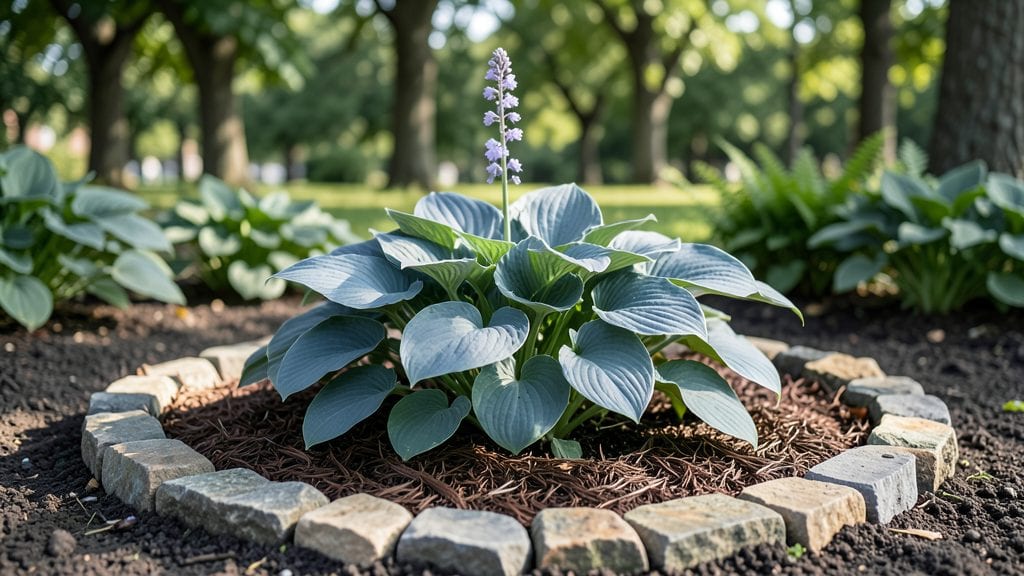
Zone 4 gardening thrives with cold-resistant plants like coneflowers, Russian sage, and hardy perennials, while seasonal planting starts indoors in early spring and transitions outdoors after the last frost—typically mid-May—with fall planting in late summer for winter interest.
In Zone 4's chilly climate, selecting the right plants is everything—think tough perennials like black-eyed Susans and catmint that bounce back after frost. The key here is timing: starting seeds indoors by February gives them a head start, while transplanting outdoors after mid-May avoids late frosts.
I’ve found that mulching in late fall adds an extra layer of protection, especially for tender annuals like marigolds. Container gardening also works well here, letting you move sensitive plants indoors when temperatures drop unexpectedly.
What sets Zone 4 apart is how microclimates—like sunny south-facing slopes or sheltered corners—can create pockets where you might push plants just outside their official hardiness range. For example, daylilies often survive winters better in a south-facing bed than in exposed areas.
Testing soil pH and adding compost before planting boosts resilience too, since cold-stressed plants need all the nutrients they can get. 💫
💡 In This Article
- Understanding Zone 4 Climate and Plant Hardiness
- Seasonal Planting and Care Calendar for Zone 4 Gardens
Understanding Zone 4 climate and plant hardiness
Zone 4's climate—characterized by average annual minimum temperatures between -30°F and -20°F—demands plants with specialized cold tolerance mechanisms.
These include deep root systems that insulate against frost, waxy leaf coatings that prevent ice crystal formation, and biochemical adaptations like antifreeze proteins found in plants like wintergreen or winterberry holly.
The USDA Plant Hardiness Zone Map assigns these ratings based on 30-year averages, but what most gardeners don't realize is that microclimates can shift zones by 1-2 degrees—a south-facing wall might add 5-10°F of warmth compared to an exposed yard.
The science behind cold hardiness involves cellular dehydration tolerance. Plants like Russian sage (hardy to -30°F) survive by producing sugars and proteins that act as natural antifreeze, preventing ice crystals from rupturing cell walls.
In contrast, tender perennials like lavender (hardy to -15°F) require winter mulching or container protection. Soil composition plays a critical role too: sandy soils drain faster and freeze deeper than clay, which retains moisture and insulates roots.
This is why coneflowers thrive in Zone 4—their fibrous roots penetrate deep, avoiding the freeze-thaw cycle near the surface.
Using the Zone Map effectively means looking beyond the zone number. For example, catmint (Zone 4) may survive -25°F but struggles in windy sites where wind chill drops temperatures further.
The map's color-coded zones help visualize risk: plants in Zone 5 (hardy to -20°F) might survive a Zone 4 winter if sheltered, but their growth could be stunted.
I've found that layering plants by height—tall perennials behind short ones—creates windbreaks that protect the garden's core from 20-30 mph winter winds, which can drop perceived temperatures by 10°F.
Seasonal transitions matter just as much as winter survival. Spring planting in Zone 4 hinges on soil temperature: seeds like peas germinate at 40°F, while tomatoes need 60°F+ soil. Fall planting for winter interest (like hellbore) relies on establishing roots before ground freezes—typically by late August.
The key is matching a plant's cold hardiness with your last frost date: in most of Zone 4, that's May 10-20, but coastal areas may be 2 weeks earlier.
Don't overlook the role of snow cover. A 12-inch snow blanket can insulate soil by 20°F, protecting shallow-rooted plants like bleeding heart (Zone 3-8). In open areas, I recommend adding 3-4 inches of straw mulch in late fall to mimic this insulation.
The Zone Map doesn't account for these local factors, which is why gardeners in Zone 4a (colder) often grow the same plants as Zone 4b neighbors by using these microclimate strategies.
For container gardening in Zone 4, material choice matters: clay pots insulate better than plastic but add weight. Moving containers to unheated garages when night temps drop below 25°F can extend the season for tender perennials like rosemary (Zone 7-10).
The Zone Map's limitations become clear here—it doesn't reflect how containers freeze faster than in-ground plantings. 💫
Here's what actually works: pair the Zone Map with your local cooperative extension service's frost data. They'll provide first/last frost dates and growing degree days, which tell you how quickly plants mature.
For example, bush beans need 1,000 growing degree days—in Zone 4, that means planting after June 1 to harvest before frost. This precision turns guesswork into reliable planning.