Planting
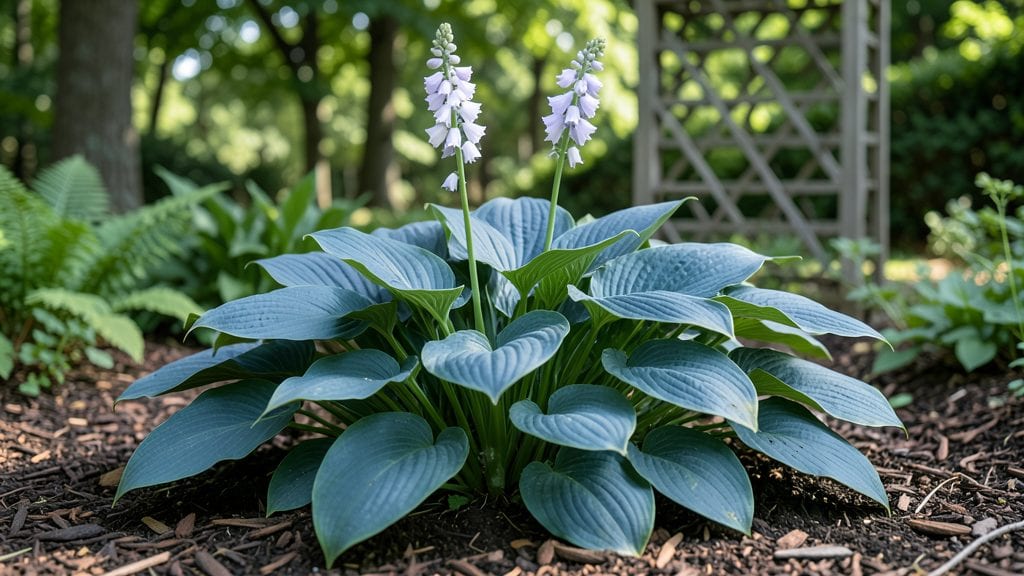
Zone 5 gardening thrives in regions with average winter lows of -15°F to -20°F (-26°C to -29°C), requiring careful plant selection and frost-date timing for successful harvests. Start cool-season crops 4-6 weeks before last frost, while warm-season plants need soil at 60°F+ to germinate. Use row covers, mulch, and cold-hardy varieties to extend growing seasons and protect tender plants from early freezes.
Zone 5 gardening means working with nature's rhythm—where timing is everything. Cool-season crops like spinach and peas love the crisp air, while warm-season favorites like tomatoes need to wait until the soil warms up.
I've found that microclimates (like sunny south-facing slopes) can push your growing season by 2-3 weeks, giving you that extra time for second plantings. 🌱 The key is balancing hardy perennials with strategic annuals to keep your garden productive year-round.
What sets Zone 5 apart is the ability to grow fruit trees like apples and cherries that simply wouldn't survive warmer climates. The cold winters actually help break dormancy cycles, resulting in sweeter fruit.
For beginners, I recommend starting with kale and hydrangeas—they're forgiving, beautiful, and thrive in these conditions.
💡 In This Article
- Understanding Zone 5 Frost Dates and Plant Hardiness
- Best Cold-Hardy Plants for Zone 5 Gardens
Understanding Zone 5 frost dates and plant hardiness
Calculating frost dates in Zone 5 starts with the USDA Plant Hardiness Zone Map, which divides regions based on average annual minimum temperatures. For Zone 5, this means your garden endures winters where temperatures can plunge to -15°F to -20°F (-26°C to -29°C).
The last spring frost typically occurs between April 15 and May 15, while the first fall frost arrives around September 15 to October 15—but these dates shift based on elevation and local topography.
Here's what's actually happening: Cold air sinks into valleys, creating microclimates where frost forms later on slopes or earlier in low-lying areas. 🌡️
Plant hardiness varies dramatically between perennials and annuals. Perennials like peony bushes and apple trees have evolved to survive Zone 5 winters through specialized cells that produce antifreeze proteins, similar to how some fish survive icy waters. These proteins prevent ice crystals from forming in their tissues.
Annuals, however, lack this built-in protection, which is why they need strategic planting windows. For example, kale can tolerate light frosts (28°F/-2°C) and even tastes sweeter after a frost, while tomatoes will bolt if exposed to temperatures below 50°F (10°C) for more than a few hours.
Microclimates play a huge role in extending your growing season. A south-facing wall can create a 5-10°F warmer microclimate than open fields, allowing you to plant heat-loving crops like peppers a week earlier.
Wind exposure also matters: Open areas experience faster temperature drops at night, while sheltered spots near buildings or fences maintain warmth.
This is why gardeners in Zone 5 often use row covers or cold frames—they create localized warm pockets that can push frost dates back by 2-4 weeks in spring and extend fall harvests by the same margin. 🌿
Understanding these patterns helps explain why certain plants thrive here. Apples, for instance, need 200-1,000 chill hours (temperatures between 32°F and 45°F) to break dormancy—something Zone 5 winters deliver perfectly. Similarly, hydrangeas and tulips rely on cold stratification (a period of cold exposure) to trigger blooming.
The science is clear: These plants have evolved to synchronize their life cycles with Zone 5's seasonal temperature swings, making them ideal candidates for your garden.
For annuals, the key is matching planting times to soil temperatures. Warm-season crops like beans and corn won't germinate until soil reaches 60°F (15°C), while cool-season crops such as spinach and carrots can handle soil temps as low as 40°F (4°C).
This is why I always check soil temperature with a probe—it's more reliable than air temperature for predicting germination success. 🌱
Here's what most gardeners don't realize: Frost dates aren't just about the calendar—they're about heat accumulation too. The growing degree days (GDD) system tracks how much heat your plants receive over time.
Zone 5 typically accumulates 2,500-3,500 GDDs annually, which is perfect for crops like potatoes (which need 1,000-1,500 GDDs) but limits the success of tropical plants like bananas (which require 3,500+ GDDs). This explains why Zone 5 gardens excel with cold-hardy varieties while struggling with heat-loving tropicals.
To put it simply: Zone 5 gardening is all about working with these natural rhythms. By understanding your local frost dates, microclimates, and plant hardiness zones, you can create a garden that thrives despite the cold.
Start with a frost-free date calculator (many are available online), observe your garden's microclimates, and choose plants that match your zone's unique conditions. That's how you turn challenges into opportunities! ✨