Fertilization
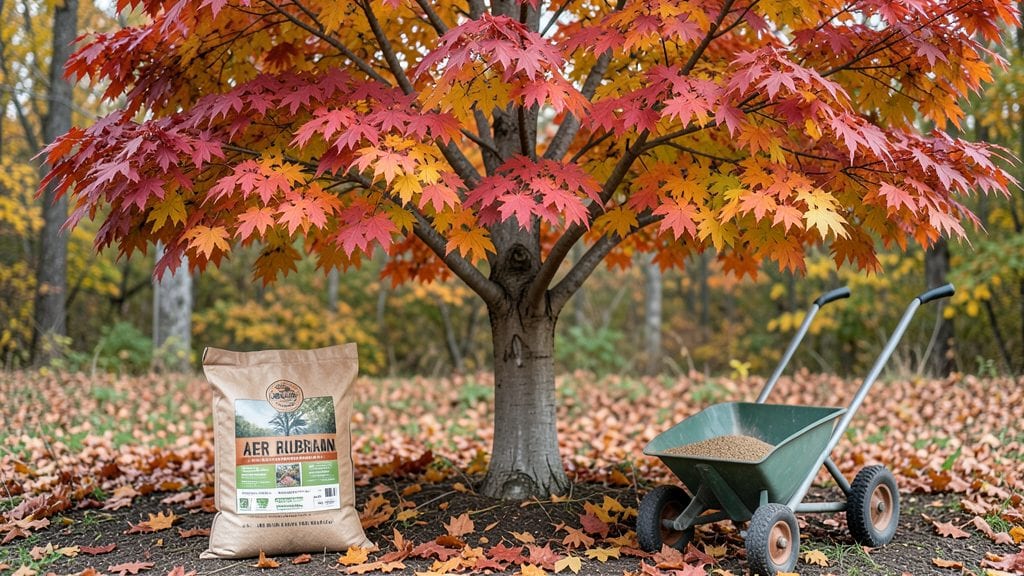
Autumn fertilizer for gardens strengthens root growth, boosts winter hardiness, and replenishes soil nutrients before dormancy. Use slow-release organic options like compost, bone meal, or balanced NPK blends 6-8 weeks before frost. Avoid high-nitrogen fertilizers to prevent tender new growth.
Fall fertilization works because plants need nutrients to prepare for winter, even when they're not actively growing above ground. 🌱 Organic fertilizers like compost or bone meal break down slowly, feeding roots steadily through the cold months.
This builds resilience against frost and drought while improving soil structure for next spring's growth. Timing matters—applying too early can encourage late-season growth that won't survive winter, while waiting too long leaves plants nutrient-deprived.
For best results, I recommend testing your soil first to identify deficiencies. 💛 Most gardeners benefit from a balanced approach, combining organic matter with targeted nutrients like phosphorus for root development or potassium for cold resistance.
Perennials and bulbs respond particularly well to autumn feeding, as they'll use those nutrients to establish strong root systems before going dormant.
💡 In This Article
- How Autumn Fertilizers Improve Soil and Plant Resilience
- Best Autumn Fertilizer Types and Application Timing
How autumn fertilizers improve soil and plant resilience
Autumn fertilization works its magic primarily through the soil's microbial ecosystem. When you apply slow-release organic fertilizers like compost or bone meal, they stimulate beneficial bacteria and fungi in the soil. These microorganisms break down organic matter into nutrients plants can absorb, even during dormancy.
The process creates a nutrient reservoir in the soil that roots can tap into as temperatures drop, supporting root growth and storage of carbohydrates for next spring's growth. 🌱
Here's what's actually happening at a cellular level: Plants continue to grow roots well into fall, even if above-ground growth slows. Phosphorus-rich fertilizers like bone meal (typically containing 3-4% phosphorus) encourage root development by helping plants create ATP, their energy currency.
Meanwhile, potassium from fertilizers like greensand (0.5-1% potassium) strengthens cell walls, improving cold resistance. The key factor is timing—applying these nutrients 6-8 weeks before frost gives plants enough time to absorb them before ground freezes.
Organic options like compost or fish emulsion have another advantage: they improve soil structure. The humus in compost binds soil particles together, creating better water retention and aeration. This is crucial because cold weather can compact soil, reducing oxygen availability to roots.
Synthetic fertilizers provide immediate nutrients but don't enhance soil structure—they're more like a quick energy boost without the long-term benefits. For example, a 10-10-10 NPK synthetic fertilizer will feed plants quickly but may leach out of the soil before roots can use it all.
What most people don't realize is how autumn feeding affects microbial diversity. Healthy soil contains thousands of microbial species that compete for nutrients. When you add organic matter, you're essentially feeding this entire ecosystem, which in turn makes nutrients more available to plants.
Studies show that gardens with active microbial communities recover faster from drought and disease. The microbial activity continues even under snow cover, breaking down organic matter into plant-available forms like nitrate and ammonium ions.
Consider these nutrient dynamics: Nitrogen (N) promotes leafy growth, which is why high-nitrogen fertilizers are avoided in autumn—they encourage tender new growth that won't survive winter. Instead, focus on phosphorus (P) for root development and potassium (K) for cold resistance.
A balanced 5-10-10 fertilizer provides these without overemphasizing nitrogen. For perennials, I've seen dramatic improvements in survival rates when using a phosphorus-heavy fertilizer like rock phosphate (0-3-0) in early fall.
The long-term benefits become apparent in spring when plants emerge stronger and more vigorous. The nutrient reserve built during autumn supports early growth before plants can photosynthesize enough to sustain themselves. This head start can mean the difference between a thriving garden and one that struggles to catch up.
The soil's improved structure also means better water infiltration, reducing runoff and erosion during spring rains. 💫