Fertilization
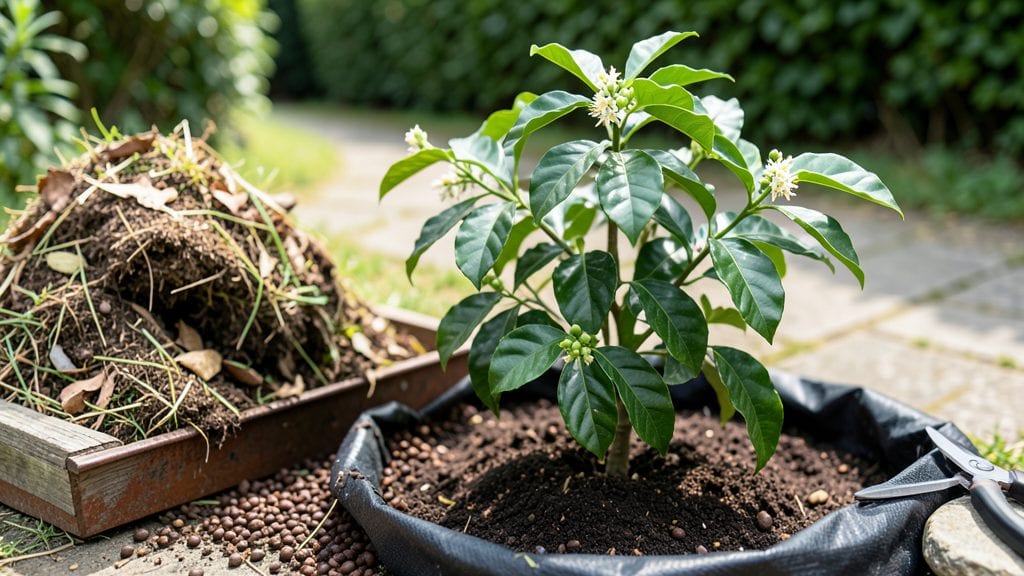
Using coffee grinds in the garden boosts soil health by adding nitrogen, stimulating beneficial microbes, and naturally deterring pests like slugs and snails—all while slowly enriching compost or mulch over time.
Coffee grinds are a powerhouse for gardeners because they're packed with nutrients your plants crave. 🌱 The nitrogen content (about 1.4–2.5%) feeds soil microbes, which in turn break down organic matter faster, creating a nutrient-rich environment.
Plus, the slightly acidic nature makes them perfect for acid-loving plants like blueberries or hydrangeas. Unlike synthetic fertilizers, coffee grinds release nutrients gradually, so you won’t overfeed your soil—just mix them into compost or sprinkle them lightly around plants.
What’s even better? They repel pests naturally. The caffeine in coffee grounds acts as a mild deterrent for slugs and snails, reducing the need for harsh chemicals. For best results, use them fresh (not dried) and work them into the top inch of soil or compost.
Just avoid overdoing it—too much can compact soil or create a sour smell.
💡 In This Article
- How Coffee Grinds Enhance Soil Chemistry
- 5 Practical Ways to Use Coffee Grounds in Gardening
How coffee grinds enhance soil chemistry
Here's what's actually happening when you work coffee grinds into your soil: they act like a slow-release nitrogen fertilizer, with fresh grinds containing roughly 1.4–2.5% nitrogen by weight.
This is comparable to a light dose of synthetic urea fertilizer (which contains about 46% nitrogen), but in a far more natural form.
The nitrogen comes primarily from proteins and caffeine compounds in the coffee beans, which break down through microbial action into forms plants can absorb, like ammonium and nitrate.
The slightly acidic nature of coffee grinds (pH around 6.2–6.8 when fresh) makes them particularly beneficial for acid-loving plants like blueberries, azaleas, and rhododendrons. 🌿 In sandy soils, where nutrients drain quickly, the grinds help retain moisture and nutrients longer by improving soil structure and encouraging microbial colonization.
Conversely, in clay-heavy soils, they prevent compaction by creating air pockets as they decompose, which improves root penetration and water infiltration.
What most people don't realize is how coffee grinds stimulate microbial activity. The complex organic compounds in grinds feed beneficial fungi and bacteria, which then break down the grinds further while producing enzymes that release additional nutrients.
This microbial boost can accelerate composting by up to 30% when mixed with other organic matter. The breakdown process typically takes 3–6 months, depending on soil temperature and moisture levels.
There's also a chemical synergy at play: the caffeine in coffee grounds acts as a natural fungicide against harmful pathogens while encouraging beneficial mycorrhizal fungi that help plants absorb nutrients more efficiently. This dual action creates a healthier soil ecosystem that supports plant growth without the need for chemical interventions.
The nutrient release timeline varies by soil type: in sandy soils where microbes thrive, you'll see faster breakdown and nutrient availability, while clay soils may take longer due to slower microbial activity.
For optimal results, mix 1 part coffee grinds to 2 parts compost—this ratio prevents nitrogen burn while maximizing microbial stimulation.
One advanced technique is to use "coffee compost tea" by steeping grinds in water for 24–48 hours, then straining and applying to soil. This liquid fertilizer delivers a quick nitrogen boost while maintaining the microbial benefits.
The tea's slightly acidic nature also helps lower soil pH gradually, making it ideal for plants that prefer acidic conditions.