Landscaping
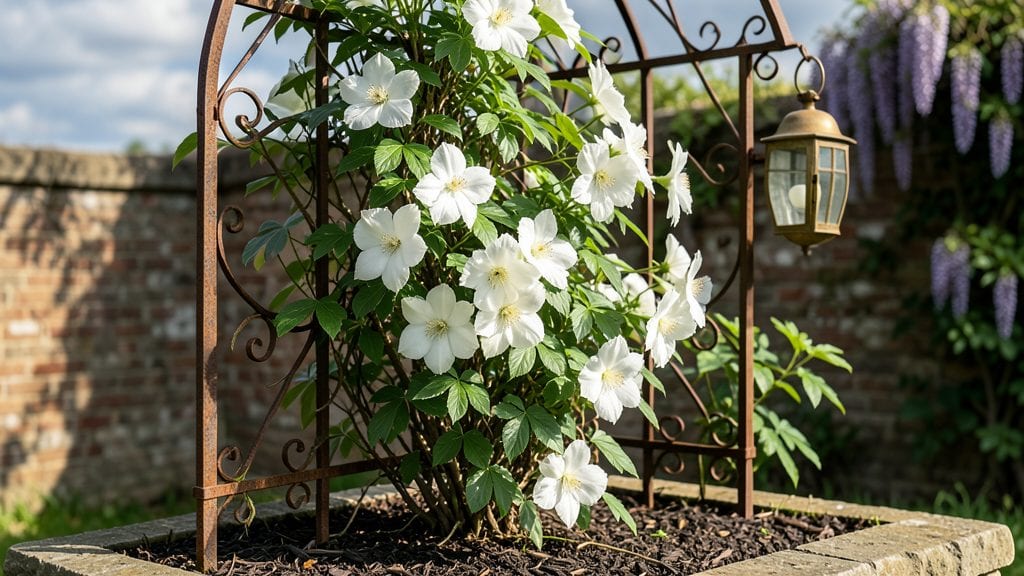
Decorating a garden wall with the right plants and materials can turn your plain concrete into a vibrant, living tapestry—here’s how I did it. 🌿 The key is balancing what thrives in your climate. with what fits your style, whether that’s bold climbers or delicate trailing flowers.
I’ll show you how to pick plants that give you color, texture, and seasonal interest without turning into a maintenance nightmare.
You don’t need fancy materials to make it happen—just a few basics like trellises, hooks, or even pre-drilled brackets for heavier plants. My setup uses a mix of wooden lattice panels for structure and metal wall brackets for hanging pots, keeping everything secure while looking intentional.
The best part? You can start small—even a single climbing rose or two ivy plants will make a dramatic difference in just a few months.
Imagine waking up to morning light filtering through velvety clematis blooms or running your fingers along the silky leaves of a passionflower vine—that’s the kind of living wall you’ll create.
The right plants will also give you shade in summer and privacy when they fill out, while adding value to your outdoor space. We’ll cover how to arrange everything so it grows together beautifully, not like a chaotic jungle.
This works for any wall—brick, wood, or even chain-link—so you can adapt the ideas to your yard. Whether you’re going for a wild, romantic look or a clean, modern vibe, the principles stay the same.
Let’s get your wall looking like a designer did it, not just a DIY weekend project.
📚 In This Guide
- What you need
- Instructions
- Tips and common mistakes
- Wrapping up and next steps
What you need
- ● Wall anchors or brackets: Heavy-duty (10–20 lbs capacity), stainless steel or galvanized, ~4–6 per plant (depending on size).
- ● Plants: Climbing vines: Ivy, jasmine, or clematis (4–6 plants, spaced 12–18" apart).
- ● Succulents/sedums: 10–15 plants (varies by wall size).
- ● Herbs: Rosemary or thyme (3–5 plants, 6–12" apart).
- ● Growing medium: Lightweight potting mix (1–2 bags, 1–2 cubic feet per plant).
- ● Planters or pockets: Fabric grow bags (6" deep) or modular pockets (adjustable for spacing).
- ● Tools: Drill, masonry bits, level, measuring tape, scissors, and gloves.
- ● Decorative trellis or lattice (for structured vines, 2–4 panels).
- ● Solar-powered wall lights (2–4, for evening ambiance).
- ● Weather-resistant paint or stain (for wood/vinyl accents).
- ● Drip irrigation kit (to automate watering).
Step-by-Step guide to decorating your garden wall
Transform an empty wall into a lush vertical garden with these simple, effective techniques.
🪴 Step 1: Assess Your Wall and Choose a Design
Start by examining your wall's surface and sunlight exposure. Smooth concrete or brick walls work best for climbing plants, while textured stone may need a wire mesh backing for support. Measure the height and width to plan your layout—most vertical gardens thrive in 6-10 foot sections with 12-18 inches between plants for airflow.
Decide on a focal point: a single bold climber like clematis or wisteria, or a layered mix of ivy, jasmine, and climbing roses. Sketch a rough design on paper first. I like to place taller plants at the back and trailing varieties along the edges for a natural, cascading effect.
🌱 Step 2: Install Support Structures
For most climbing plants, you'll need trellises, wire mesh, or sturdy wooden frames attached to the wall. Use galvanized screws or L-brackets (if your wall allows) to secure a 1-inch diameter PVC pipe trellis horizontally every 2 feet. This creates a grid for vines to climb.
If your wall is smooth, attach landscape fabric or chicken wire first as a base layer. For heavier climbers like hops or grapes, use metal lattice panels bolted directly into the wall. Always check for electrical lines or plumbing before drilling—safety first!
☀️ Step 3: Plant and Train Your Climbers
Dig holes twice as wide as the root ball but only as deep as the container the plant came in. Space them according to your design, usually 3-5 feet apart for large climbers. Water each plant deeply before installing the support structure.
Gently weave the main stems through the trellis or tie them to the wire with soft plant ties (never wire or twine—it cuts into stems). For fast-growing vines like morning glories, I like to use spiral trellises that guide them upward naturally. Prune any side shoots that aren’t climbing toward the support to encourage upward growth.
💧 Step 4: Maintain for Year-Round Beauty
Water new plants deeply every 2-3 days until established, then 2-3 times per week during dry spells. Climbing plants need consistent moisture—let the top 2 inches of soil dry out between waterings. Mulch at the base with 2-3 inches of shredded bark to retain moisture and suppress weeds.
Fertilize in early spring with a balanced 10-10-10 formula and again in midsummer. Prune dead or overgrown branches in late winter to shape the plant and encourage new growth. For flowering climbers, trim back one-third of the oldest stems annually to keep blooms abundant.
✂️ Step 5: Seasonal Care for Long-Term Success
In fall, reduce watering as temperatures drop and remove any dead or diseased foliage. For tender climbers like jasmine or bougainvillea, wrap the base in burlap if frost is expected. Evergreens like ivy or star jasmine need no winter protection beyond regular care.
Spring is the best time to divide overgrown plants or add new varieties. I like to rotate plants every 3-5 years to refresh the look and prevent soil depletion. Always wear gloves when handling thorny climbers like roses or blackberries—trust me, the prickers don’t forgive!
Tips & tricks for perfect vertical garden walls
Creating a stunning vertical garden takes planning, but these practical tips will help you avoid common pitfalls and create a thriving green wall that lasts for years.
Design First, Plant Later: Before you buy a single plant, sketch your design on paper using the 6-10 foot section guideline from Step 1. I always draw my wall to scale and place taller plants like clematis at the back while trailing varieties like jasmine go along the edges. This prevents overcrowding and ensures every plant gets proper airflow—critical for preventing fungal issues.
Support Structure Secrets: When installing the 1-inch diameter PVC pipe trellis every 2 feet (Step 2), use a level to keep them perfectly horizontal. For walls over 8 feet tall, consider adding diagonal supports for extra stability, especially with heavy climbers like wisteria. I've seen too many trellises sag under the weight of vigorous vines!
Planting Precision: In Step 3, when digging holes twice as wide as the root ball, loosen the sides of the hole with your hands or a trowel—this encourages roots to spread outward rather than staying in a tight ball. For containers, gently squeeze the sides to encourage root growth before planting. Watering deeply before attaching to supports gives plants an immediate boost.
Watering Wisdom: The 2-3 inches of soil dry out guideline in Step 4 is your best friend. I test moisture by sticking my finger about 2 inches into the soil—if it feels dry, it's time to water. For new plants, consider installing a drip irrigation system along the base of your wall. It's worth the investment to ensure consistent moisture without overwatering.
Pro Tips for Decorating Garden Wall
- Creating a stunning vertical garden takes planning, but these practical tips will help you avoid common pitfalls and create a thriving green wall that lasts for years.
- Design First, Plant Later: Before you buy a single plant, sketch your design on paper using the 6-10 foot section guideline from Step 1.
- Support Structure Secrets: When installing the 1-inch diameter PVC pipe trellis every 2 feet (Step 2), use a level to keep them perfectly horizontal.
Frequently asked questions
Got questions about transforming your garden wall into a stunning vertical canvas?
Here are answers to the most common queries to help you plan like a pro!
What’s the best time of year to decorate a garden wall?
The ideal time depends on your climate and plants! For hardy perennials and shrubs, late winter or early spring (before budding) is perfect. If using annuals or delicate climbers, wait until after the last frost. For artificial or modular panels, any time works—just ensure stable weather for installation.
How much does decorating a garden wall cost?
Costs vary widely! DIY climbing plants (like ivy or clematis) cost $10–$50 per plant. Pre-made trellises or wooden panels range from $50–$300, while custom metal or stone features can hit $500+. Factor in soil, tools, and maintenance (e.g., pruning or painting). Pro tip: Start small—test a section before committing!
Can I decorate a garden wall without plants?
Try these plant-free alternatives:
- Modular panels: Wood, metal, or resin tiles with textures or patterns.
- Wall art: Mosaics, stained glass, or framed botanical prints.
- Lighting: Solar-powered LED strips or spotlights for a magical glow.
- Vertical gardens in containers: Hang pots with succulents or herbs.
Mix and match for a low-maintenance look!
How do I prevent damage to my wall while decorating?
Start by assessing your wall’s material—brick, wood, or stucco each needs different care. For plants:
- Use soft ties (jute or plastic) to avoid scratches.
- Avoid heavy pots that strain anchors.
What’s the easiest way to maintain a decorated garden wall?
Regular upkeep keeps your wall thriving! For plants:
- Prune 2–3 times a year to control growth.
- Check for pests (like aphids) and treat early.
Wrapping up and next steps
Transforming your garden wall into a stunning vertical space isn’t just about aesthetics—it’s a creative way to maximize beauty in small areas! Whether you’re planting lush vines, hanging whimsical decor, or embedding rustic stones, the key is to start small, plan thoughtfully, and let your personality shine. 🌿✨
Now that you’re inspired, grab your tools and get planting! Begin with one section—maybe a trellis for climbing roses or a cozy corner with fairy lights—and watch your garden wall become the envy of the neighborhood. Happy decorating!