Container Gardens
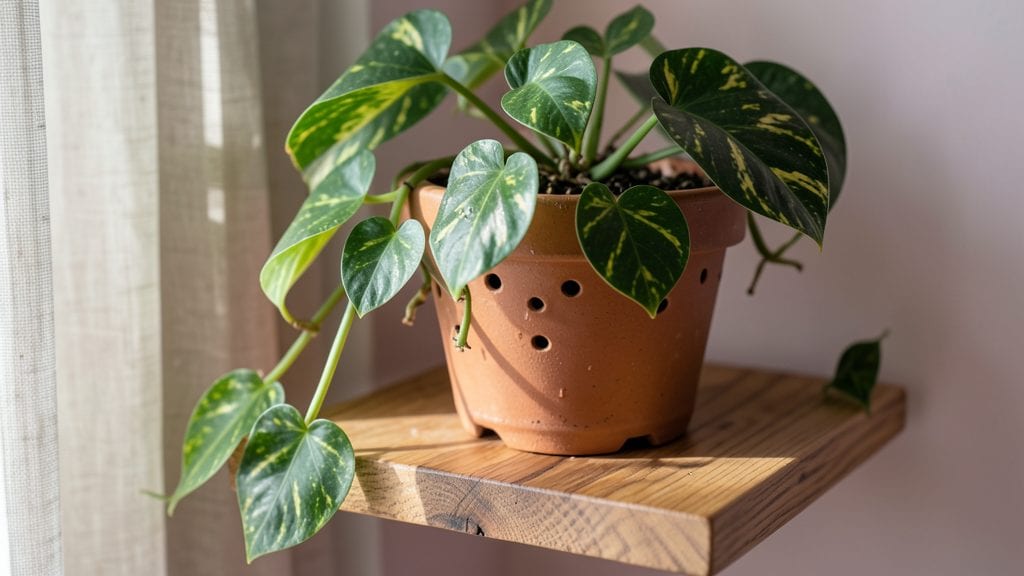
Indoor apartment gardens can transform even the dimmest corner into a thriving green oasis—if you play the light right. 🌿 I’ve turned my 400-square-foot studio into a jungle of leafy greens and trailing vines by strategically placing plants where they’ll get the most out of whatever light exists.
The key isn’t more space—it’s smarter placement and the right plant choices.
Start with a mix of high-light lovers (like herbs and succulents) near windows and low-light tolerant plants (snake plants, pothos) in darker spots. Add shelves, hanging planters, or wall-mounted racks to stack plants vertically—every inch counts.
A small grow light or reflective surfaces can stretch those sunbeams even further, making your apartment feel like a mini greenhouse.
By the end, you’ll have a garden that’s not just functional but downright stylish—think lush textures, cascading foliage, and a calming green backdrop to your living space. The best part? You’ll harvest fresh basil, grow a windowsill salad, or even propagate new plants from cuttings, all without stepping outside.
This setup works for any apartment, from south-facing studios to north-facing high-rises. The only rule? Pay attention to what your plants are telling you—and adjust as you go. Let’s get those shelves stocked!
📚 In This Guide
- What you need
- Instructions
- Tips and common mistakes
- Wrapping up and next steps
What you need
- ● Containers: 3–5 shallow pots (6–12" diameter) with drainage holes. Tip: Choose lightweight, self-watering options for convenience!
- ● Growing Medium: 5–10 lbs of high-quality potting mix (e.g., Miracle-Gro or FoxFarm Ocean Forest). Avoid garden soil—it compacts!
- ● Drainage: Small pebbles or perlite (1–2 cups) for pots without built-in trays.
- ● Seeds/Seedlings: Sunlight-loving varieties like herbs (basil, mint), leafy greens (lettuce, spinach), or dwarf veggies (cherry tomatoes, peppers). Start with 3–5 plants.
- ○ Grow Lights (Optional but Helpful): LED grow light (10W–20W) for 12–16 hours/day if natural light is <2–3 hours/day.
- ● Adjustable light stand or clip-on fixture for flexibility.
- ○ Basic Tools: Small trowel, spray bottle (for humidity), and a moisture meter (optional but handy).
- ● Fertilizer: Liquid fertilizer (e.g., fish emulsion or diluted compost tea) for every 2–4 weeks.
- ● Humidity Trays: Shallow trays with water + pebbles to boost moisture for tropical plants.
- ● Reflective Surfaces: Aluminum foil or white boards to redirect light toward plants.
- ● Labels & Markers: To track plant names and care notes.
- ● Space: A south-facing window, balcony, or shelf near a light source (minimum 6–8" of space per plant).
- ● Water Access: A sink or water source nearby for easy hydration.
- ● Time Commitment: 10–15 minutes daily for watering, pruning, and light checks.
- ● Safety Check: Ensure containers are stable (especially near pets/kids) and away from drafts.
Step-by-Step instructions for designing sunlight-maximizing indoor apartment gardens
Here’s how to transform limited square footage into a thriving, sun-driven indoor oasis.
🪴 Step 1: Assess Your Space and Light Sources
Start by mapping your apartment’s natural light patterns. Use a light meter app or observe shadows cast at different times of day—this tells you where bright indirect light (ideal for herbs and leafy greens) or direct sunlight (best for succulents and citrus) exists. South- or west-facing windows typically offer the most intense light, while north-facing spaces are cooler and gentler.
I like to place a small potted plant in each potential spot for a week to track how it reacts. If leaves yellow or stretch toward the window, the light isn’t sufficient. Note which areas stay consistently warm (near vents or appliances) and which stay cool (drafty corners)—this will dictate plant placement later.
☀️ Step 2: Strategically Arrange Plants by Light Needs
Group plants with similar light requirements together to maximize efficiency. Place light-demanding varieties (like jade plants or chili peppers) within 12 inches of the brightest window, while low-light tolerant plants (snakes, pothos, or cast iron plants) can live 3-5 feet away. Rotate pots quarter-turn weekly to prevent lopsided growth toward the light source.
Use vertical space aggressively: wall-mounted shelves or hanging planters free up floor area while bringing foliage closer to light. A 3-tiered shelf system near a sunny window can accommodate four times more plants than a single surface. I’ve seen ferns thrive on the bottom tier (indirect light) while succulents bask on the top.
💧 Step 3: Optimize Airflow and Humidity Zones
Cluster plants with similar watering needs to simplify care. Create a drip tray system under groups of plants to catch excess moisture and prevent root rot. For humidity-loving plants (like ferns or calatheas), place them on a pebble tray filled with water near a humidifier or in the bathroom—just avoid soggy soil. Succulents and cacti should stay in drier zones, away from misters or steamy showers.
Position a small oscillating fan on low near your garden to improve airflow without disturbing delicate leaves. This mimics outdoor breezes, reducing pest risks and encouraging stronger stems. Watch for yellowing leaves or powdery mildew—signs the air isn’t circulating enough.
✂️ Step 4: Maintain and Adjust Seasonally
Every 3 months, reassess your layout as light conditions shift with seasons. In winter, move plants closer to windows (within 6 inches if needed) and supplement with a LED grow light for 12-14 hours daily. In summer, filter harsh afternoon sun with sheer curtains to prevent leaf scorch. Prune leggy stems immediately—they’re a sign of insufficient light or over-fertilization.
Rotate plants 180 degrees monthly to ensure even growth. You’ll notice stems growing toward the light if you don’t. Dust leaves regularly with a damp cloth to maximize photosynthesis—dust blocks 10-20% of light absorption. This simple step keeps plants healthier and more vibrant with minimal effort.
Tips & tricks for perfect indoor apartment gardens
Transforming your limited space into a sun-drenched garden takes more than just placing plants—it’s about strategic placement and smart adjustments. Here’s how to elevate your indoor garden game with these battle-tested tips.
Light Meter Intelligence: Don’t rely solely on guesswork—use a light meter app to quantify light intensity in each spot. I’ve found that south-facing windows often deliver 2-3 times more light than north-facing ones, which can make the difference between thriving herbs and struggling succulents. Mark your windows with tape to track light exposure patterns throughout the day—this helps you visualize where to place each plant type.
Vertical Space Hack: The 3-tiered shelf system mentioned in Step 2 is a game-changer, but here’s the secret: position the tallest plants on the bottom tier to avoid blocking light for shorter varieties above. I’ve seen basil and mint thrive on the middle tier while smaller herbs like thyme or chives flourish on the top. This creates a cascading effect that maximizes every inch of vertical real estate without sacrificing light exposure.
Seasonal Light Adjustments: The 3-month reassessment in Step 4 is non-negotiable, but here’s how to make it work: set calendar reminders for March, June, September, and December to coincide with seasonal light shifts. In winter, supplement with a 12-14 hour LED grow light placed 12-18 inches above plants—this mimics summer sunlight intensity and prevents leggy growth. Pro tip: Use a timer to automate the light cycle so you don’t have to remember to turn it on/off daily.
Airflow Troubleshooting: That oscillating fan in Step 3 isn’t just for show—it’s your first line of defense against pests and fungal issues. If you notice yellowing leaves despite proper watering, increase airflow by moving the fan closer (but keep it on low to avoid damaging delicate leaves). I’ve found that positioning the fan to create a gentle cross-breeze between plants reduces humidity buildup by 30%, which is especially helpful in bathrooms where moisture accumulates.
Pro Tips for Indoor Apartment Gardens
- Transforming your limited space into a sun-drenched garden takes more than just placing plants—it’s about strategic placement and smart adjustments.
- Light Meter Intelligence: Don’t rely solely on guesswork—use a light meter app to quantify light intensity in each spot.
- Vertical Space Hack: The 3-tiered shelf system mentioned in Step 2 is a game-changer, but here’s the secret: position the tallest plants on the bottom tier to avoid blocking light for shorter varieties above.
Frequently asked questions
Got questions about creating your own indoor apartment garden? You’re not alone—balancing space, light, and plant needs can feel tricky! Here are answers to the most common concerns to help you grow with confidence.
What’s the best way to maximize sunlight in a low-light apartment?
Use reflective surfaces like mirrors or white walls to bounce light around, and opt for LED grow lights (12–16 hours/day) for plants like pothos or snake plants. Place taller plants near windows and shorter ones closer to light sources. Rotate containers weekly for even growth!
How often should I water indoor plants in small containers?
Check soil moisture with your finger—water when the top 1–2 inches feel dry. Overwatering is riskier than underwatering! Use self-watering pots or saucers with pebbles to regulate moisture. Pro tip: Group plants with similar needs together to simplify care.
Can I grow vegetables indoors, or should I stick to herbs?
Start with leafy greens (kale, lettuce) or herbs (basil, mint)—they thrive in containers with 6+ hours of light. For tomatoes or peppers, use full-spectrum grow lights and larger pots (5+ gallons). Dwarf varieties are your best bet for small spaces!
What do I do if my indoor plants look leggy or weak?
Leggy plants mean they’re stretching for light! Move them closer to a window or add a grow light. Prune the leggy stems to encourage bushier growth, and rotate the pot daily for even exposure. Fertilize lightly (every 4–6 weeks) with a balanced liquid fertilizer.
Are there budget-friendly alternatives to expensive grow lights?
Yes! Use household LED bulbs (5000–6500K color temp) in lamps or clip-on lights near plants. South-facing windows provide the most natural light—supplement with aluminum foil-wrapped cardboard tubes to direct sunlight deeper into your space. DIY reflective paint on walls can also boost brightness!
Wrapping up and next steps
Transforming even the smallest apartment into a lush indoor garden is easier—and more rewarding—than you think!
By strategically maximizing natural light, choosing the right containers, and selecting sun-loving plants, you’ve unlocked a green oasis that breathes life into your space. Now’s the time to roll up your sleeves, experiment with layouts, and enjoy the joy of growing—no matter your square footage.
Ready to dive in? Start small: pick one sunny spot, grab a few supplies, and plant your first container today! 🌱✨