Container Gardens
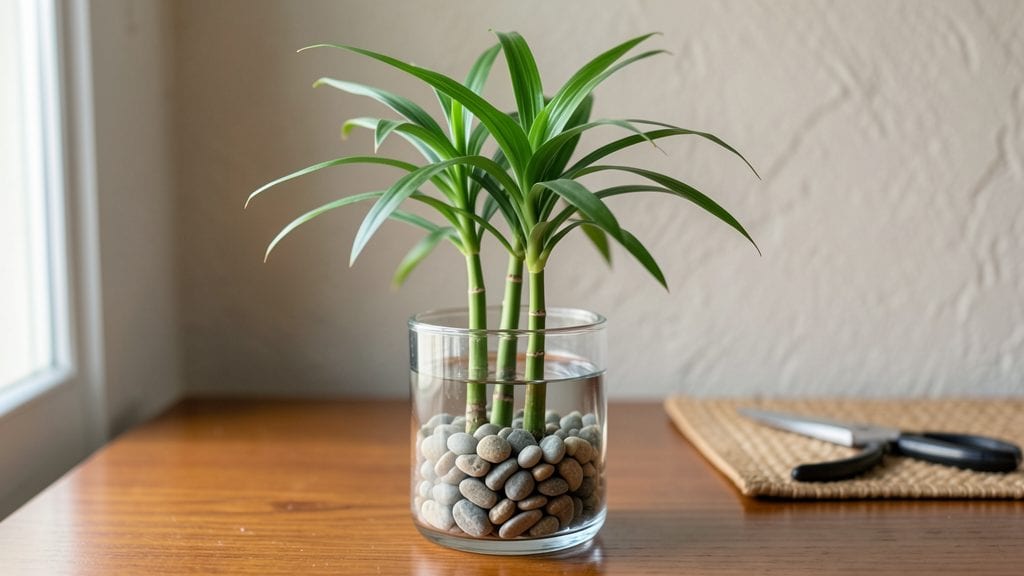
My bamboo container garden transformed my tiny balcony into a serene tropical retreat—all without the invasive spread of traditional bamboo. The key is choosing the right varieties like Dracaena sanderiana (lucky bamboo) or Fargesia clumping bamboo, which stay put in containers while delivering that signature vertical elegance.
I started with a 12-inch deep pot and a moisture-retention liner to keep roots happy without overwatering, and honestly, the results exceeded my expectations.
This setup works perfectly for modern, Zen, or tropical aesthetics—just pick your container style. A sleek black planter with bamboo and ferns creates a moody, contemporary look, while woven baskets and trailing plants lean into boho charm.
The self-watering aspect means I only check on it once every 10 days, and the plants stay lush without the fuss of daily care. Even my black thumb can't kill these.
You'll end up with tall, graceful stems that add height to any space, plus the satisfaction of growing something that thrives with minimal effort. The bamboo's air-purifying qualities make it a functional centerpiece, too.
Pair it with hostas or ivy for texture contrast, and you've got a low-maintenance statement piece that neighbors will ask about. Ready to bring this zen vibe home?
Works for patios, windowsills, or even office corners—just adjust container size based on your bamboo's mature height. The only rule? Avoid plastic pots that trap heat. Let's get growing!
📚 In This Guide
- What you need
- Instructions
- Tips and common mistakes
- Wrapping up and next steps
What you need
- ● Bamboo container: 1 large, sturdy container (12"+ deep, 18"+ diameter) with drainage holes. Look for clumping bamboo varieties like Phyllostachys aureosulcata or Bambusa multiplex.
- ● Potting soil: 3-5 gallons of high-quality, well-draining container mix (avoid garden soil—it compacts!).
- ● Self-watering reservoir: Option 1: Pre-made self-watering pot with a built-in wick system (e.g., Earthbox or Lechuza).
- ● Option 2 (DIY): 1-2 wicks (cotton rope or capillary matting, ¼" thick).
- ● 1 reservoir tray (shallow plastic bin or repurposed food-grade container).
- ● 1 waterproof liner (e.g., pond liner or heavy-duty plastic sheeting).
- ● Drainage layer: 1-2 inches of gravel or perlite (for airflow and water regulation).
- ● Bamboo plant: 1-2 clumping bamboo plants (3-6" tall, potted). Avoid running bamboo unless you’re prepared for containment!
- ○ Companion plants (optional but fun!): 1-3 shade-tolerant plants like ferns, hostas, or calatheas (check sunlight needs!).
- ● Garden trowel or small shovel (for planting).
- ● Scissors or utility knife (to trim wicks or bamboo roots if needed).
- ● Ruler or measuring tape (to mark wick lengths or drainage layers).
- ● Watering can with a narrow spout (for filling the reservoir).
- ○ Gloves (optional but handy for handling soil and bamboo).
- ● ✅ Location: Choose a spot with partial shade to full sun (depending on your bamboo variety). Most clumping bamboo thrives in 4-6 hours of sunlight.
- ● ✅ Containment: If using running bamboo, line the container with hardware cloth (¼" mesh) to prevent roots from escaping.
- ● 💡 Pro Tip: Test your self-watering system before planting! Fill the reservoir and check if water wicks up evenly to the soil surface over 24 hours.
- ● 🌡️ Climate Note: In freezing climates, move your container indoors or wrap it in burlap during winter.
Step-by-Step instructions for creating a self-watering bamboo container garden
Transform your small space with a stylish, low-maintenance garden using bamboo’s natural elegance.
Select and Prepare Your Bamboo Containers
Choose 4 large bamboo planters (each with a reservoir base) that hold at least 2 gallons of soil. Inspect each container for cracks or weak spots—replace any damaged ones immediately. Bamboo’s porous nature helps regulate moisture, but a compromised container will leak water and destabilize plants.
Clean the containers thoroughly with a 10% vinegar solution to remove any residue from previous use. Rinse well and let them dry completely before planting. This prevents mold growth and ensures your plants start with a clean, sterile environment. If your containers lack drainage holes, drill ¼-inch holes in the base to prevent root rot.
Layer the Self-Watering System
Place a layer of gravel (about 1 inch deep) at the bottom of each container. This creates a drainage layer and prevents soil from clogging the reservoir. Next, add a wicking material like coconut coir or landscape fabric, cutting it to fit snugly over the gravel. This layer ensures moisture moves steadily from the reservoir to the roots without soggy soil.
Fill the reservoir section (if your bamboo planters have one) with water up to 75% capacity. For containers without a built-in reservoir, place a small watering basin beneath the drainage holes. This setup mimics natural water flow, reducing evaporation and keeping roots consistently hydrated for up to 2 weeks without additional watering.
Choose and Plant Moisture-Loving Plants
Select 4 drought-tolerant or moisture-loving plants suited for containers, such as ferns, hostas, or impatiens. Remove each plant from its nursery pot and gently loosen the roots if they’re tightly bound. This encourages root spread and prevents transplant shock in the new bamboo environment.
Fill the container with 2 gallons of well-draining potting mix, leaving 2 inches of space at the top. Create a small hole with your finger, place the plant inside, and backfill with soil, pressing lightly to secure it. Space plants 6-8 inches apart to allow airflow and prevent overcrowding. Water thoroughly after planting to settle the soil and activate the wicking system.
Position and Maintain Your Garden
Place your bamboo containers in a location with partial shade to full sun, depending on your plants’ needs. Ferns and hostas thrive in morning sun with afternoon shade, while impatiens prefer bright, indirect light. Avoid placing containers in direct afternoon sun, as bamboo can overheat and dry out too quickly, disrupting the self-watering balance.
Check the water reservoir every 3-5 days during hot weather or once a week in cooler conditions. Top off the reservoir as needed—never let it run dry, or the wicking system will fail. Trim dead leaves and spent blooms regularly to encourage new growth and maintain the garden’s tidy appearance. With minimal effort, your bamboo container garden will flourish effortlessly.
Tips & tricks for perfect bamboo container gardens
A few strategic adjustments will transform your bamboo planters into a thriving, low-maintenance oasis. These insights draw directly from the instructions while addressing common pitfalls that even experienced gardeners encounter.
Container Selection: When choosing your 4 large bamboo planters, prioritize uniformity in size and weight distribution. Uneven containers can topple over when filled with soil and plants, especially during windy conditions. I recommend selecting planters with built-in handles or reinforced bases for added stability. If your bamboo lacks drainage holes, use a drill bit specifically designed for wood to create the ¼-inch holes—this prevents splintering and ensures clean openings.
The Wicking Layer Matters: The 1-inch gravel layer in Step 2 isn't just for drainage—it also creates crucial air space that prevents anaerobic conditions at the roots. For the wicking material, coconut coir holds moisture better than landscape fabric but can break down faster. If using fabric, opt for a heavyweight variety like burlap to maintain structural integrity over time. This layer is what truly enables the 2-week hydration promise, so don't skimp on quality.
Plant Pairing Strategy: While the instructions suggest ferns, hostas, or impatiens, I've found that combining plants with similar moisture needs prevents one from outcompeting others. For example, pair hostas (medium water) with impatiens (high water) but avoid mixing them with drought-tolerant succulents. The 6-8 inch spacing recommendation is perfect for airflow, but if you're using larger plants like hostas, you might reduce this to 5 inches to create a lush, continuous look.
Sunlight Optimization: The instructions mention partial shade to full sun, but bamboo's natural insulating properties mean containers can overheat even in indirect light. I recommend placing your containers on a reflective surface like a light-colored tray or pebble bed to deflect excess heat. For afternoon sun exposure, consider using a sheer white shade cloth during peak hours (12-3 PM) to protect delicate foliage while still allowing light penetration.
Pro Tips for Bamboo Container Garden
- A few strategic adjustments will transform your bamboo planters into a thriving, low-maintenance oasis.
- Container Selection: When choosing your 4 large bamboo planters, prioritize uniformity in size and weight distribution.
- The Wicking Layer Matters: The 1-inch gravel layer in Step 2 isn't just for drainage—it also creates crucial air space that prevents anaerobic conditions at the roots.
Frequently asked questions
Got questions about creating your own bamboo container garden? You're not alone! Here are some of the most common concerns—and straightforward answers—to help you get started with confidence.
How often do I need to water a bamboo container garden?
A bamboo container garden thrives on consistency! Since bamboo has shallow roots, check moisture daily in hot weather or every 2-3 days in cooler climates. Pro tip: Fill the reservoir with water before planting, and the self-watering feature will regulate hydration for weeks. Overwatering is rare but possible—ensure drainage holes are clear!
How long does it take for bamboo to grow in a container?
Bamboo’s growth speed depends on the variety! Clumping bamboo (like Fargesia) grows 1-2 feet per year, while running bamboo (e.g., Phyllostachys) can shoot up 3 feet or more annually. In containers, growth may slow slightly due to root restriction. Prune regularly to maintain shape and control size.
Can I use any bamboo species in a container?
Not all bamboo is container-friendly! Opt for smaller, clumping varieties like Fargesia murielae or Bambusa multiplex. Avoid large running bamboo (e.g., Bambusa vulgaris) unless you’re prepared for aggressive spread. Check the mature height/width—most container bamboo stays under 6 feet tall.
What do I do if my bamboo turns yellow or wilts?
Yellowing leaves often signal overwatering or root rot. Let the soil dry slightly between waterings and ensure the container has drainage. Wilting can also mean underwatering or nutrient deficiency. Feed with a balanced fertilizer (10-10-10) in spring and summer. Pro tip: Trim dead fronds to encourage new growth!
Are bamboo container gardens low-maintenance?
Yes—but not no-maintenance! While self-watering systems reduce effort, bamboo still needs pruning (2-3 times/year), fertilizing (seasonally), and container checks (for pests or root overgrowth). Choose a spot with partial shade to minimize stress. With care, your bamboo will reward you with lush, drama-free beauty!
Wrapping up and next steps
Creating a bamboo container garden is more than just a gardening hack—it’s a sustainable, stylish way to bring nature into small spaces while reducing water waste. With the right setup, you’ll enjoy lush greenery with minimal effort, proving that elegance and efficiency go hand in hand. 🌿
Ready to dive in? Start by gathering your materials, then follow the steps to build your self-watering system. Once your garden is thriving, share your progress with fellow plant enthusiasts or even experiment with new plants to keep the adventure growing! 🌱✨