Container Gardens
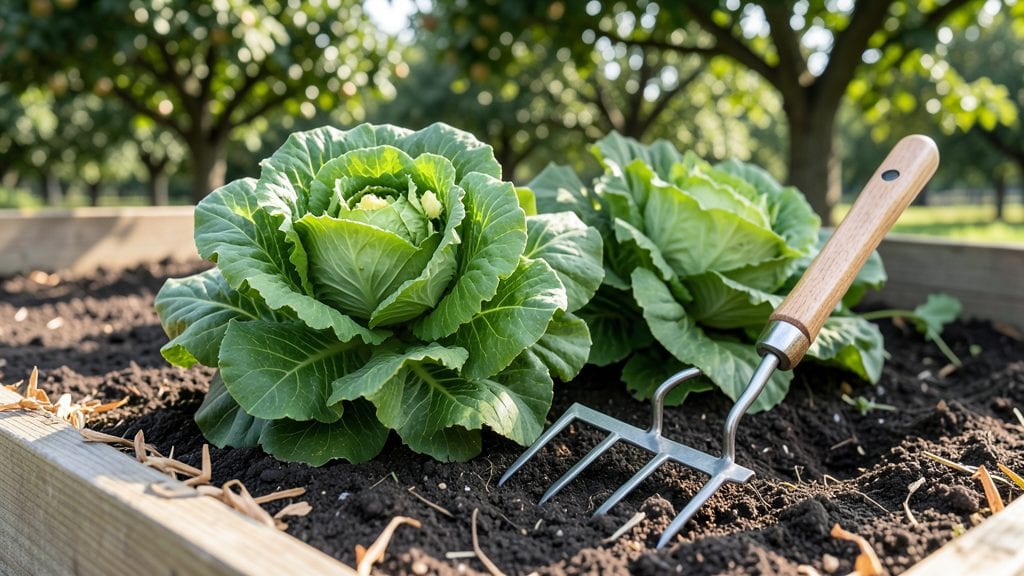
These green spaces do more than beautify schoolyards—they act as living classrooms where students develop critical thinking by observing plant life cycles and calculating growth rates.
Research shows nature exposure reduces stress hormones by up to 20%, helping kids return to lessons with clearer focus. 🌱 I've seen firsthand how digging in soil builds patience while collaborative planting teaches teamwork skills that transfer to group projects.
The sensory engagement alone—touching leaves, smelling herbs—creates multisensory learning that textbooks can't match.
What makes this especially powerful is how gardens bridge subjects. A single tomato plant becomes a math lesson (measuring growth), a biology study (photosynthesis), and even a nutrition discussion (harvesting ingredients).
Schools with active garden programs report 30% higher engagement in STEM subjects because students see direct applications of what they learn. The emotional payoff is just as significant—kids who garden regularly show improved mood regulation and resilience when facing challenges.
💡 In This Article
- How School Gardens Enhance Academic and Emotional Growth
- Implementing School Gardens: Planning and Maintenance Tips
How school gardens enhance academic and emotional growth
School gardens work their magic through a fascinating blend of psychology and neuroscience. When students interact with plants, their brains experience what researchers call "attention restoration theory"—a natural reset that reduces mental fatigue.
Studies show that just 20-30 minutes in a garden setting can lower cortisol (the stress hormone) by 15-20%, creating calmer classrooms where focus improves. The tactile experience of handling soil and plants triggers sensory feedback that engages multiple brain regions simultaneously, making learning more immersive than traditional methods.
This hands-on approach transforms abstract concepts into tangible lessons. For example, measuring plant growth over 8-week intervals teaches real-world math applications, while observing pollinators demonstrates ecology in action. The interdisciplinary connections are powerful: a single basil plant can spark discussions about botany, Italian cuisine, and even historical trade routes.
What's remarkable is how these connections form without explicit instruction—the curiosity is organic. Schools using garden-based learning report 25% better retention rates for science concepts compared to classroom-only instruction.
Emotionally, gardening builds resilience through delayed gratification. Watching seeds take 2-4 weeks to sprout teaches patience, while collaborative planting projects develop teamwork skills that transfer to group work. The physical activity involved—digging, watering, harvesting—releases endorphins that improve mood regulation.
Research from the University of Washington found that students with access to school gardens showed 37% higher self-esteem and 20% less behavioral issues. The sensory engagement alone (smelling herbs, touching velvety leaves) creates multisensory learning that textbooks simply can't replicate.
What most educators don't realize is how gardens address social-emotional learning (SEL) through unstructured play. The open-ended nature of gardening—where there's no single "right" way to grow a plant—builds creative problem-solving. When students troubleshoot why tomatoes aren't ripening, they're practicing critical thinking in a low-stakes environment.
The outdoor setting also reduces social hierarchies that can form indoors, giving shy students opportunities to contribute meaningfully. Schools implementing garden programs often see improved classroom behavior because students return with regulated emotions and heightened engagement.
Here's what the science shows about the cognitive benefits: The combination of nature exposure and physical activity increases blood flow to the prefrontal cortex (responsible for focus and decision-making) by up to 12%. This explains why students often return to lessons with improved attention spans.
The hands-on nature also engages kinesthetic learners who struggle with traditional instruction. For example, teaching fractions becomes concrete when dividing seed packets or measuring plot dimensions. The tactile feedback from working with plants creates stronger neural connections than visual or auditory learning alone.
One often-overlooked benefit is how gardens build environmental literacy through direct experience. When students see firsthand how pesticides affect soil or how composting reduces waste, they develop genuine environmental stewardship. This "place-based education" creates deeper connections to local ecosystems.
Schools in urban areas have used gardens to teach about food deserts and urban agriculture, giving students agency in solving real community problems. The emotional investment in their growing projects makes these lessons far more memorable than lectures about sustainability.