Tools
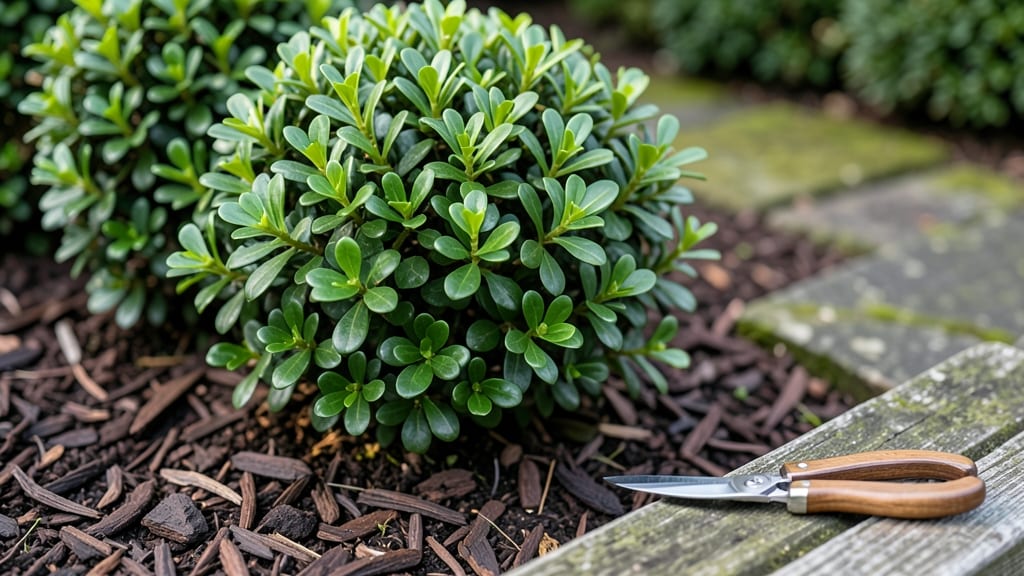
Creating a boxwood topiary garden transforms your yard into a living work of art that stays stunning through every season.
I’ll never forget the first time I saw neatly trimmed boxwoods framing a front door—it felt like stepping into a classic European estate, but with a touch of whimsy that suits any backyard.
The secret lies in choosing the right shapes and spacing them to create depth, whether you go for formal cubes or playful spirals.
You don’t need fancy tools to get started—just sharp pruners, a sturdy ladder for taller designs, and a little patience. Boxwoods thrive in well-drained soil and partial shade, making them perfect for borders, entryways, or even container gardens.
The key is pruning at the right time: a light trim in late spring keeps them lush without sacrificing their structure, and a more precise shaping in early summer sets the stage for winter’s elegant silhouette.
Imagine your garden in winter: glossy evergreen topiaries standing tall against a snowy backdrop, their shapes still crisp and inviting. With just a few well-placed plants, you’ll create a focal point that draws the eye year-round.
Pair them with seasonal blooms like pansies or spring bulbs to add color without competing for attention. The best part? Once established, boxwoods need minimal upkeep—just a little love and occasional shaping to keep them looking their best.
Whether you’re going for a traditional hedge, a sculptural centerpiece, or a playful maze, boxwood topiary gardens adapt to any style. Start small with a single shape, or go bold with a full border—either way, you’ll have a garden that feels timeless and effortlessly polished.
Let’s get those shears ready and turn your vision into reality!
📚 In This Guide
- What you need
- Instructions
- Tips and common mistakes
- Wrapping up and next steps
What you need
- ● Boxwood plants: 10–20 mature boxwood shrubs (depending on design size). Choose Buxus sempervirens (English boxwood) or Buxus microphylla (dwarf boxwood) for smaller projects.
- ● Potting soil: 5–10 bags of high-quality, well-draining potting mix (e.g., Miracle-Gro or FoxFarm Ocean Forest).
- ● Mulch: 2–3 bags of organic mulch (e.g., pine bark or shredded leaves) to retain moisture and suppress weeds.
- ● Fertilizer: Slow-release granular fertilizer (e.g., Osmocote 14-14-14) or organic options like composted manure.
- ● Stakes & twine: 10–15 wooden or metal stakes (4–6 ft tall) and 1 roll of garden twine for support during training.
- ● Pruning shears: Bypass pruners (e.g., Felco or Fiskars) for clean cuts.
- ● Hedge shears: Heavy-duty shears (e.g., Husqvarna or Sun Joe) for shaping.
- ● Hand pruners: Anvil pruners for smaller trims.
- ● Garden gloves: Durable, cut-resistant gloves (e.g., Warrior or Fellex).
- ● Measuring tape: 10–25 ft for precise spacing.
- ● Spray bottle: For misting plants during hot days.
- ● Wheelbarrow or bucket: For transporting soil and clippings.
- ● Topiary wire: Copper or aluminum wire for sculpting intricate shapes.
- ● Plant stakes with labels: For tracking varieties and pruning schedules.
- ● Topiary templates: Styrofoam or cardboard cutouts for guiding shapes.
- ● Fungicide: Copper-based or neem oil spray to prevent powdery mildew.
- ● Hose with adjustable nozzle: For efficient watering.
Instructions for designing a stunning boxwood topiary garden
Creating a boxwood topiary garden transforms your yard into a timeless, sculptural masterpiece with just a few precise cuts.
Choose and Plant Your Boxwoods
Start by selecting 4 boxwood plants—I recommend 'Green Velvet' or 'Winter Gem' for their dense growth and cold hardiness. Space them 4-6 feet apart in a sunny location with well-draining soil. Boxwoods thrive in partial shade to full sun, but avoid harsh afternoon sun in hot climates. Dig holes twice as wide as the root balls and slightly shallower to prevent root rot.
Place each plant so its top is level with the surrounding ground. Backfill with soil, pressing gently to remove air pockets. Water deeply right after planting to settle the roots. Mulch with 2-3 inches of shredded bark around the base, keeping it 6 inches away from the trunk to prevent moisture buildup. This step ensures your topiaries start with strong, healthy roots for shaping.
Establish a Strong Foundation with Initial Pruning
Wait 6-8 weeks after planting before pruning—this lets the plants recover from transplant shock. Once established, trim back any leggy or overgrown branches to encourage bushiness. Use clean, sharp shears to make cuts at a 45-degree angle just above a leaf node. This angle helps water run off and prevents disease.
Shape the plants into a rounded or conical form early on. I like to start with a slightly taller center to create natural balance. Avoid cutting into old wood—if you see gray or woody stems, leave them alone. Focus on fresh green growth for the best results. This foundational pruning sets the stage for your topiary’s final shape.
Refine the Shape with Structural Cuts
After 12-18 months, your boxwoods will have filled out enough for detailed shaping. Plan your design—common topiary shapes include spheres, spirals, pyramids, or geometric forms. Sketch a rough outline on paper first. For a sphere, start by trimming the top into a dome, then taper the sides evenly. For a spiral, use a stake and twine guide to create clean, even curves.
Work in layers, trimming the top first, then the sides, and finally the base. Step back frequently to check your progress—boxwoods respond well to gradual shaping. Prune in early spring or late summer to avoid stressing the plant. Never remove more than one-third of the foliage in a single session. This careful approach keeps your topiaries lush and resilient.
Maintain Year-Round with Minimal Effort
Topiaries need regular trims—twice a year is ideal. In early spring, give them a light shaping to remove any winter damage or uneven growth. In late summer, do a more precise trim to maintain their form. Use a handheld hedge trimmer for large areas and sharp bypass pruners for detail work. Always trim just outside the leaf node to encourage new growth.
Water deeply once a week during the first growing season, then taper to every 10-14 days once established. Boxwoods are drought-tolerant once mature, but they appreciate 1 inch of water per week during dry spells. Fertilize in early spring with a balanced, slow-release fertilizer to support steady growth. This low-maintenance care keeps your topiary garden looking polished with minimal work.
Protect and Preserve for Long-Term Beauty
In winter, apply a 2-3 inch layer of mulch around the base to insulate roots from freezing temperatures. Avoid heavy mulch piles against the trunk, as this can cause rot. If you live in a Zone 5 or colder, consider wrapping young plants in burlap during harsh winters. Boxwoods are generally hardy, but extra protection ensures they bounce back strong in spring.
Watch for boxwood blight or spider mites—common pests that can stress your plants. If you spot yellowing leaves or webbing, treat with neem oil or horticultural soap. Prune out any diseased branches immediately and dispose of them in the trash, not the compost. With proper care, your topiary garden will stay lush, green, and elegant for decades.
Tips & tricks for perfect boxwood topiary garden
Creating a stunning boxwood topiary garden is all about patience and precision—here are the game-changing tips that'll help you achieve professional results without the stress.
The Planting Foundation: When planting your 4 boxwoods, don't rush the hole preparation. Digging holes twice as wide as the root balls and slightly shallower than the container depth is crucial—this prevents root constriction and encourages outward growth. I've learned the hard way that compacted soil can stunt development, so take your time pressing the backfill gently to eliminate air pockets. The first year is all about establishing those roots!
Pruning Precision: In Step 2, when you're making those 45-degree angle cuts just above leaf nodes, use a sharp pair of shears and cut cleanly—no jagged edges. The key is to shape gradually: in early pruning, focus on creating a rounded or conical form with a slightly taller center. This balanced structure makes future shaping much easier. I always test my cuts by looking at the plant from multiple angles—what seems perfect from one side might look lopsided from another.
Timing is Everything: The 6-8 week waiting period before initial pruning might feel long, but it's essential for recovery from transplant shock. Similarly, when you're ready for detailed shaping after 12-18 months, work in layers—top first, then sides, then base—and never remove more than one-third of the foliage at once. I've seen many gardeners rush this process, only to end up with stressed plants that take years to recover. Boxwoods are forgiving, but they reward patience with lush, healthy growth.
Seasonal Care Secrets: For that early spring maintenance trim, look for new growth that's about 1/3 longer than the established shape—this is your cue to prune. In late summer, focus on cleaning up any uneven growth while preserving the overall form. And that 2-3 inch mulch layer in winter? It's not just decoration—it's insulation that protects roots from temperature swings. I've seen topiaries survive harsh winters with this simple protection, while unprotected plants struggled to bounce back.
Pro Tips for Boxwood Topiary Garden
- Creating a stunning boxwood topiary garden is all about patience and precision—here are the game-changing tips that'l...
- The Planting Foundation: When planting your 4 boxwoods, don't rush the hole preparation. Digging holes twice as wide ...
- Pruning Precision: In Step 2, when you're making those 45-degree angle cuts just above leaf nodes, use a sharp pair o...
Frequently asked questions
Got questions about creating a stunning boxwood topiary garden? You’re not alone! Here are some of the most common queries—plus straightforward answers to help you design, maintain, and troubleshoot like a pro.
How often should I prune boxwood topiaries to keep them shaped?
Prune boxwood topiaries 2–3 times a year for best results: light shaping in spring (after last frost), heavy pruning in early summer (before new growth hardens), and a light touch in late summer to tidy up. Avoid pruning in fall or winter—it stresses the plant and invites pests. Use sharp, clean shears for crisp cuts!
Can I start a boxwood topiary garden from cuttings or do I need to buy mature plants?
Yes! Boxwoods root easily from softwood cuttings (taken in spring/summer). Dip the cut end in rooting hormone, plant in moist potting mix, and keep in bright, indirect light. Mature plants (2–3 years old) grow faster and hold shapes better, but cuttings save money and let you customize designs. Pro tip: Use a humidity dome to speed up rooting!
What’s the best way to prevent pests (like boxwood leafminers or spider mites) in my topiary?
Prevention starts with healthy plants: water deeply but avoid soggy soil, mulch to retain moisture, and prune for airflow. For pests, neem oil or insecticidal soap (applied at dusk) works wonders. If leafminers strike, remove heavily infested leaves and treat with Bacillus thuringiensis (Bt). Early action is key!
Are boxwood topiaries cold-hardy? What zones do they thrive in?
Most boxwood varieties thrive in USDA Zones 5–8, with some cold-hardy types (like Buxus ‘Green Velvet’) surviving down to Zone 4 with winter mulch. In colder climates, protect young plants with burlap wraps or frost blankets. Evergreen varieties stay lush year-round, while deciduous types (like Buxus sempervirens ‘Suffruticosa’) drop leaves in winter but regrow quickly.
What are some low-maintenance alternatives to boxwood for topiaries?
If boxwood isn’t your style, try these low-maintenance topiary plants:
- Yew (Taxus): Drought-tolerant, deer-resistant, and holds shapes well (Zones 4–8).
- Hornbeam (Carpinus betulus): Deciduous but fast-growing; great for bold, architectural shapes.
- Lavender: Fragrant, drought-loving, and perfect for small, informal topiaries.
- Rosemary: Hardy, aromatic, and thrives in containers or ground beds.
Tip: Choose plants matched to your climate—some (like yew) handle shade, while others (like rosemary) need full sun!
Wrapping up and next steps
A boxwood topiary garden isn’t just about aesthetics—it’s a timeless investment in beauty and structure that rewards patience and creativity. 🌿 With minimal pruning and year-round appeal, these elegant shapes bring sophistication to any outdoor space while keeping maintenance simple.
Whether you’re a seasoned gardener or just starting, now’s the perfect time to turn your vision into reality!
Ready to get started? Sketch your design, gather your tools, and take the first step—your future garden awaits!