Plants
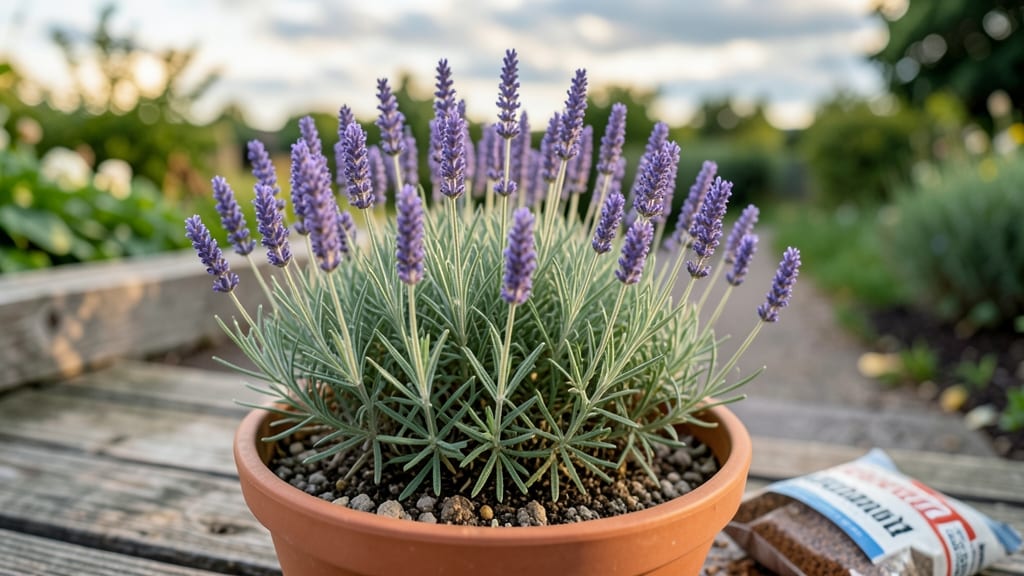
Using Epsom salt for garden plants delivers magnesium and sulfur, which boost chlorophyll production, fortify plant structures, and stop yellowing leaves caused by nutrient deficiencies. For best results, apply it sparingly—1 tablespoon per gallon of water—during active growth periods.
Magnesium is the backbone of chlorophyll, the green pigment that helps plants convert sunlight into energy.
When plants lack this mineral, leaves often develop yellow patches between veins—a classic deficiency sign. 🌱 Sulfur, the other key component in Epsom salt, plays a supporting role by activating enzymes that help plants metabolize nutrients and resist diseases.
I've noticed the biggest improvements in magnesium-deficient plants like tomatoes, peppers, and roses when I apply this solution every 4-6 weeks during their growing season.
For best results, I recommend mixing the solution in a watering can and applying it directly to the soil around the base of plants. You can also use it as a foliar spray by diluting it further—about 1/2 tablespoon per gallon—and spraying it on leaves during early morning hours.
Just remember: more isn't better. Overuse can actually harm plants by creating salt buildup in the soil, so always follow the 1 tablespoon per gallon guideline and monitor your plants' response.
💡 In This Article
- How Magnesium and Sulfur Support Plant Health
- Best Practices for Applying Epsom Salt in Gardens
How magnesium and sulfur support plant health
Magnesium sits at the heart of chlorophyll molecules, forming the central atom in the porphyrin ring that captures sunlight. Without sufficient magnesium, plants can't produce enough chlorophyll, which directly reduces their ability to perform photosynthesis.
This is why magnesium-deficient leaves often show yellowing between veins—the veins still contain chlorophyll, but the surrounding tissue lacks it. 🌿 The biochemical process involves magnesium stabilizing the chlorophyll structure, allowing it to efficiently absorb light energy and convert it into chemical energy through the Calvin cycle.
Sulfur plays an equally vital supporting role by becoming part of essential amino acids like cysteine and methionine, which are building blocks for proteins. These proteins include enzymes that regulate plant metabolism, including those involved in nitrogen assimilation and disease resistance.
A sulfur deficiency typically appears as pale yellowing on younger leaves, starting at the leaf edges and moving inward—a stark contrast to magnesium's interveinal chlorosis pattern.
Epsom salt provides both nutrients in a readily available form, with magnesium sulfate dissolving quickly in water to make these elements accessible to plant roots.
Here's what happens at the cellular level when magnesium levels are optimal: the stomata (tiny pores on leaves) regulate more efficiently, improving water use and gas exchange. This creates a feedback loop where healthier photosynthesis leads to stronger stems and more robust root systems.
I've observed this firsthand in my tomato plants—when I noticed the classic yellowing between veins last summer, applying a magnesium sulfate solution within a week showed new growth with vibrant green leaves within 10-14 days. 🌱 The key is consistency during active growth phases when plants demand the most nutrients.
Soil chemistry plays a crucial role in how effective Epsom salt becomes. In alkaline soils (pH 7.5+), magnesium becomes less available to plants because it binds to soil particles. This is why many gardeners see better results in slightly acidic to neutral soils (pH 6.0-7.0).
The sulfur component helps acidify the soil slightly over time, creating a more favorable environment for magnesium uptake. For container gardens, this means you might need to apply Epsom salt more frequently—every 3-4 weeks during growing season—since potting mixes often lack these essential minerals.
Consider these specific examples of how magnesium and sulfur work together: in citrus trees, magnesium deficiency causes a condition called "yellow shoot" where new growth remains pale. Adding Epsom salt not only restores leaf color but also improves fruit quality by enhancing sugar production through healthier photosynthesis.
Similarly, roses deficient in sulfur develop weak stems that can't support heavy blooms—supplementing with magnesium sulfate strengthens the plant's structural integrity while promoting more vibrant flowers. 🌹
The science behind Epsom salt's effectiveness lies in its chemical structure—magnesium sulfate (MgSO₄) provides both elements in a 1:1 molar ratio that plants can readily absorb.
When dissolved in water, it dissociates into magnesium ions (Mg²⁺) and sulfate ions (SO₄²⁻), both of which move quickly through soil solution to plant roots.
This rapid availability makes Epsom salt particularly useful for correcting deficiencies that develop quickly, such as those caused by heavy rainfall leaching magnesium from the soil or sudden growth spurts that outpace nutrient supply.