Fertilization
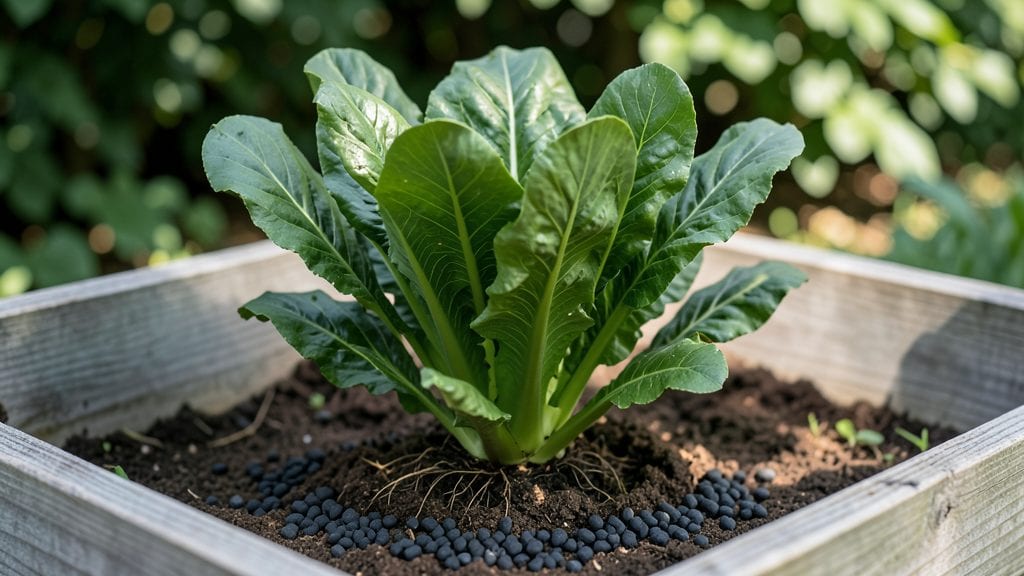
Charcoal in gardening enhances soil aeration, moisture retention, and toxin neutralization while filtering harmful chemicals—ideal for potted plants and garden beds when using activated or wood-based charcoal correctly.
Charcoal isn’t just for grilling—it’s a powerhouse in soil health when used right. 🌱 The porous structure acts like a natural filter, trapping heavy metals and excess salts while improving drainage and water absorption. I’ve seen it transform compacted soil in containers, giving roots better airflow and reducing fungal risks.
Just remember: too much can raise soil pH, so start with a light mix (about 10% by volume) and monitor your plants’ response.
For best results, opt for food-grade activated charcoal or finely crushed hardwood charcoal—both are safer than briquettes. Sprinkle it lightly around plants or mix into the top 2-3 inches of soil, avoiding direct root contact. This approach mimics ancient biochar techniques while keeping your garden fresh and toxin-free.
💡 In This Article
- How Charcoal Enhances Soil Chemistry and Plant Growth
- Best Charcoal Types and Application Methods for Gardens
How charcoal enhances soil chemistry and plant growth
Charcoal works like a microscopic sponge in the soil, thanks to its porous structure created during high-temperature carbonization.
These tiny pores—ranging from 0.5 to 50 nanometers—give it a surface area of up to 300 square meters per gram, making it far more effective than regular soil particles at trapping contaminants.
The science behind this is called adsorption: instead of dissolving like soluble fertilizers, harmful chemicals and excess salts bond to the charcoal's surface through weak molecular forces, preventing them from harming plant roots.
One of its most impressive abilities is pH neutralization. While charcoal itself is neutral (pH 7), it buffers acidic soils by absorbing hydrogen ions. This is particularly useful in urban gardens where rainwater and pollutants can acidify soil over time.
Unlike lime (which permanently raises pH), charcoal provides temporary buffering—ideal for delicate plants like blueberries that need pH 4.5-5.5 but can't tolerate sudden shifts. The porous structure also creates microhabitats for beneficial microbes, similar to how biochar boosts soil biodiversity in tropical agriculture.
Water retention happens through capillary action—the same principle that helps paper towels soak up spills. Charcoal's pores hold 2-3 times their weight in water while still allowing excess to drain, preventing root rot that plagues peat moss.
Unlike compost (which decomposes and loses structure), charcoal maintains its physical properties for years. This makes it especially valuable in containers where water evaporates quickly—adding just 10% charcoal by volume can double moisture retention without compacting the soil.
For nutrient retention, charcoal acts like a slow-release fertilizer holder. Organic compounds and minerals bind to its surface, becoming available to plants as microbes gradually break them down. This mimics the natural process seen in Amazonian terra preta soils, where ancient farmers added biochar to preserve nutrients.
The difference? Traditional biochar requires 500°C+ pyrolysis, while garden charcoal achieves similar benefits at 300-400°C, making it more accessible for home gardeners.
Comparing it to peat moss reveals key differences: peat is 90% organic matter that decomposes over time, while charcoal is 98% carbon with stable structure. Peat moss holds water but suffocates roots when compacted; charcoal improves aeration while retaining moisture.
For acidic-loving plants like azaleas, peat moss is still better—but for most vegetables and ornamentals, charcoal's longevity and detoxifying properties make it the superior amendment over time.
The microbial boost comes from charcoal's ability to host 10-100 times more beneficial bacteria than regular soil. These microbes break down organic matter more efficiently, creating a self-sustaining nutrient cycle.
Think of it as adding a biological filter to your soil—just like how activated charcoal cleans water, it purifies the root zone by trapping pathogens and reducing fungal diseases like damping-off in seedlings.