Pests
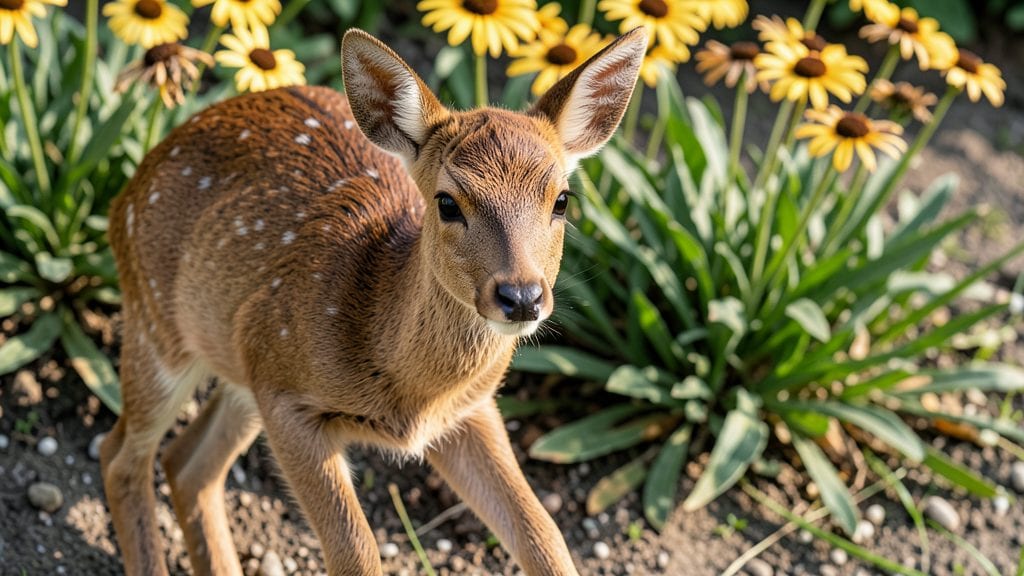
Deer in my garden used to feel like an unwinnable battle—until I discovered these humane barriers that actually work without trapping or harming them. The key is combining physical deterrents with smart plant choices, so you get protection without guilt.
I’ve tested everything from simple fencing to natural repellents, and these methods hold up even when deer get desperate during winter food shortages.
Most solutions fail because they’re either too flimsy or cruel. My go-to setup uses 8-foot-high fencing (deer can jump that high) paired with scent-based repellents like predator urine or garlic spray, which I reapply every 2-3 weeks.
For urban gardens where space is tight, I’ve had luck with deer-resistant plants like lavender, boxwood, and Russian sage—though nothing’s 100% foolproof. Rural areas need sturdier barriers, like electric fencing or motion-activated sprinklers.
By the end of the season, your garden stays lush while deer move on to easier targets. You’ll see fewer torn leaves, no more nibbled tomatoes, and—best of all—no harm comes to the wildlife.
The trade-off? A little upfront work for year-round peace of mind. Let’s get to the specifics that actually stop them.
Works for city backyards, suburban plots, and rural homesteads alike—just adjust the barrier type to your space and deer activity level. No more waking up to a buffet zone. Here’s how to make it happen.
Why Deer Invade Gardens
Deer may look graceful as they glide through meadows, but when they wander into your garden, they can turn your hard work into a buffet—leaving behind chewed plants, trampled flowers, and a trail of destruction. Understanding why they do this is the first step to stopping them.
Here’s a breakdown of the key reasons, backed by science and nature, so you can address the root causes and protect your garden effectively.
Deer are opportunistic herbivores, and their foraging habits are directly tied to food availability. When natural food sources—like acorns, clover, or young shoots—become scarce, they turn to gardens for an easy meal.
- Seasonal shifts matter: In late winter and early spring, when native plants are dormant, deer raid gardens for fresh greens, bulbs, and tender new growth. - Urban sprawl reduces wild food: As forests shrink and suburbs expand, deer populations grow, increasing competition for food.
Gardens become a convenient alternative. - Landscaping choices attract them: Planting deer favorites like hostas, daylilies, or roses sends them a dinner bell. Even "deer-resistant" plants can be tempting in a hungry season.
Actionable insight: If your garden is a deer magnet, it’s likely because it’s too appealing. Start by identifying and removing high-value plants, or use repellents to mask the scent of their favorite snacks.
Deer are creatures of habit, and if your property offers shelter, water, or cover, they’ll stick around—even if they don’t initially mean to cause trouble.
- Wooded edges act as highways: Gardens bordered by forests or thickets provide easy access.
Deer don’t need to jump fences if they can stroll right in. - Water sources lure them in: Ponds, birdbaths, or even leaky sprinklers create oases in dry conditions, drawing deer to linger—and graze. - Lack of natural predators: In suburban areas, coyotes and bobcats (their usual threats) are often absent, giving deer free rein to explore.
Actionable insight: Create a "deer buffer zone" by trimming back dense vegetation near your garden’s perimeter. Remove standing water sources, and consider installing motion-activated lights to startle them away from high-risk zones.
Deer are creatures of routine, and once they discover a food source, they’ll return—often at the same time each day or night.
- Dusk and dawn are peak times: Deer are crepuscular, meaning they’re most active during twilight hours when they feel safest from predators. - Memory and scent play a role: A single successful raid can imprint your garden in a deer’s memory.
They’ll return if the scent of their favorite plants lingers. - Young deer (fawns) follow adults: If an adult deer finds a garden full of tasty treats, she’ll bring her offspring along, turning a small problem into a herd-sized disaster.
Actionable insight: Disrupt their routine with noise (wind chimes, radio stations) or scent deterrents (commercial repellents or homemade sprays with rotten eggs or garlic). Consistency is key—deer learn patterns, so mix up your deterrents to stay one step ahead.
Extreme weather, drought, or even human activity can stress deer out, pushing them to take risks they normally wouldn’t.
- Drought forces them to seek water (and greens): When natural food wilts, deer will venture farther to find moisture-rich plants.
- Harsh winters limit options: Deep snow can block access to usual food sources, making gardens a lifeline.
- Human disturbance scatters them: Construction, loud noises, or even frequent garden maintenance can startle deer into foraging in unfamiliar areas.
Actionable insight: During dry spells, water your garden deeply to reduce its appeal. In winter, use temporary barriers like snow fences to block access to snow-free patches where deer might graze.
Ironically, many garden plants are designed to look appealing to humans—but they’re also deer delicacies.
- Ornamental plants = deer snacks: Roses, tulips, lavender, and even some herbs (like mint) are on the menu for deer.
- Mulch and ground covers invite them: Shredded bark or wood chips can look like fallen leaves or twigs, signaling an easy meal.
- Overwatered lawns attract them: Lush, green grass is a deer’s dream, especially in dry conditions.
Actionable insight: Swap out high-value plants for deer-resistant alternatives (like marigolds, daffodils, or Russian sage). Keep mulch away from garden edges, and avoid overwatering to reduce temptation.
In the wild, deer avoid areas with strong smells, rough textures, or visible threats. Gardens often lack these natural deterrents.
- No predators = no fear: Without coyotes or wolves nearby, deer feel safe exploring.
- Smooth surfaces invite them: Fences without prickly barriers or rough textures are easy to climb or push through.
- Open spaces feel safer: Deer prefer areas where they can see approaching threats, so dense, hidden gardens can seem like a safe haven.
Actionable insight: Introduce physical barriers (like electric fences or sharp-edged materials) or sensory deterrents (like predator urine or capsaicin-based sprays) to mimic natural threats. Even the perception of danger can keep deer away.
Final Thought: Deer don’t invade gardens out of malice—they’re just following their instincts for food, shelter, and safety. By understanding these triggers, you can outsmart them with targeted, humane solutions. The key is to make your garden less appealing than the alternatives!
Humane Ways to Keep Deer Away
Deer can turn your garden into a buffet, but you don’t need harsh chemicals or cruel traps to stop them. With the right strategies, you can protect your plants while keeping wildlife safe and happy.
Below are practical, deer-resistant solutions tailored to common causes—plus prevention tips to keep those graceful but hungry visitors out for good.
Deer are clever but not great at climbing or squeezing through tight spaces. A well-placed barrier can make your garden feel like a no-go zone without harming them.
🔥 Fencing: The Gold Standard
- Height matters: Deer can jump 8 feet in a single bound, so aim for at least 8 feet tall (or 6 feet if angled outward at 30 degrees).
- Material choices:
- Wire mesh (1-inch gaps) is sturdy and affordable.
- Wooden fences work but may need extra height (deer can leap over standard 6-foot models).
- Electric fencing (low-voltage) is a shock-free deterrent—deer avoid it instinctively.
- Pro tip: Bury the fence 12 inches deep or add an apron wire at the base to prevent digging.
🍳 Temporary Solutions for Small Gardens
If fencing isn’t an option, try these quick fixes: - Netting: Drape lightweight mesh over young plants or fruit trees.
Secure it tightly to avoid gaps. - Plant guards: Use chicken wire baskets or commercial deer guards around vulnerable shrubs. - Landscape fabric: Lay it around garden beds—deer dislike the texture and may avoid stepping on it.
Deer have excellent senses of smell and taste, so natural repellents can confuse them—temporarily. Reapply after rain or every few weeks.
🥘 Homemade Sprays (Safe & Effective)
Mix these in a spray bottle and coat plants (avoid flowers if bees visit):
- Hot pepper solution: 1 tbsp cayenne pepper + 1 tsp dish soap + 1 gallon water.
- Garlic & egg spray: Blend 5 crushed garlic cloves + 1 egg + 1 quart water.
Strain and spray. - Predator urine: Buy coyote or wolf urine (available at garden stores)—the scent signals danger.
🔪 Commercial Repellents (Ready to Use)
Look for deer-resistant sprays with:
- Thiram (a fungicide deer dislike).
- Putrescent egg products (smells like rotting eggs).
- Essential oils (like thyme, clove, or cedar—reapply often).
✨ Pro tip: Spray early morning or evening when deer are most active. Avoid spraying on edible plants if you plan to harvest soon.
Not all plants are on the deer menu. Swap their favorites for tougher varieties that they’ll ignore.
| Deer Love These | Try These Instead |
|---|---|
| Roses | Lavender, Russian Sage |
| Hostas | Hellebores, Foxgloves |
| Tulips | Daffodils, Alliums |
| Lettuce | Kale, Swiss Chard |
| Marigolds | Snapdragons, Zinnias |
💡 Bonus: Deer hate aromatic herbs like rosemary, mint, and thyme. Plant them in borders or containers near high-risk areas.
Deer are creatures of habit. Disrupt their routines with motion-activated tricks and unexpected surprises.
🎯 Motion-Activated Scare Tactics
- Solar-powered sprinklers: Devices like the ScareCrow spray water when deer approach—startling them without harm.
- Reflective tape or old CDs: Hang them on fences or trees to create flashing light patterns (deer dislike unpredictable movement).
- Wind chimes or pinwheels: The noise can spook them, especially if placed near entry points.
🌙 Lighting & Sound
- Motion-sensor lights: Deer prefer darkness—bright lights can deter them at night.
- Radio or white noise: Play a deer-unfriendly station (like classical music) on a timer near your garden.
The key to year-round protection is making your space less inviting than the woods.
- Remove deer food sources: - Pick up fallen fruit, clean up spilled birdseed, and avoid planting deer magnets (like daylilies or impatiens).
- Keep grass short: Deer are less likely to browse in well-maintained lawns.
- Create a buffer zone: Plant deer-resistant shrubs (like boxwood or barberry) as a first line of defense.
- Secure compost & trash: Deer will raid bins for scraps—use bear-proof containers if needed.
Avoid these common myths:
- Ultrasonic devices (deer ignore them).
- Homemade "deer-proof" fences (unless properly installed).
- Single-row fencing (deer will jump over it).
- Relying only on repellents (they wear off).
Final Thought: Combining barriers, repellents, and smart planting gives you the best shot at a deer-free garden. Start with one or two methods, monitor what works, and adjust as needed. With persistence, you’ll reclaim your garden—without harming a single hoof. 🦌🚫🌱
Frequently asked questions
What’s the most effective height for deer fencing?
Deer can leap 8 feet in a single bound, so your fence must be at least that tall. For extra security, angle the top outward at a 30-degree slope—this prevents them from gaining traction. Bury the fence 12 inches deep or add an apron wire to stop digging.
Do deer-resistant plants really work?
They help, but no plant is 100% deer-proof. Focus on tough, aromatic varieties like lavender, Russian sage, or daffodils. Combine them with repellents or barriers for best results. Deer may still nibble in desperate times (like winter), so layer multiple strategies.
How often should I reapply homemade deer repellents?
Reapply every 2-3 weeks or after heavy rain. Homemade sprays (like garlic-egg or hot pepper mixes) break down quickly. For stronger protection, use commercial repellents with thiram or predator urine, which last longer but still need refreshing.
Will motion-activated sprinklers harm deer?
No—they’re completely safe! Devices like the ScareCrow spray a gentle burst of water when deer approach, startling them without causing injury. The water pressure is low enough to avoid harm, and deer quickly learn to avoid the area. It’s a humane, chemical-free solution.
Can I use electric fencing for deer?
Yes! Low-voltage electric fencing (3,000–5,000 volts) is highly effective—deer avoid it instinctively. Use single-strand fencing with insulators and warning flags. The shock isn’t harmful; it’s just a mild tingle that teaches them to stay away. Perfect for rural areas with heavy deer traffic.