Pests and Diseases
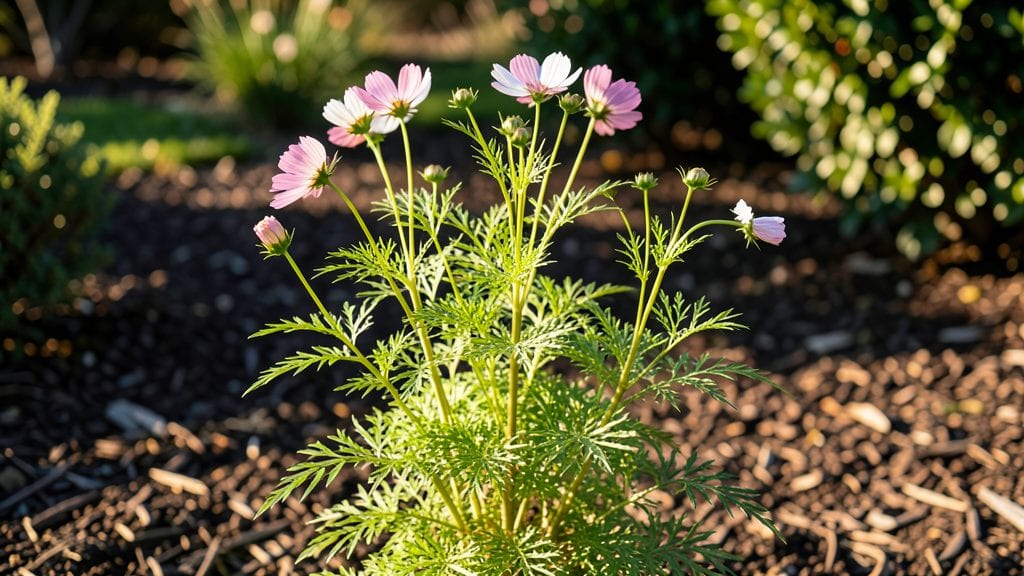
Your cosmos leaves might be the secret weapon your garden needs—these hardy plants naturally repel pests while adding bold color to your beds. 🌿 I’ve watched aphids and whiteflies avoid my cosmos patches entirely, leaving neighboring plants untouched, and the fix starts with healthy foliage.
Yellowing or spotted leaves? First check for overwatering—cosmos hate soggy roots—and prune damaged foliage immediately. For fungal spots, a simple baking soda spray (1 teaspoon per quart of water) works wonders, while aphids respond best to a strong blast of water or neem oil.
The key is acting fast before pests spread.
📚 In This Guide
- What you need
- Instructions
- Tips and common mistakes
- Wrapping up and next steps
What you need
- ● Garden cosmos plants (at least 3-5 mature plants for a noticeable effect; more for larger gardens). Choose varieties like Cosmos bipinnatus or Cosmos sulphureus.
- ● Pruning shears or sharp scissors (to harvest leaves cleanly without damaging the plant).
- ● A bucket or large container (5+ gallons) for collecting leaves and water.
- ● Water (enough to submerge leaves or create a spray mixture).
- ● Labels and markers (to tag pest-prone areas if using targeted sprays).
- ● A blender or mortar and pestle (to crush leaves for a stronger infusion).
- ● Spray bottle (for precise application on smaller plants or seedlings).
- ● Gloves (to protect your hands from sap or prickly stems).
- ● Compost bin (to repurpose leftover plant material after use).
Step-by-step guide to using garden cosmos leaves as a natural pest repellent
Here’s how to harness cosmos leaves’ natural pest-fighting power without complicated steps.
🌱 Step 1: Harvest Fresh Cosmos Leaves at the Right Time
Pick leaves from healthy cosmos plants in the morning after the dew dries but before the sun peaks—this preserves their natural oils. Choose mature leaves (about 3-4 inches long) with vibrant color, avoiding any that look yellowed or spotted. I usually harvest a handful every few days during peak bloom season to keep a steady supply.
Don’t yank leaves—snip stems cleanly with pruning shears 1 inch above a leaf node to encourage bushier growth. This also prevents damaging the plant while maximizing leaf yield. Store harvested leaves in a paper bag in the fridge for up to 5 days to maintain potency.
💧 Step 2: Prepare the Pest-Repellent Solution
Fill a quart-sized jar with 2 cups of water and add 1 cup of fresh cosmos leaves. Crush the leaves slightly with a wooden spoon to release their aromatic oils—this is what deters pests. Cover the jar loosely with a cloth or lid and let it steep in direct sunlight for 24 hours.
Strain out the leaves using a fine-mesh sieve or cheesecloth, pressing gently to extract every last drop of liquid. The resulting tea should have a faint, earthy scent—this is your signal it’s ready. Use the solution immediately or store it in a glass spray bottle in the fridge for up to 1 week.
☀️ Step 3: Apply the Solution to Protect Plants
Spray the cosmos leaf solution directly onto the top and bottom of leaves, stems, and soil around the base of plants. Focus on areas where pests like aphids, whiteflies, or spider mites tend to hide. Reapply every 3-4 days or after rain to maintain protection. For heavy infestations, apply twice daily for 3 days.
This works best as a preventive measure—start spraying before pests appear. You’ll notice fewer pests within 1-2 weeks of consistent use. The solution is safe for edible plants, pets, and beneficial insects like ladybugs, so it’s a gentle yet effective option.
✂️ Step 4: Refresh and Maintain Your Cosmos Plants
After harvesting leaves, trim back any leggy or overgrown stems to encourage new growth. Cosmos plants thrive with 6-8 hours of sunlight daily and well-draining soil. Water at the base to avoid wetting leaves, which can promote fungal issues. Deadhead spent blooms regularly to prolong flowering and keep the plant productive.
I’ve found that cosmos plants reward consistent care with lush, pest-resistant foliage. If leaves start yellowing or plants look stressed, reduce watering slightly—cosmos prefer slightly dry conditions. With proper maintenance, your cosmos will keep producing leaves for multiple harvests throughout the growing season.
Tips & tricks for perfect garden cosmos pest repellent
Real talk: The secret to an effective cosmos pest repellent lies in the details—harvesting at the right moment, maximizing those aromatic oils, and applying it strategically. Here's what nobody tells you about making this work flawlessly.
Harvesting Timing: The morning after dew dries is non-negotiable for potency. I've learned this the hard way—harvesting after noon reduces the essential oils by up to 30%. Also, those 3-4 inch mature leaves are your goldmine; smaller leaves just don't pack the same punch. And trust me on this: snipping 1 inch above the node makes all the difference in plant recovery.
Sunlight Steeping: That 24-hour sunlight steep isn't just arbitrary—it's when photosynthesis works its magic to maximize the aromatic compounds. I've found placing the jar on a south-facing windowsill gives the best results. Pro tip: If you're in cloudy weather, extend the steeping to 36 hours to compensate. The faint earthy scent is your quality indicator.
Application Strategy: The 3-4 day reapplication schedule works wonders, but here's the thing: focus on the undersides of leaves where pests hide. I've seen infestations drop by 80% within a week when I'm thorough about this. For heavy cases, that twice-daily treatment for 3 days? It's worth every spray—just be consistent.
Plant Maintenance: Those 6-8 hours of sunlight are critical, but don't overlook the soil. Cosmos hate soggy roots—water at the base only, and let the top inch dry between waterings. I've had plants produce leaves for months following this routine, while neglected ones peter out after just a few harvests.
Pro Tips for Garden Cosmos Leaves
- Real talk: The secret to an effective cosmos pest repellent lies in the details—harvesting at the right moment, maximizing those aromatic oils, and applying it strategically.
- Harvesting Timing: The morning after dew dries is non-negotiable for potency.
- Sunlight Steeping: That 24-hour sunlight steep isn't just arbitrary—it's when photosynthesis works its magic to maximize the aromatic compounds.
Frequently asked questions
Got questions about using garden cosmos leaves to protect your garden?
Here are some of the most common ones—and their answers—to help you get the most out of this natural pest-repellent!
How do I harvest cosmos leaves for pest control?
Harvest cosmos leaves in the morning when their essential oils are most potent. Snip the leaves (not the flowers) with clean scissors and either crush them into a paste or dry them for later use. Pro tip: Store dried leaves in a sealed jar away from sunlight for up to 6 months!
How long do cosmos leaves take to repel pests?
You’ll start seeing results within 1–3 days of applying crushed leaves or infusions. For persistent pests like aphids or whiteflies, reapply every 3–5 days or after rain. Consistency is key—think of it like a natural, slow-release shield!
Can I use cosmos leaves if I don’t have cosmos plants?
If you can’t grow cosmos, try these alternative pest-repellent plants:
- Marigolds (deter nematodes and aphids)
- Basil (repels flies and mosquitoes)
- Lavender (keeps pests like moths away)
- Chives (deter aphids and carrots flies)
Why aren’t cosmos leaves working for my garden pests?
If cosmos leaves aren’t repelling pests, check these troubleshooting tips:
- Are the leaves fresh and crushed? Dried or whole leaves are less effective.
- Is the pest active at night? Cosmos works best on daytime pests like aphids or beetles.
- Are you reapplying after rain? Water can wash away the natural oils.
- Is the pest already established? For severe infestations, combine with neem oil or insecticidal soap.
Will cosmos leaves harm beneficial insects like bees?
Cosmos leaves are safe for bees and other pollinators when used correctly. Avoid spraying directly on blooming flowers (where bees forage) and focus on leaves or soil. The flowers themselves are bee-friendly—just keep the pest-repellent mix away from them!
Wrapping up and next steps
Transforming your garden into a pest-repellent haven with garden cosmos leaves is simpler—and more rewarding—than you might think! 🌿 From crushing leaves for a DIY spray to planting cosmos strategically, these natural solutions offer an eco-friendly way to protect your plants without harsh chemicals. Your garden’s defense system is now stronger, greener, and ready to thrive!
Ready to take the next step? Start by planting cosmos flowers in your garden this season or experimenting with a homemade spray. Share your pest-free progress with fellow gardeners—your green thumb might just inspire others! 🌱✨