Planting
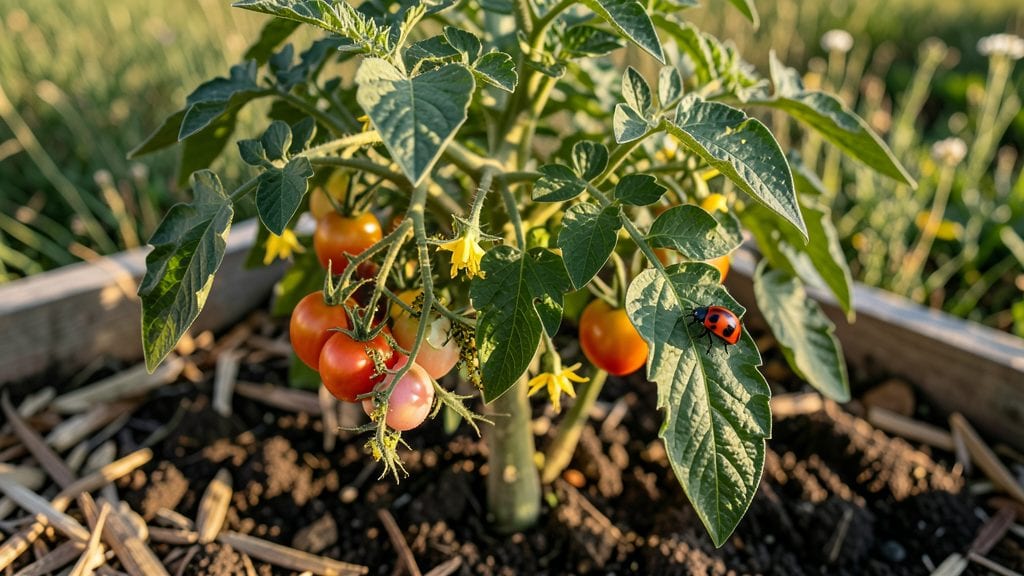
When garden plant pests turn your thriving garden into a buffet, natural barriers are your secret weapon. 🌱 I’ve battled aphids, slugs, and caterpillars for years—until I discovered these simple, chemical-free defenses that actually stop them in their tracks.
The key isn’t just spraying; it’s creating an environment where pests can’t survive long enough to cause real damage.
Most gardeners reach for harsh sprays first, but the real game-changer is prevention. Planting pest-repelling companions like marigolds or basil, using row covers, or even a layer of diatomaceous earth can make all the difference.
These methods work because they disrupt pests’ life cycles without harming your plants—or your family. And the best part? They’re easy to set up with supplies you might already have.
You’ll see results fast—fewer chewed leaves, no more sticky aphid trails, and plants that stay strong all season. The trick is consistency: check your barriers weekly, adjust as pests evolve, and watch your garden thrive without constant battles. No more losing entire rows to slugs or caterpillars.
Whether you’re dealing with aphids on roses or slugs in your lettuce, these strategies adapt to any garden. The right barrier turns your yard into a fortress where pests don’t stand a chance. Let’s get started with the solutions that actually work.
The Hidden Triggers Behind Plant Problems
Understanding why pests invade your garden—and why plants suddenly become vulnerable—is the first step to stopping them naturally. These issues rarely happen by chance. Instead, they’re often the result of environmental shifts, plant stress, or even human habits.
Let’s break down the real culprits behind garden plant pest outbreaks, so you can address the root cause (and not just the symptoms).
When plants grow too close together, they compete for light, water, and nutrients—weakening their defenses.
Pests like aphids, spider mites, and whiteflies thrive in dense foliage because: - Reduced airflow creates humid microclimates, perfect for fungal pests (e.g., powdery mildew) and soft-bodied insects. - Shaded leaves struggle to photosynthesize efficiently, making them less resilient to attacks. - Hidden nooks provide shelter for pests to multiply undetected.
Actionable fix: Space plants according to their mature size (check seed packets for guidance) and prune regularly to improve airflow. 🌿
Pests aren’t random—they follow water signals. Overwatering or inconsistent moisture levels stress plants, releasing sugary sap (a pest magnet) and creating soggy soil where fungal pests and root-eating grubs flourish.
| Problem | Pest Risk | Why It Happens |
|---|---|---|
| Overwatering | Slugs, fungus gnats, root rot | Soft, waterlogged soil attracts slugs; excess moisture promotes fungal spores. |
| Underwatering | Spider mites, aphids | Drought-stressed plants produce sticky honeydew, luring ants and aphids. |
| Late-night watering | Powdery mildew, bacterial infections | Damp leaves at night encourage fungal growth. |
Actionable fix:
- Water early in the day (6–10 AM) to let foliage dry quickly.
- Use drip irrigation or soaker hoses to target roots, not leaves.
- Mulch (2–3 inches) to retain moisture without creating soggy conditions. 💧
Plants low in nitrogen, phosphorus, or micronutrients (like potassium or calcium) can’t produce strong cell walls or toxic compounds that repel pests.
For example: - Nitrogen deficiency → Pale, weak leaves → More vulnerable to cabbage worms and leaf miners. - Magnesium deficiency (yellowing between veins) → Plants can’t synthesize chlorophyll, making them easier targets for Japanese beetles. - Excess nitrogen → Soft, lush growth → Attracts chewing insects like cutworms.
Actionable fix:
- Test your soil (DIY kits or professional labs) to identify deficiencies.
- Use compost or balanced organic fertilizers (like 5-5-5) to avoid overfeeding.
- Epsom salt (magnesium sulfate) can boost magnesium levels in deficient plants. 🌱
Pests are opportunists—they exploit temperature changes, sudden rains, or droughts to move in.
For instance: - Early spring warmth → Aphids and scale insects hatch faster, overwhelming tender new growth. - Hot, dry summers → Spider mites explode in populations as plants wilt and release stress signals. - Unseasonable rains → Fungal pests (like black spot on roses) spread rapidly in damp conditions.
Actionable fix:
- Monitor weather forecasts and adjust care (e.g., reduce watering before predicted rain).
- Use row covers in early spring to block migrating pests.
- Plant pest-resistant varieties suited to your climate zone. 🌤️
Even well-meaning gardeners can unintentionally invite pests:
- Bringing in infested plants (e.g., nursery stock with hidden aphids or whiteflies).
- Ignoring fallen leaves/debris (harbors eggs, larvae, and overwintering pests).
- Using synthetic pesticides that kill beneficial insects (like ladybugs), disrupting the garden’s natural balance.
Actionable fix:
- Inspect new plants under leaves and in soil before transplanting.
- Clean up debris regularly—especially in fall/winter when pests seek shelter.
- Encourage predators (ladybugs, lacewings) with native plants like dill, fennel, or marigolds. 🐞
Compacted, nutrient-poor, or pH-unbalanced soil stresses plants, making them emit volatile organic compounds (VOCs) that attract pests.
For example: - Acidic soil (pH <6.0) → Favors clubroot disease in brassicas and armillaria root rot. - Alkaline soil (pH >7.5) → Locks out iron/manganese, causing yellowing leaves that attract leafhoppers. - Compacted soil → Restricts root growth, making plants more susceptible to grubs and wireworms.
Actionable fix:
- Amend soil with compost, aged manure, or sulfur (to lower pH) or lime (to raise pH).
- Aerate compacted soil with a garden fork or garden weasels.
- Mulch heavily (4–6 inches) to improve soil structure over time. 🌍
Natural Fixes for Common Plant Problems
Now that you know what’s munching on your garden, let’s tackle those troublemakers with effective, eco-friendly solutions—no harsh chemicals required! Below, we’ve matched the most common culprits to simple, actionable fixes, plus prevention tips to keep your plants thriving long-term.
Cause: Tiny sap-suckers cluster on new growth, leaving sticky residue (honeydew) and stunted leaves. Fix:
- Blast them away 💦: Spray aphids directly with a strong stream of water from your hose (repeat every 2–3 days).
- Soapy water solution 🧼: Mix 1 tsp mild liquid soap + 1 quart water in a spray bottle. Test on a small leaf first—aphids will drop off within minutes.
- Introduce predator friends 🐞: Ladybugs, lacewings, and parasitic wasps (like Aphidius colemani) love aphids. Buy them online or attract them with dill, fennel, or marigolds.
Prevention:
- Encourage airflow by pruning dense foliage—aphids thrive in crowded, humid spots.
- Neem oil spray (1 tbsp neem oil + 1 tsp soap per quart of water) as a preventive barrier weekly during peak growing seasons.
Cause: These slimy pests leave irregular holes in leaves overnight, targeting tender seedlings and hostas. Fix:
- Beer traps 🍺: Bury a shallow dish filled with beer near affected plants. Slugs crawl in and drown—replace every few days.
- Copper barriers ⚡: Slugs hate copper! Bend a copper wire or tape around pots/beds to create a zap-free zone.
- Diatomaceous earth (DE) 🌡️: Sprinkle food-grade DE around plants (reapply after rain). It dehydrates slugs without harming plants.
Prevention:
- Water in the morning (slugs are nocturnal and avoid dry conditions).
- Crushed eggshells or gravel around plants act as a physical deterrent.
Cause: These tiny white moths cluster on undersides of leaves, weakening plants with their sticky honeydew and spreading viruses. Fix:
- Yellow sticky traps 🎯: Hang yellow cards coated in petroleum jelly near plants—they’ll get stuck fast.
- Neem oil spray (repeat every 5–7 days) disrupts their life cycle.
- Reflective mulch ✨: Cover soil with aluminum foil or reflective fabric to disorient their flight patterns.
Prevention:
- Inspect new plants before bringing them home (whiteflies often hitchhike).
- Encourage wasps (like Encarsia formosa), which parasitize whitefly pupae.
Cause: These metallic-green beetles devour foliage, leaving only veins behind. They target roses, grapes, and beans. Fix:
- Handpick & drown 👨🍳: Drop beetles into soapy water in the early morning when they’re sluggish.
- Milky spore powder 🌱: A natural bacteria (Bacillus popilliae) that kills beetle grubs in the soil (takes 2–3 years to fully establish).
- Kaolin clay spray 🏖️: Mix kaolin clay (Surround WP) with water—it coats leaves, making them unappetizing.
Prevention:
- Plant trap crops like marigolds or cosmos to lure them away from prized plants.
- Avoid broadleaf plants in infested areas if possible.
Cause: White powdery patches or dark spots signal fungal infections, often from poor airflow or overwatering. Fix: - Baking soda spray 🧂: Mix 1 tsp baking soda + 1 quart water + a few drops of soap.
Spray every 7–10 days (test on a small area first). - Copper fungicide (organic option) or neem oil to prevent spread. - Remove infected leaves immediately and sterilize pruners with rubbing alcohol.
Prevention:
- Space plants for good airflow (fungi love humidity).
- Water at the base (avoid wetting leaves) and water early in the day so foliage dries quickly.
Cause: White, C-shaped grubs chew on roots, causing wilting or sudden plant collapse. Fix:
- Beneficial nematodes 🐛💥: Tiny microscopic worms (Heterorhabditis bacteriophora) that infect and kill grubs—apply to soil as a liquid.
- Milky spore (for Japanese beetle grubs) or beauveria bassiana (a fungus that targets grubs).
- Handpick & dispose of large grubs in soapy water.
Prevention:
- Aerate soil annually to discourage grub habitats.
- Plant resistant varieties like chrysanthemums or garlic to repel larvae.
- Rotate crops annually to disrupt pest life cycles.
- Interplant flowers (like nasturtiums, basil, or lavender) to confuse pests.
- Keep your garden tools clean to avoid spreading diseases.
- Mulch wisely—straw or wood chips suppress weeds and retain moisture, making plants less stressed (and thus less attractive to pests).
Remember: The key to natural pest control is consistency and observation. Start with one or two methods, monitor progress, and adjust as needed. Your garden will thank you—and so will your wallet! 🌿🚫🐜
Frequently asked questions
What are the most common garden plant pests I should watch for?
Aphids, slugs, caterpillars, Japanese beetles, and spider mites are the top culprits. Aphids cluster on new growth, slugs leave slime trails at night, while caterpillars chew through leaves. Japanese beetles target roses and grapes, and spider mites thrive in dry, dusty conditions. Early identification is key to stopping them before they spread.
How do I know if my plants are stressed enough to attract pests?
Look for yellowing leaves, stunted growth, or wilting—these are red flags. Overwatering creates soggy soil (slug magnet), while underwatering stresses plants, releasing sugary sap that lures aphids. Poor airflow from crowded plants also invites fungal pests. Healthy plants with strong airflow and balanced soil resist attacks better.
Are natural pest controls really effective, or do I need chemicals?
Natural methods work exceptionally well if applied consistently! Neem oil, diatomaceous earth, and beneficial nematodes target pests without harming plants or pollinators. For example, neem oil disrupts aphid life cycles, while copper barriers deter slugs. Chemicals often kill beneficial insects, creating bigger problems long-term.
Can I use coffee grounds to repel pests?
Yes, but with caution! Coffee grounds deter slugs and ants when sprinkled around plants, but they can also acidify soil over time. Use sparingly (a thin layer) and mix into compost rather than applying directly. For ants, create a barrier around plant bases—just avoid overdoing it in nitrogen-sensitive plants like tomatoes.
How often should I check my garden for pests?
Inspect plants 2-3 times per week during growing seasons. Early mornings are best—pests like slugs and caterpillars are sluggish then. Focus on undersides of leaves, stems, and soil surfaces. Regular checks help catch infestations before they become unmanageable, saving your plants and your effort.