Companion Plants
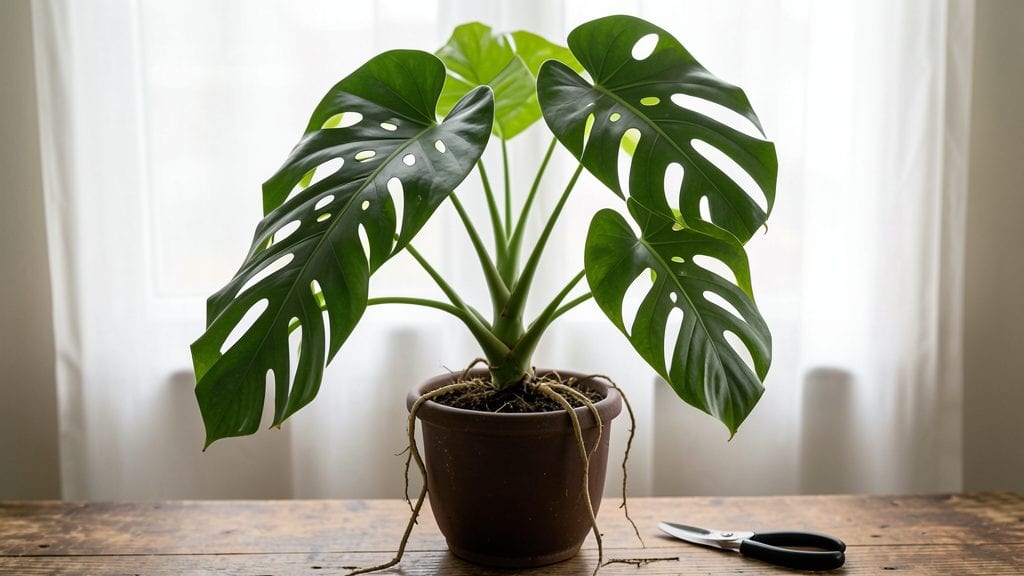
Gardening tropical plants means bringing a slice of paradise into your home—but it takes more than just good intentions to keep them thriving.
Picture this: your ferns are crisping at the edges, your calatheas are throwing up brown spots, and your peace lily’s leaves are curling like they’re hiding from the dry air. That’s the reality when humidity levels drop below what these plants crave.
The good news? With the right varieties and a few simple adjustments, you can turn your space into a thriving jungle retreat.
Most tropical plants hail from regions where the air feels thick with moisture, and recreating those conditions indoors is the key to their success. Whether you’re dealing with dwarf palms or sprawling philodendrons, understanding their needs—from soil to sunlight—makes all the difference.
Below, I’ll walk you through the easiest humidity-loving species, how to mimic their natural habitat, and the common pitfalls that even experienced gardeners fall into.
Ready to turn your home into a lush oasis? Let’s start with the plants that’ll reward you with vibrant growth—and minimal drama.
Best humidity-loving tropical plants for indoor gardening success
Transforming your home into a tropical paradise starts with selecting the right humidity-loving tropical plants. These varieties thrive in the cozy, moist environments we often create indoors, making them perfect for bringing a piece of the jungle inside.
The key is choosing plants that not only love humidity but also adapt well to indoor light conditions and temperature fluctuations. From lush ferns to vibrant calatheas, these tropical beauties will reward you with year-round greenery and striking foliage.
When selecting tropical plants for your indoor garden, focus on varieties that naturally flourish in high-humidity environments. These plants often hail from rainforests or swampy regions, where moisture levels stay consistently high.
Look for plants with broad leaves, as they typically have higher water demands and benefit from increased humidity. Additionally, consider the light requirements of each plant—most tropicals prefer bright, indirect light, which mimics their natural understory habitats.
Here’s a curated list of the top 10 humidity-loving tropical plants that will thrive in your indoor space, along with their care requirements and visual identifiers to help you choose the perfect additions for your collection.
| Plant Name | Humidity Needs | Light Requirements | Watering Needs | Mature Size | Visual Identifier |
|---|---|---|---|---|---|
| Philodendron | 60-80% | Bright, indirect light | Keep soil moist | 2-10 ft (trailing) | Heart-shaped leaves, glossy |
| Calathea | 50-70% | Low to medium light | Keep soil consistently moist | 1-3 ft tall | Patterned, vibrant foliage |
| Fiddle Leaf Fig | 40-60% | Bright, indirect light | Water when top inch dry | 6-10 ft tall | Large, violin-shaped leaves |
| Bird of Paradise | 50-70% | Bright, direct light | Water thoroughly, let dry | 4-6 ft tall | Striking orange and blue flowers |
| Peace Lily | 50-70% | Low to medium light | Water when drooping | 2-4 ft tall | White, waxy blooms |
| Pothos | 40-60% | Low to bright light | Water when dry | 6-10 ft (trailing) | Heart-shaped, variegated leaves |
| Spider Plant | 40-50% |
How to create the perfect humidity environment for tropical plantsTropical plants thrive when humidity levels hover between 60% and 80%—a far cry from the 30-50% most homes naturally maintain. Without proper humidity, their leaves crisp, growth stalls, and pests like spider mites move in. The good news? Creating a jungle-like environment indoors is simpler than you think, and it doesn’t require a fancy setup. Whether you’re dealing with a fussy fern or a pickier philodendron, these methods will keep your tropical plants happy year-round. Start by identifying the most humid spots in your home—typically bathrooms, kitchens, or near windows with indirect light. These areas naturally retain moisture longer, making them ideal for grouping tropical plants. For spaces with dry air (like bedrooms with forced-air heating), you’ll need a more strategic approach. The key is combining passive humidity boosters with occasional active interventions to mimic their natural habitat. 1
Misting Technique: Lightly mist leaves 2-3 times daily using room-temperature water. Avoid over-misting—damp leaves + poor airflow = fungal risks. Use a spray bottle with a fine mist setting for delicate varieties like calatheas or maidenhair ferns.
2
Pebble Trays: Place pots on trays filled with pebbles and water (pebbles elevate roots to prevent rot). The evaporating water increases local humidity. Ideal for small to medium-sized plants like pothos or bird-of-paradise. Refill trays every 2-3 days to avoid stagnant water.
3
Humidifiers: For large collections or dry climates, use a cool-mist humidifier near plants. Aim for 60-70% humidity and place it 3-6 feet away to avoid leaf burn. Models with humidistats (like the Levoit Classic 300S) auto-adjust, saving you time.
4
DIY Greenhouse: Enclose plants in a clear plastic tent (use large bags or repurpose a fish tank cover). Add a small fan for airflow and monitor temps—above 85°F can scorch leaves. Perfect for propagating cuttings or reviving stressed plants like monstera deliciosa.
5
Grouping Plants: Cluster 3-5 tropical plants together to create a microclimate. Transpiration (water vapor from leaves) naturally raises humidity. Pair water-loving plants like peace lilies with drought-tolerant tropicals (e.g., snake plants) for balance.
For large tropicals like rubber plants or palms, combine methods for best results. Place a pebble tray under the pot while using a humidifier nearby. In winter, when indoor air dries out, increase misting to daily and add a humidifier on low settings. Pro tip: Rotate plants weekly so all sides get even humidity exposure—this prevents one-sided browning on leaves. Monitor your plants’ response to adjustments. Healthy tropical leaves should feel slightly damp to the touch, not sticky or crispy. If you notice yellowing edges or drooping, it’s often a sign of low humidity. Conversely, mold on soil or black spots mean you’re overdoing it. The goal is consistency—tropical plants reward steady care with lush, vibrant growth. Don’t let dry air kill your jungle vibes! With these low-cost, high-impact methods, your tropical plants will thrive year-round—no greenhouse required. Start with one technique, observe how your plants respond, and gradually layer in more solutions for the perfect humidity haven. 🌿💧 |