Shrubs
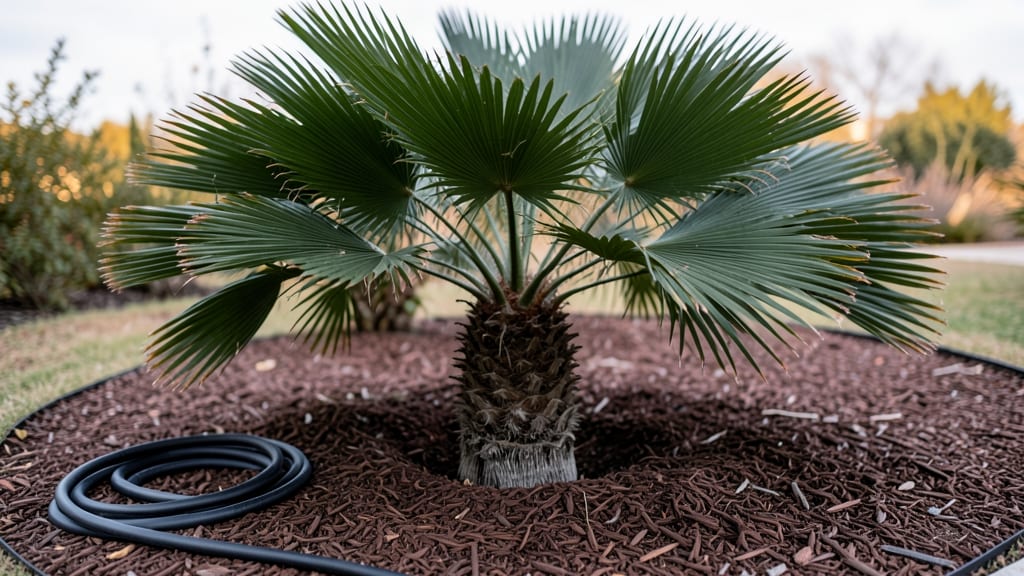
Florida gardening zones range from 8a to 11, with most regions falling between 9a and 10a due to the state's subtropical and tropical climates, affecting which shrubs and plants thrive year-round.
Understanding Florida's gardening zones is key to selecting the right plants for your landscape. The state's warm climate means most areas fall into zones 9a-10a, where frost is rare but heat and humidity demand specific shrub choices.
Coastal regions like Miami (zone 11) can handle tropical species, while inland areas near Orlando (zone 9b) need slightly more cold tolerance. 🌿 I always recommend checking your exact zone using the USDA Plant Hardiness Zone Map—it’s the best way to avoid costly plant failures.
For example, firebush thrives in zones 9-11 and blooms year-round, while wax myrtle handles both heat and drought. The key is matching your zone to plants that naturally flourish in those conditions—this ensures healthier growth and fewer maintenance headaches.
Let me break down the best options for your specific area in the next section.
💡 In This Article
- Florida Plant Hardiness Zones Explained
- Top Cold-Hardy Shrubs for Florida’s Warmest Zones
Florida plant hardiness zones explained
The USDA Plant Hardiness Zone Map divides Florida into zones 8a through 11 based on average annual minimum temperatures. Zone 8a (northern regions like Jacksonville) experiences lows of 10-15°F, while zone 11 (Miami and Key West) rarely drops below 40°F.
This 30°F temperature difference creates dramatically different growing conditions—plants that thrive in Miami’s tropical heat may struggle in Orlando’s slightly cooler winters. 🌡️ The map accounts for both air temperature and frost frequency, which is critical since even a single frost can devastate tropical plants.
Florida’s subtropical and tropical climates mean most areas have 300-365 frost-free days annually, compared to 150-200 days in northern states. Coastal areas benefit from the ocean’s moderating influence, creating microclimates where temperatures stay milder year-round.
For example, Tampa (zone 9b) averages 20°F warmer winters than Gainesville (zone 8b) just 100 miles north. This coastal effect extends inland up to 30 miles, creating a buffer zone where heat-loving plants can survive slightly cooler inland conditions.
Understanding these zones helps explain why certain shrubs thrive in specific areas. For instance, coontie palm (zone 8-11) handles Florida’s heat but may struggle in zone 8a’s rare frosts, while firebush (zone 9-11) blooms continuously in Miami but may go dormant in Orlando’s cooler winters.
The zone system also predicts growing seasons—coastal areas can plant tropicals year-round, while inland zones 9a-10a have a 3-4 month "cool season" when growth slows. 🌿 This timing affects everything from pruning schedules to fertilizer needs.
Microclimates add another layer of complexity. Urban areas like Miami’s downtown can be 5-10°F warmer than nearby suburbs due to the "heat island" effect, while elevated areas (like the Florida Keys) may experience slightly cooler nights.
Even elevation changes of 100 feet can shift a zone by half a letter—this is why gardeners in the Everglades might plant zone 10 species successfully in zone 9a areas. The key is observing your specific microclimate’s patterns over 3-5 years to refine plant choices.
What most gardeners overlook is how humidity interacts with these zones. Florida’s 70-90% humidity year-round means plants need excellent drainage to prevent root rot—a major issue in zones 10-11 where heavy rains coincide with high temperatures.
Shrubs like wax myrtle (zone 7-10) handle this well, while tropical species often require amended soil. The zone map doesn’t account for humidity, so local plant nurseries become invaluable resources for zone-specific advice. 💧
For practical application, think of zones as a starting point rather than absolute rules. A zone 10a plant might survive in zone 9b with winter protection, while a zone 9a plant could thrive in zone 10a if given afternoon shade.
The secret lies in observing how plants respond to your specific combination of temperature, humidity, and soil conditions—this local knowledge often outweighs the zone map’s generalizations. Start with zone-appropriate plants, then experiment with slightly hardier varieties to expand your landscape’s possibilities.