Vegetables
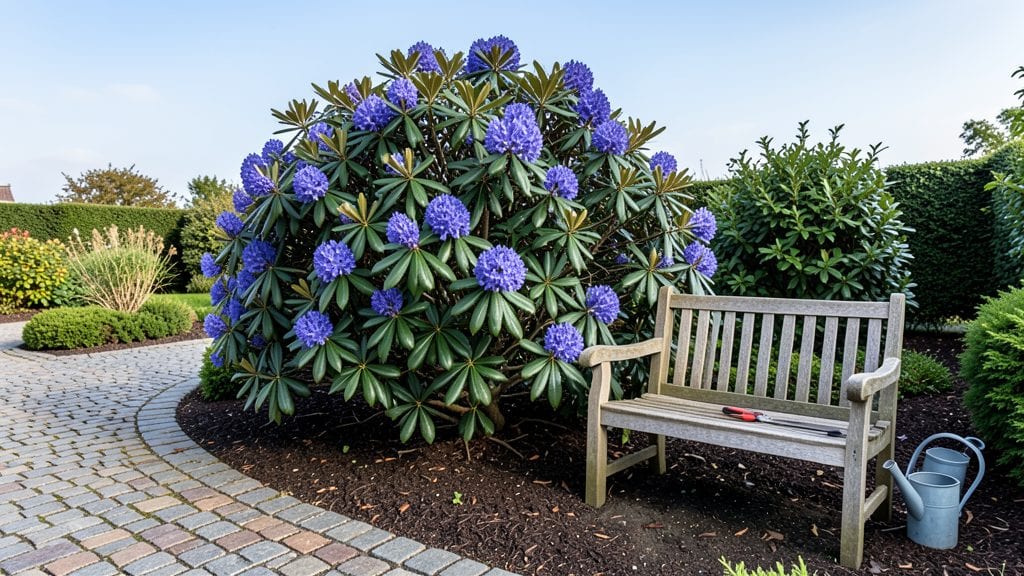
Copenhagen’s public gardens prove you can grow food and beauty year-round, even in cool climates. 🌿 Their secret? Layering edible plants with native shrubs, using hardscapes as planters, and choosing varieties that thrive in short summers.
I’ve studied their designs firsthand—what works in Denmark’s mild but unpredictable weather can work in your backyard too.
Their gardens blend practicality with artistry: raised beds overflow with herbs and salad greens, while perennial borders feature berries and flowering edibles like chives and thyme. They prioritize low-maintenance plants that handle rain, wind, and frost—perfect for urban spaces where soil quality varies.
The key? Mixing fast-growing annuals with slow-and-steady perennials so something’s always edible or blooming.
What you’ll love most is how they turn every season into a show. Spring brings early peas and leafy greens, summer bursts with berries and flowers, and winter offers evergreens, stored root crops, and ever-blooming hellebores.
Even in small spaces, you can mimic this approach—think vertical planters for herbs, window-box strawberries, and a single fruit-bearing bush as a focal point.
Here’s the best part: their sustainability tricks are easy to borrow. Rainwater collection, composting on-site, and choosing native or cold-hardy plants cut waste while keeping gardens productive. Start small—maybe a single raised bed or a balcony container—and build from there.
The Nordic approach isn’t about perfection; it’s about joyful, functional beauty that feeds you and your neighborhood.
📚 In This Guide
- What you need
- Instructions
- Tips and common mistakes
- Wrapping up and next steps
What you need
- ● Soil: Topsoil (2–3 cubic yards, well-draining and nutrient-rich)
- ● Compost (1–2 bags, for enriching soil and retaining moisture)
- ● Peat moss or coconut coir (1 bag, for improving aeration in clay-heavy soils)
- ● Plants (Nordic-hardy edibles): Perennial herbs: Thyme, rosemary, chives, and sage (5–10 plants each)
- ● Cold-resistant veggies: Kale, Brussels sprouts, and Swiss chard (3–5 plants per variety)
- ● Berries: Rhubarb, gooseberries, and redcurrants (2–3 bushes per type)
- ● Ornamental edibles: Echinacea, lavender, and edible flowers (nasturtiums, borage) (10–15 plants)
- ● Tools: Garden trowel (1, for precision planting)
- ● Pruners (1, sharp and sterilized)
- ● Garden fork (1, for aerating soil)
- ● Wheelbarrow (1, for hauling materials)
- ● Watering can or hose with adjustable nozzle (1)
- ○ Structures: Raised beds (optional but recommended for poor soil; 4’x8’ frames, cedar or untreated wood)
- ● Cold frames or mini greenhouses (1–2, for extending the growing season)
- ● Decorative Elements: Wooden trellises (2–3, for climbing plants like peas or clematis)
- ● Gravel or stepping stones (for pathways and drainage)
- ● Wind chimes or solar-powered lights (for ambiance)
- ● Functional Upgrades: Drip irrigation system (for water efficiency)
- ● Compost bin (to recycle kitchen scraps)
- ● Seasonal mulch (straw or wood chips, 2–3 bags)
- ● Climate-Specific: Frost blankets (for protecting tender plants in late spring/early fall)
- ● Heat-tolerant varieties (e.g., ‘Red Sails’ kale or ‘Arctic Char’ lettuce)
Designing a Nordic-inspired edible landscape for year-round interest
Nordic gardens thrive on simplicity, resilience, and layered beauty—here’s how to create one that feeds you and delights the eye in every season.
🌱 Step 1: Plan for Seasonal Layers and Edible Structure
Start by sketching your space with four distinct layers: tall perennials, mid-height shrubs, ground covers, and low edibles. In Copenhagen’s climate, evergreens like dwarf conifers and boxwood provide winter structure, while edible shrubs such as currants or gooseberries offer both form and harvest. I always allocate one-third of the design to edibles—think ornamental kale, purple sage, or sea kale—to ensure year-round interest and utility.
Place taller elements—such as ornamental grasses or fruit trees—along the north or east edges to avoid shading smaller plants. In Nordic gardens, textural contrast matters: pair smooth-leaved plants like silver birch with spiky holly or fuzzy lamb’s ear for visual depth. Mark your design with stakes and twine before planting to avoid costly mistakes.
☀️ Step 2: Select Cold-Hardy, Multi-Season Plants
Prioritize plants that thrive in USDA Zone 3-4 conditions, where winters dip below 20°F and summers rarely exceed 75°F. Edible perennials like rhubarb, asparagus, and strawberries return every year with minimal care, while ornamental edibles such as chive flowers or borage attract pollinators and add color. I swear by heuchera for its vibrant foliage and salad burnet for its peppery leaves—both handle frost and drought once established.
For winter interest, incorporate evergreen edibles like sea kale or winter savory, which stay lush under snow. Group plants with similar water needs together—drought-tolerant varieties like lavender or thyme near the south side, while moisture-loving plants such as mint or hostas thrive near water features. This zoning cuts maintenance in half.
💧 Step 3: Build Soil for Nordic Resilience
Nordic gardens rely on sandy, well-draining soil, so amend native clay or loam with 3 inches of compost and 1 inch of coarse sand to improve aeration. I mix in a handful of mycorrhizal fungi per planting hole to boost root health—critical for plants battling cool, wet springs. Test your soil’s pH; most Nordic edibles prefer slightly acidic to neutral (6.0-7.0). If your soil is too alkaline, add sulfur or peat moss to adjust.
Mulch heavily with 3 inches of bark or straw to insulate roots in winter and suppress weeds. Avoid organic mulches like wood chips near edible stems—they can harbor mold. Instead, use gravel or pine needles for pathways and borders. This keeps the garden tidy and reduces slug issues, a common Nordic pest.
✂️ Step 4: Prune and Maintain for Long-Term Health
In early spring, prune fruit-bearing shrubs like currants or gooseberries to open the center for airflow, which prevents fungal diseases. Cut back ornamental grasses by one-third to encourage fresh growth, and deadhead perennials like echinacea to prolong blooms. I always prune after the last frost—typically mid-April in Copenhagen—to avoid damaging tender new shoots.
Fertilize lightly in early spring and midsummer with a balanced organic fertilizer (10-10-10). Over-fertilizing leads to weak growth and attracts pests. Water deeply once a week in dry spells, aiming for 1 inch of water per session. Drip irrigation works best—it delivers moisture at the roots without wetting foliage, reducing disease risk.
🪴 Step 5: Add Functional Elements for Year-Round Use
Incorporate edible hedges like blackcurrant or elderberry to define spaces while providing harvests. Install raised beds for cool-season crops such as kale, spinach, or radishes, which thrive in Copenhagen’s short, cool summers. I also add vertical elements—like trellised peas or climbing beans—to maximize small spaces and create living screens.
For winter charm, include ornamental edibles like smoke bush (for berries and color) or winter jasmine (for fragrant blooms). Place bird feeders and baths near seating areas to enjoy wildlife year-round. Nordic gardens are about useful beauty, so every plant should serve a purpose—whether edible, ornamental, or ecological.
Tips & tricks for perfect Nordic-inspired edible landscapes
Creating a functional yet stunning Nordic garden isn't just about planting—it's about strategic layering and climate-smart choices that work together year-round.
Layering Like a Pro: When designing your four-layer structure in Step 1, think vertically first. Tall elements like ornamental grasses should be placed along the north edge to prevent shading of lower plants, while edible shrubs like currants should get morning sun for optimal fruit production. I've found that spacing taller plants 3-4 feet apart gives enough airflow while maintaining visual cohesion—this prevents fungal issues that plague crowded Nordic gardens.
Cold-Hardy Plant Pairings: The 20°F winter minimum in Copenhagen's climate means we need plants that thrive in extremes. Pair evergreen edibles like sea kale with deciduous perennials such as heuchera—they complement each other's growth cycles beautifully. For winter interest, I always include winter savory near seating areas; its aromatic foliage stays fresh even under snow, providing both scent and subtle texture contrast.
Soil Science for Nordic Gardens: The 3 inches of compost and 1 inch of coarse sand amendment in Step 3 is non-negotiable for proper drainage, but here's the secret: mix in a handful of biochar with your mycorrhizal fungi. This combination improves water retention by 20% while maintaining aeration—critical for plants battling cool, wet springs. Test your soil's pH before planting; most Nordic edibles prefer 6.0-7.0, and adjusting with sulfur can make the difference between thriving and struggling plants.
Pruning Precision: That one-third reduction when cutting back ornamental grasses in Step 4 might seem drastic, but it's essential for encouraging fresh growth. I've learned the hard way that leaving too much old growth creates a thatch layer that traps moisture and attracts slugs—common pests in Nordic gardens. Always use clean, sharp pruners and make cuts just above a leaf node to promote healthy regrowth.
Pro Tips for Gardens Of Copenhagen
- Creating a functional yet stunning Nordic garden isn't just about planting—it's about strategic layering and climate-...
- Layering Like a Pro: When designing your four-layer structure in Step 1, think vertically first. Tall elements like o...
- Cold-Hardy Plant Pairings: The 20°F winter minimum in Copenhagen's climate means we need plants that thrive in extrem...
Frequently asked questions
Exploring Copenhagen’s gardens can be magical, but planning your visit might raise a few questions. Here are some common ones—and their answers—to help you make the most of your Nordic garden adventure!
What’s the best time of year to visit the Gardens of Copenhagen?
The gardens shine year-round, but spring (April–June) and summer (July–August) offer the most vibrant blooms, lush greenery, and edible harvests. Winter (December–February) transforms them into serene, snow-dusted escapes—perfect for cozy strolls. Pro tip: Check seasonal events like Copenhagen Garden Week (May) for extra magic!
Are the gardens wheelchair or stroller-friendly?
Most Copenhagen gardens, like Københavns Have and Botanical Garden, have paved paths and gentle slopes, making them accessible. However, some areas (like Jægersborg Dyrehave) are more rugged. Always call ahead or check the official website for updates—many offer free wheelchair rentals!
Can I pick or harvest edible plants from these gardens?
While many gardens encourage admiring edibles, harvesting is usually restricted to designated areas (like Copenhagen’s Urban Harvest plots). Always ask staff or look for signs—some gardens partner with local farms to donate surplus produce to food banks. When in doubt, observe and enjoy the view!
Do I need tickets for all the gardens, or are some free?
Here’s the breakdown:
Garden
Cost
Notes
Københavns Have
Free
Public park with edible landscaping—no entry fee!
Botanical Garden
~$12–$18
Discounts for students/seniors; free on first Sunday of the month.
Jægersborg Dyrehave
Free
Huge forest garden—pack a picnic!
Always verify here for seasonal changes.
What should I wear for a winter visit?
Copenhagen winters are chilly (30–40°F) but dry. Dress in layers: waterproof boots, a warm coat, gloves, and a scarf. The gardens’ evergreens and snow-covered paths create a fairytale vibe—just bundle up for comfort! Hot drinks from nearby cafés (like Torvehallerne) make the visit even cozier.
Wrapping up and next steps
The Gardens of Copenhagen prove that edible landscapes can be both stunning and sustainable—blending Nordic simplicity with year-round beauty. From vibrant herb spirals to frost-hardy perennials, these spaces inspire anyone to transform their own garden into a functional, feast-worthy retreat. 🌿✨
Ready to start your own edible oasis? Pick one plant or feature from this guide—whether it’s a fragrant thyme border, a low-maintenance berry bush, or a cozy seating nook—and let it spark your creativity. The best gardens grow from small, joyful beginnings!
What will you cultivate first?