Pests
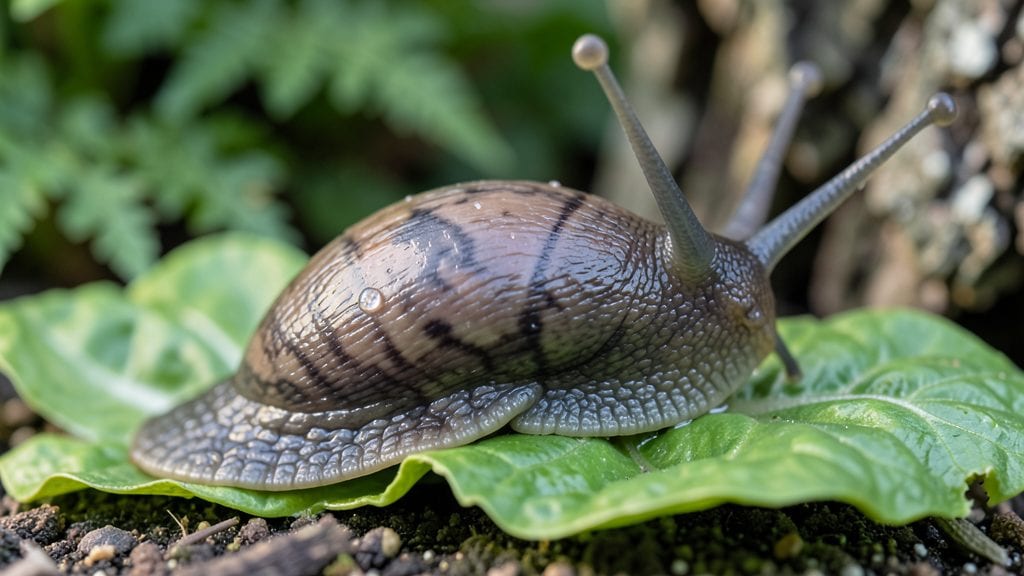
Giant garden slugs can turn your thriving garden into a slime-covered mess overnight. 🌱 I’ve lost count of how many times I’ve woken up to chewed leaves and glistening trails, only to find these nocturnal pests feasting on my hard work.
The good news? You don’t need harsh chemicals to stop them—just the right traps and a little strategy.
These slimy invaders thrive in damp, shaded spots, which is why they target hostas, lettuce, and tender seedlings. The key to control isn’t killing them outright but redirecting them away from your plants.
Beer traps, copper barriers, and simple DIY setups work better than salt or soap—both of which harm beneficial insects and soil life.
With the right approach, you’ll see fewer trails within a week. Your plants will recover faster, and you’ll avoid the guilt of using toxic methods. The best part? These solutions are cheap, reusable, and safe for kids and pets to have around.
Whether you’re dealing with a small patch of damage or a full-blown slug siege, these methods adapt to any garden size. Let’s get your plants back to looking their best without the mess—and without harming the ecosystem that keeps them healthy.
Why Slugs Invade Gardens
Giant garden slugs don’t just wander into your yard by accident—they’re drawn in by a mix of environmental factors, food availability, and even human habits. Understanding these triggers is the first step to stopping their slimy takeover. Here’s why these pests become such a nuisance in your garden.
Slugs thrive in damp conditions because their bodies lose moisture quickly when exposed to dry air. Without a protective slime layer, they’d dehydrate in minutes. Here’s why your garden becomes their perfect hideout:
- Overnight Dew: Slugs are nocturnal and emerge when dew forms. Gardens with dense foliage or poor drainage trap moisture longer, creating ideal slug highways.
- Irrigation Habits: Overwatering or drip irrigation systems can turn soil into a slug buffet. Pro tip: Water early in the day so soil dries by evening.
- Shady, Damp Spots: Slugs avoid direct sunlight. Mulched beds, compost piles, and thick ground covers provide the cool, moist shelter they crave.
Slugs are omnivorous gluttons, and a lush garden is an all-you-can-eat buffet. They’ll devour anything soft, including:
- Tender Young Plants: Seedlings, lettuce, and hostas are their favorite snacks. Slugs prefer plants with high moisture content (like succulents, they’re not).
- Decaying Organic Matter: Compost piles, rotting logs, and fallen fruit are slug magnets. A single pile can host hundreds of eggs.
- Artificial Fertilizers: Over-fertilized soil creates fast-growing, soft plants—perfect slug bait. Pro tip: Use slow-release organic fertilizers to toughen plant defenses.
Slugs are night owls, avoiding predators (birds, frogs) and heat during the day. They seek shelter in:
- Low-Growing Plants: Hostas, impatiens, and ferns provide daytime hiding spots.
- Wooden Structures: Slugs love the underside of boards, pots, and even patio furniture.
- Rock Piles and Debris: A single rock can hide dozens of slugs, allowing them to multiply unnoticed.
Slug populations explode in specific weather conditions:
- Warm, Wet Springs: Ideal for egg-laying. A single slug can lay 500 eggs in a season!
- Mild Winters: In colder climates, slugs die off in frost. But in temperate zones, they hibernate in soil and re-emerge when it warms.
- Rainy Periods: Heavy rain washes eggs into the soil, hatching new generations. Pro tip: Rake leaves and debris after storms to disrupt egg-laying sites.
Sometimes, we accidentally create slug paradises:
- Poor Drainage: Gardens with standing water or clay soil stay soggy, inviting slugs.
- Excessive Mulch: While mulch conserves moisture, too much turns soil into a slug spa. Use 3-inch layers max and opt for gravel or pine straw in problem areas.
- Ignoring Early Signs: Slime trails or chewed leaves are red flags. Waiting to act gives slugs time to establish colonies.
By addressing these key factors—moisture, food, shelter, and seasonal trends—you can make your garden less appealing to slugs. The next step? Discover humane, effective traps to reclaim your green space without harming these slimy invaders.
Humane Ways To Outsmart Slugs
Giant garden slugs may seem like a nuisance, but with the right approach, you can reclaim your garden without harming these slimy visitors. Below are targeted solutions based on common causes—whether it’s their love for moisture, nighttime raids, or overcrowding—and how to address them effectively.
Slugs thrive in damp conditions, so reducing humidity is key. If your garden stays soggy after rain or watering, try these fixes:
- 🔥 Improve Drainage – Amend soil with coarse sand, perlite, or compost to prevent waterlogging.
Raised beds also help. - 🍳 Use Mulch Strategically – Instead of thick organic mulch (which slugs love), opt for gravel, wood chips, or straw in a thin layer. - ⏰ Water in the Morning – Wet foliage at night attracts slugs.
Watering early allows plants to dry faster. - 💡 Pro Tip: Place dry coffee grounds near plants—slugs avoid the caffeine!
If slugs strike after dark, disrupt their feeding patterns with these humane traps:
- 🍺 Beer Traps (Classic but Effective) – Bury a shallow container filled with beer or yeast water (they drown, not poison).
Refresh every 2-3 days. - 🥘 Shallow Dish Traps – Use plastic lids or pie tins filled with soapy water (add a drop of dish soap to break surface tension). Check traps daily. - 🌿 Copper Barriers – Slugs hate copper!
Bend copper tape around planters or raised beds to create a natural electric shock they avoid. - 🔪 Handpick at Night – Grab a flashlight and gloves, then relocate slugs to a dry, sunny spot (they’ll dehydrate). Best done after rain.
If slugs are multiplying, they need alternative housing. Try these deterrents:
- 🌡️ Diatomaceous Earth (Food-Grade Only) – Sprinkle a thin layer around plants. It’s non-toxic to pets/plants but dehydrates slugs. Reapply after rain. - 🎯 Eggshells & Crushed Chalk – Scatter crushed eggshells or garden lime near entry points.
The sharp edges deter them. - ✨ Plant Sacrifices – Grow slug-loving plants (like lettuce or hostas) in a separate container and check it daily for pests. - 💡 Pro Tip: Duckweed or cabbage leaves act as bait—place them near infested areas, then remove slugs in the morning.
Stop slugs before they start with these low-maintenance habits:
- 🌞 Encourage Predators – Attract birds, frogs, and ground beetles with a diverse garden ecosystem (native plants, shallow water sources). - 🍎 Avoid Over-Fertilizing – Too much nitrogen = soft, slug-friendly plants.
Use balanced, slow-release fertilizer. - 🔄 Rotate Crops – Slugs target the same plants repeatedly. Change up your garden layout yearly. - 🌡️ Solarize Soil (For Severe Cases) – Cover infested areas with clear plastic sheeting for 4-6 weeks in hot sun. The heat kills eggs and slugs naturally.
Final Reminder: Slugs are part of the ecosystem—humane control keeps your garden thriving and the food chain intact. Pick 1-2 methods that fit your garden’s needs and adjust as you go!
Frequently asked questions about giant garden slugs
What do giant garden slugs eat in my garden?
These slimy pests feast on tender plant leaves, stems, and even fruits. They especially love hostas, lettuce, marigolds, and seedlings. Unlike snails, they don't have shells, so they can squeeze into tight spaces to munch on your plants overnight.
Are giant garden slugs harmful to my plants?
Yes, they can cause significant damage—especially to young plants and delicate foliage. A single slug can consume half a square foot of leaves per night. While they won't kill mature plants, they'll stunt growth and leave unsightly holes in your garden's beauty.
How do I tell if slugs are damaging my garden?
Look for irregular holes in leaves, silver slime trails on surfaces, and plants that look suddenly wilted or chewed. Unlike insect damage, slug damage has smooth edges—no jagged tears. Check under mulch and large leaves where they hide during the day.
Can I use salt to kill giant garden slugs?
While salt does kill slugs, it's not recommended for gardens. It harms soil microbial life and nearby plants. Instead, use humane methods like beer traps, copper barriers, or diatomaceous earth. These target slugs without damaging your garden's ecosystem.
When is the best time to set up slug traps?
Place traps after dusk when slugs are most active, or set them up before rain when they emerge from hiding. Check traps daily and reset them every 2-3 days. Early morning is the best time to remove any trapped slugs and relocate them far from your garden.